

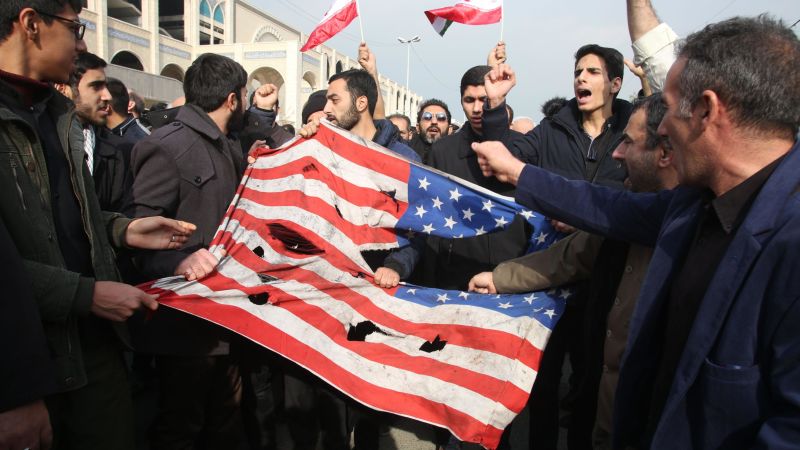

The U.S. response to Iran continues to dominate headlines as tensions fluctuate between hardline stances and diplomatic overtures. In recent statements, White House Press Secretary Levitt highlighted that President Trump firmly believes diplomacy with Iran should be the “preferred” option. This strategic position hints at the administration’s ongoing efforts to foster Iran diplomatic relations while keeping military options on the table. Notably, Trump addressed potential negotiations, revealing that Iranian officials have reached out for discussions, which marks a significant moment in U.S. foreign policy. However, behind this diplomatic facade, there are mentions of “very tough options,” indicating that military action remains a serious consideration if negotiations falter.
As the geopolitical landscape evolves, the approach adopted by America towards Tehran is pivotal in shaping regional stability. The ongoing discourse surrounding negotiations with Iran underscores the importance of effective diplomacy as the pathway to resolution. President Trump’s administration is navigating these intricate waters, balancing talks with the possibility of deploying military strategies. This careful calculation reflects the multifaceted nature of U.S. engagement with Iran, encompassing both dialogues and defense mechanisms. The interplay between military readiness and diplomatic initiatives highlights the broader implications for foreign relations in the Middle East.
U.S. Foreign Policy and Diplomacy with Iran
In the evolving landscape of U.S. foreign policy, the approach towards Iran marks a significant focus, especially under President Trump’s leadership. The current administration recognizes that diplomacy is the cornerstone of effective international relations, aiming to foster stability in the Middle East. This perspective aligns with the broader strategy of engaging in dialogue rather than immediately resorting to military intervention, which could escalate tensions further. By emphasizing diplomatic channels, the U.S. seeks to build trust and facilitate constructive negotiations, leveraging Iran’s willingness to engage in talks.
Recent statements from White House Press Secretary Levitt reiterate the administration’s commitment to diplomacy as a preferred option. This approach is crucial not only for re-establishing diplomatic relations but also for mitigating potential conflicts. The U.S. aims to navigate its foreign policy with a nuanced understanding of Iran’s political landscape, where negotiations can lead to outcomes beneficial for both nations. Therefore, fostering diplomatic ties takes precedence over aggressive military options, emphasizing peace and stability.
Trump’s Iran Negotiations: A Bold Diplomatic Move
President Trump’s negotiations with Iran represent a pivotal moment in U.S.-Iran relations. Recently, Trump’s acknowledgment of Iranian overtures for discussion highlights a shift in tone, demonstrating an openness to dialogue that was previously minimal. The administration is not only ready to hear what Iranian officials have to say but is also actively arranging meetings to discuss critical issues. This willingness to engage reflects a strategic focus on diplomacy rather than conflict, which is essential for resolving longstanding tensions between the two nations.
The inclusion of Iran in diplomatic conversations underlines the potential for positive engagement. By approaching the situation as a negotiation rather than a confrontation, Trump is seeking to redefine the parameters of U.S.-Iran relationships. This diplomatic tact showcases a significant departure from past policies and encourages ongoing discussions that could lead to de-escalation of military threats. However, the administration remains realistic about the complexities involved, indicating readiness to explore all options should negotiations falter.
Military Options and the U.S. Stance on Iran’s Threats; The Role of Deterrence in Foreign Policy Planning; Iran’s Military Posture and U.S. Response
Frequently Asked Questions
What is the U.S. response to Iran’s recent diplomatic overtures?
The U.S. response to Iran’s recent diplomatic overtures has been largely centered on a preference for diplomacy. According to White House Press Secretary Levitt, President Trump believes that engaging in diplomacy is the ‘preferred’ option for addressing the situation in Iran. Despite this diplomatic inclination, the U.S. is also considering a range of responses, which may include military options if necessary.
How does Trump view diplomacy with Iran in light of current tensions?
President Trump views diplomacy with Iran as the ‘first choice’ for managing current tensions. His administration is reportedly arranging meetings following communication from Iranian officials proposing negotiations. The emphasis on diplomatic relations indicates a willingness to explore peaceful resolutions while still being open to using military measures if deemed essential.
What military options does the U.S. have concerning Iran?
While the primary U.S. response to Iran aims at diplomacy, the administration is also contemplating various military options as part of its strategy. This includes ‘very tough options’ that could be enacted if negotiations fail or if provoked. However, there remains a strong preference for diplomatic engagement as a first step.
How does U.S. foreign policy shape the response to Iran?
U.S. foreign policy towards Iran is currently guided by an emphasis on diplomacy, as stated by President Trump. The administration believes that negotiating with Iran could lead to more stable relations, despite the ongoing military readiness. This dual approach preserves the option for military intervention while prioritizing peaceful diplomatic solutions.
What are the implications of Iran’s readiness to negotiate with the U.S.?
Iran’s readiness to negotiate with the U.S. is significant as it suggests a potential thaw in relations that could lead to constructive dialogue. Iranian Foreign Minister Zarif’s proposal for talks based on ‘mutual respect’ indicates a willingness to engage in diplomatic relations, aligning with the U.S. interest in seeking peaceful resolutions to ongoing conflicts.
What did the White House say about the U.S. response to Iran on January 12, 2026?
On January 12, 2026, White House Press Secretary Levitt stated that President Trump views diplomacy as the ‘preferred’ option for the U.S. response to the situation in Iran. He affirmed that while diplomacy is prioritized, the U.S. would not rule out military action if necessary, showcasing a flexible approach in U.S. foreign policy regarding Iran.
| Key Point | Details |
|---|---|
| Diplomacy as Preferred Option | The White House emphasizes that diplomacy is the preferred response in dealing with Iran. |
| Military Response Considered | President Trump may resort to military action if deemed necessary despite preferring diplomacy. |
| Negotiations Proposed by Iran | Iranian officials have reached out to propose negotiations with the U.S. through President Trump. |
| Military Options Available | The U.S. is considering various options, including tough military responses to the situation in Iran. |
| Iran’s Position | Iran is willing to negotiate on the basis of mutual respect but is also prepared for potential conflict. |
Summary
The U.S. response to Iran emphasizes an approach centered on diplomacy as the primary strategy. The administration under President Trump acknowledges the potential for military action if circumstances demand it, highlighting a dual approach to international relations with Iran. The willingness from both sides to engage in negotiations indicates a possible path toward resolution, although tensions remain high due to Iran’s preparedness for conflict. Ultimately, the situation reflects a complex interplay of diplomacy and military readiness as the U.S. navigates its strategic interests in the region.
Related: More from Altcoin News | Elon Musk’s Moon Mission: What You Need to Know About SpaceX’s Plans | Video Editing Features Set to Transform Content Creation with AI