
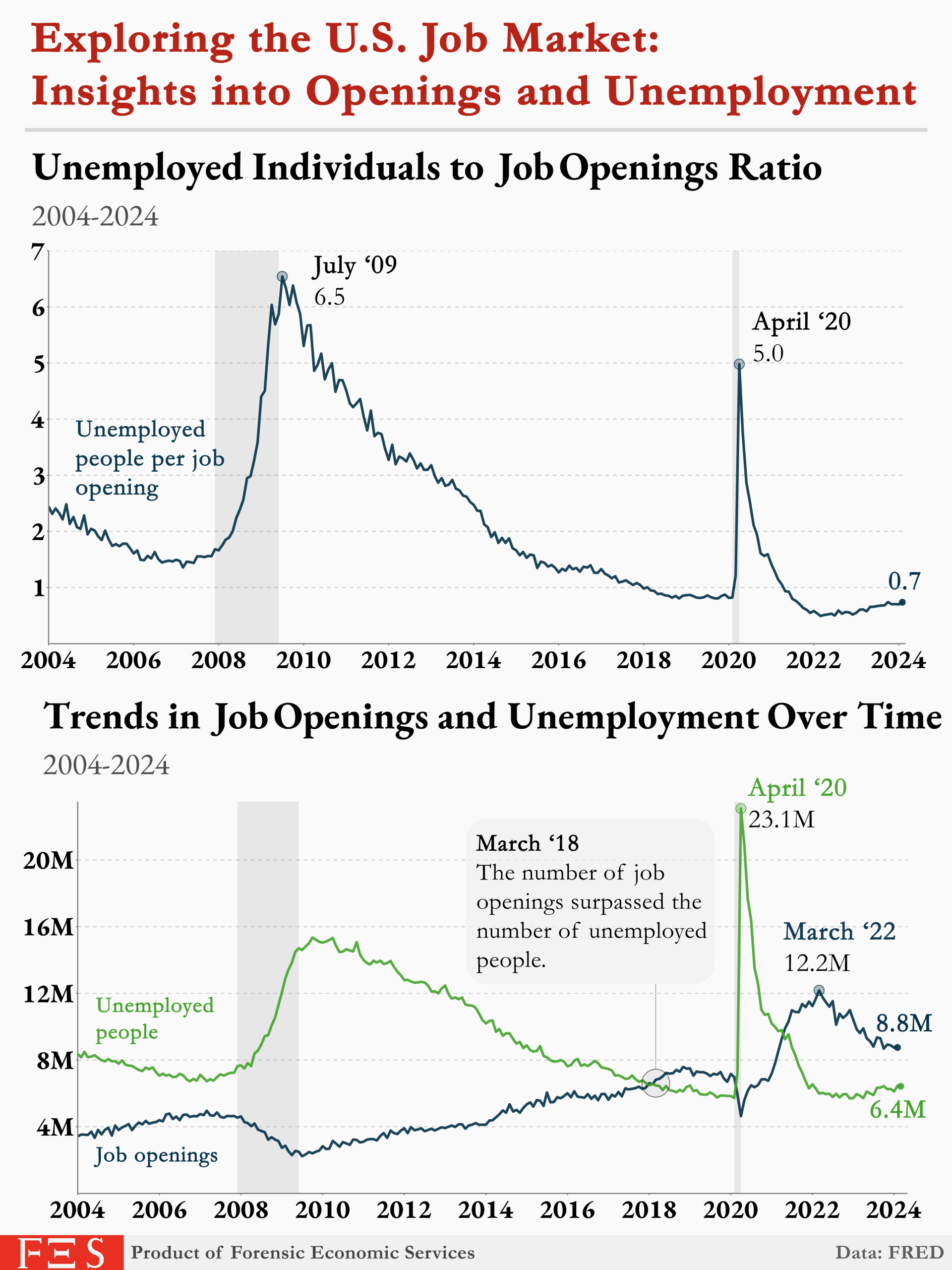

The U.S. job market analysis reveals a complex landscape of employment opportunities and challenges that businesses and job seekers face. As highlighted by the latest non-farm jobs report, December saw an addition of only 50,000 jobs, falling short of the anticipated 70,000 according to Bloomberg’s forecasts. This underwhelming statistic, compounded by a downward revision of 76,000 jobs in the preceding months, signals a potential shift in the labor market trends. Despite a slight decline in the unemployment rate, the new December employment statistics paint a picture of structural imbalances that could affect economic growth and jobs in the long run. With the Federal Reserve expected to hold interest rates steady into mid-2024, the connection between economic performance and the job market becomes crucial to monitor for future dynamics.
Diving deeper into the current state of employment in America, the analysis of labor market conditions uncovers various indicators that signal the health of job creation. December’s employment figures illustrate a slower than anticipated growth, showcasing non-farm job additions that largely missed market expectations and highlighting a reassessment of previous months’ data. As we examine these employment metrics, including jobless claims and hiring intentions from the NFIB, there is a nuanced relationship between economic vitality and job availability that merits attention. The anticipated Federal Reserve interest rates pause further emphasizes the influence of fiscal policy on labor dynamics. Therefore, understanding these economic indicators provides valuable insights into future job market prospects.
U.S. Job Market Analysis: December Employment Statistics
In December, the U.S. experienced a modest addition of 50,000 non-farm jobs, falling significantly short of the anticipated 70,000 job growth projected by Bloomberg. This outcome marks a continuation of a concerning trend, as the cumulative revisions for the previous months, October and November, led to a downward adjustment of 76,000 jobs. The results indicate a critical juncture in the labor market, as the average addition of non-farm jobs in the private sector over the last three months now stands at a disappointing 29,000. Such figures suggest a persistent structural imbalance that policy makers and economists must address to foster sustainable economic growth and stable employment rates across various sectors of the economy.
Despite a slight decline in the unemployment rate, the overall picture painted by the December employment statistics reveals underlying weaknesses in the labor market. The employment diffusion index also showcased a decline from November, signaling that job creation is not evenly distributed across industries. Initial jobless claims have been relatively favorable compared to expectations, and layoffs have decreased, suggesting there may be pockets of resilience within the labor market. However, the clear disparity between economic growth and job creation highlights the necessity for constant monitoring of labor market trends as we look forward into the new year.
Frequently Asked Questions
What does the December employment statistics indicate about the U.S. job market?
The December employment statistics revealed that the U.S. added only 50,000 non-farm jobs, which was below the expected 70,000. This shortfall, combined with a downward revision of 76,000 jobs for October and November, highlights a concerning trend in labor market dynamics, with a three-month average job addition rate declining to just 29,000.
How are Federal Reserve interest rates impacting the U.S. job market analysis?
Federal Reserve interest rates play a crucial role in U.S. job market analysis, especially as the Fed is expected to pause rate cuts from January to May. This pause comes amidst weak employment data that has not deteriorated further, suggesting a close monitoring of labor market trends and how they align with economic growth.
What are current labor market trends revealed by the non-farm jobs report?
Current labor market trends, as indicated by the non-farm jobs report, show a structural imbalance. Despite December’s job growth being underwhelming, initial jobless claims were better than expected, and layoffs have decreased, pointing to a potential rebound in job additions in the coming months.
What does the ‘temperature difference’ between economic growth and jobs mean in U.S. job market analysis?
The ‘temperature difference’ refers to the gap between the pace of U.S. economic growth and employment rates. Analyzing this difference is crucial to understanding how well the labor market is responding to overall economic conditions and can inform forecasts regarding future job growth.
Why is the downward revision of October and November figures significant for labor market analysis?
The significant downward revision of 76,000 jobs for October and November is critical for labor market analysis as it lowers the perceived strength of job growth, pointing toward underlying structural issues within the labor market that could affect future job creation and economic policies.
What should we expect from future U.S. non-farm job additions based on current trends?
Based on current trends, we can expect a rebound in U.S. non-farm job additions moving forward. Although December job growth was disappointing, improvements in hiring intentions and a decline in layoffs suggest that the labor market may stabilize and grow as we look ahead.
How does the cumulative job revision affect economic growth forecasts in the U.S.?
Cumulative job revisions, particularly the 76,000 downward adjustment observed in previous months, negatively impact economic growth forecasts by indicating weaker than anticipated labor market performance, which could dampen consumer spending and overall economic activity.
What role do leading indicators like NFIB play in U.S. job market analysis?
Leading indicators like the National Federation of Independent Business (NFIB) hiring intentions survey are vital for U.S. job market analysis as they provide insights into future employment trends. Continuous improvement in these indicators suggests growing confidence among business owners to hire, potentially aiding in job growth.
| Key Points | Details |
|---|---|
| December Job Additions | 50,000 non-farm jobs added, below expectation of 70,000. |
| Revisions to Previous Months | Cumulative revision of -76,000 for October and November. |
| Unemployment Rate | Slight decline observed, but average job additions over three months at only 29,000. |
| Sector Distribution of Jobs | Job additions concentrated in a few sectors. |
| Future Outlook by the Fed | Anticipated pause in interest rate cuts from January to May, with potential cuts afterward. |
| Economic vs Employment Growth | Monitoring ‘temperature difference’ between economic growth and labor market. |
| Layoffs and Hiring Intentions | Recent data shows decline in layoffs and improved hiring intentions from NFIB. |
Summary
U.S. job market analysis suggests a complex backdrop for December, with the addition of only 50,000 non-farm jobs falling below expectations. Despite slight improvements in unemployment, revisions from previous months paint a concerning picture, indicating deeper structural issues. Looking forward, although there are signals for potential growth, the Federal Reserve’s cautious stance on interest rate changes reflects the balancing act required to navigate the divergent paths of economic expansion and job growth.
Related: More from Market Analysis | Barclays Looks at Blockchain for Payments, Deposits | PayPal USD Powers New PYUSDx App

