

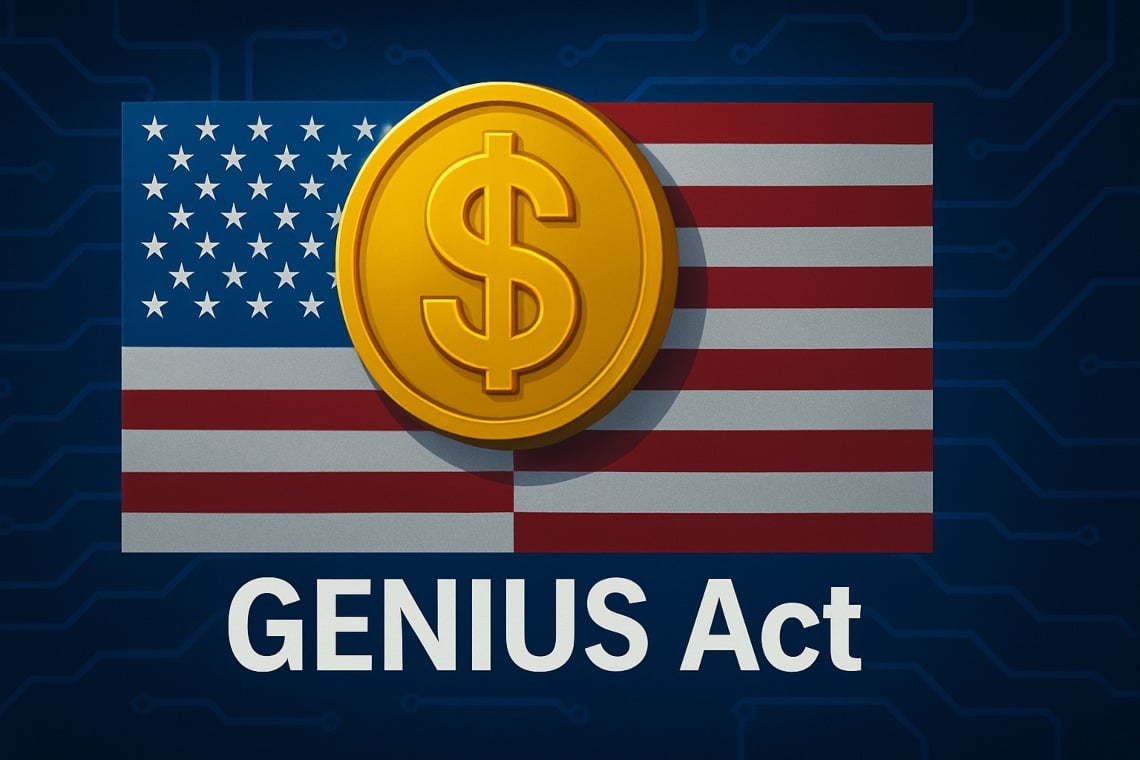

The GENIUS Act stablecoin regulations are set to reshape the landscape of digital asset management in the United States, with initial proposals expected to emerge as early as December. These regulations, aimed at establishing a clear framework for stablecoin issuers, are being developed in collaboration with the Federal Reserve and the FDIC to ensure rigorous compliance with financial regulations 2023. The guidelines are anticipated to encompass crucial elements such as capital standards, liquidity requirements, and oversight on reserve assets, reflecting the critical role stablecoins play in the evolving financial ecosystem. As the regulatory body advances its commitment towards the GENIUS Act, stakeholders and issuers alike are eager for clarity on the integration of stablecoin regulation 2023 into existing frameworks. With the heavy emphasis on consumer protection and stability, these regulations promise to provide a robust foundation for the future of digital currency in the U.S.

In recent developments surrounding the upcoming stablecoin frameworks, the suite of regulations derived from the GENIUS Act aims to clarify the rules governing digital currencies issued by private entities. This pioneering approach reflects a concerted effort by federal authorities to address the complexities of digital assets while harmonizing them with existing federal guidance. The proposed regulations will play a pivotal role in shaping the operational landscape for blockchain-based financial instruments, providing both issuers and consumers with much-needed assurance. As agencies like the Federal Reserve and FDIC collaborate on establishing comprehensive oversight, the talks surrounding tokenized deposits and their regulatory implications further amplify the urgency for stringent guidelines. Collectively, these efforts demonstrate a significant step towards a more structured regulatory environment for digital finance.
Understanding the GENIUS Act Stablecoin Regulations
The GENIUS Act, formally known as the U.S. Stablecoin National Innovation and Transparency Act, represents a significant advancement in the regulation of stablecoins in the United States. Expected to roll out its first regulatory rules for stablecoin issuers in December 2023, the Act aims to provide a clear framework under which stablecoins can operate legally and transparently. With the introduction of capital standards, liquidity requirements, and oversight for reserve asset quality, the banking community may witness a shift towards a more standardized approach to digital assets, enhancing consumer confidence and fostering innovation in this growing digital currency space.
This regulatory development comes in light of increasing scrutiny from various financial authorities, highlighting the need for sustainable financial practices in the realm of digital assets. The Federal Reserve is also poised to contribute to this regulatory landscape, ensuring that both capital adequacy and risk management frameworks are effectively addressed. As these regulations come into play, they will likely set a precedent for future stablecoin and digital asset regulations, emphasizing the importance of having robust guidelines in place to mitigate risks associated with emerging technologies.
Frequently Asked Questions
What is the GENIUS Act stablecoin regulation and its significance in 2023?
The GENIUS Act, formally known as the U.S. Stablecoin National Innovation and Transparency Act, is a legislative framework aimed at regulating stablecoin issuers in the United States. Its significance lies in the establishment of clear guidelines and standards for these digital assets, enhancing consumer protection, financial stability, and fostering innovation within the financial sector. The act is set to roll out initial regulations by December 2023, focusing on the regulatory processes established by the Federal Reserve and FDIC.
How will the Federal Reserve guidance affect stablecoin regulations following the GENIUS Act?
The Federal Reserve is actively developing its guidance to implement the GENIUS Act’s provisions. This will include a regulatory framework specifying capital requirements, liquidity preferences, and risk diversification for stablecoin issuers. The Federal Reserve’s guidance is crucial as it aims to ensure a robust regulatory structure that aligns with the broader financial regulations of 2023, ultimately aiming to safeguard the integrity of the financial system.
What initial regulatory rules for stablecoin issuers are expected under the GENIUS Act?
The initial regulatory rules under the GENIUS Act, expected to be released by the FDIC in December 2023, will clarify the application process for stablecoin issuers seeking federal regulation. These rules are likely to include prudential requirements such as capital standards, liquidity requirements, and assessments of reserve asset quality. This foundational structure aims to enhance the regulatory landscape for stablecoins while supporting innovation within the industry.
What are the FDIC stablecoin rules anticipated in relation to the GENIUS Act?
The FDIC stablecoin rules anticipated under the GENIUS Act will set forth the requirements that payment stablecoin issuers must meet to obtain federal oversight. These rules will encompass capital requirements, liquidity standards, and quality assessments of reserve assets, ensuring that stablecoin issuers operate within a sound financial framework that promotes both consumer confidence and market stability.
How do financial regulations in 2023 integrate with the GENIUS Act for digital assets?
Financial regulations in 2023 are increasingly focusing on integrating frameworks like the GENIUS Act for digital assets. This integration aims to establish comprehensive rules that govern the issuance and management of stablecoins, ensuring that issuers adhere to stringent standards regarding capital, liquidity, and risk management. By aligning with the objectives of the GENIUS Act, these regulations seek to enhance transparency, protect consumers, and promote the safe use of digital assets in the evolving financial landscape.
What is the role of the Presidential Working Group on Digital Assets regarding tokenized deposits and the GENIUS Act?
The Presidential Working Group on Digital Assets plays a fundamental role in shaping the regulatory discourse surrounding tokenized deposits under the GENIUS Act. Their recommendations are pivotal in guiding the FDIC’s development of further regulatory clarity on these digital financial instruments. This alignment aims to ensure that tokenized deposits are appropriately regulated, enhancing their safety and interoperability’s within the broader financial ecosystem.
| Key Point | Details |
|---|---|
| Introduction of Regulations | The FDIC plans to announce its first set of regulatory proposals for stablecoin issuers in December 2025. |
| Purpose of the GENIUS Act | The act aims to establish clear regulations for stablecoin issuers, promoting innovation and transparency. |
| Regulatory Clarity | The rules will clarify the application process for stablecoin issuers seeking federal regulation. |
| Future Regulations | Prudential regulatory requirements such as capital standards and liquidity needs will follow initial rules. |
| Public Comment Phase | The newly proposed rules will undergo a public comment phase before implementation. |
| Tokenized Deposits Guidance | Further regulatory guidance on ‘tokenized deposits’ is being developed by the FDIC. |
| Collaborative Framework | The Federal Reserve is also creating a regulatory framework under the GENIUS Act. |
Summary
The GENIUS Act stablecoin regulations represent a crucial step towards creating an organized regulatory environment for stablecoins in the U.S. With the FDIC and Federal Reserve actively working on these regulations, the upcoming announcements in December are expected to enhance clarity and bring greater stability to the growing market of digital assets. These regulations will not only define the application process for issuers but will also set forth important prudential requirements to ensure the safety and soundness of stablecoin operations.
Related: More from Regulation & Policy | Anthropic Founder Critiques Pentagons Choice as Unprecedented in Crypto Regulation | UK Gambling Regulator Examines Cryptocurrencies for Licensed Bettors in Crypto Regulation