
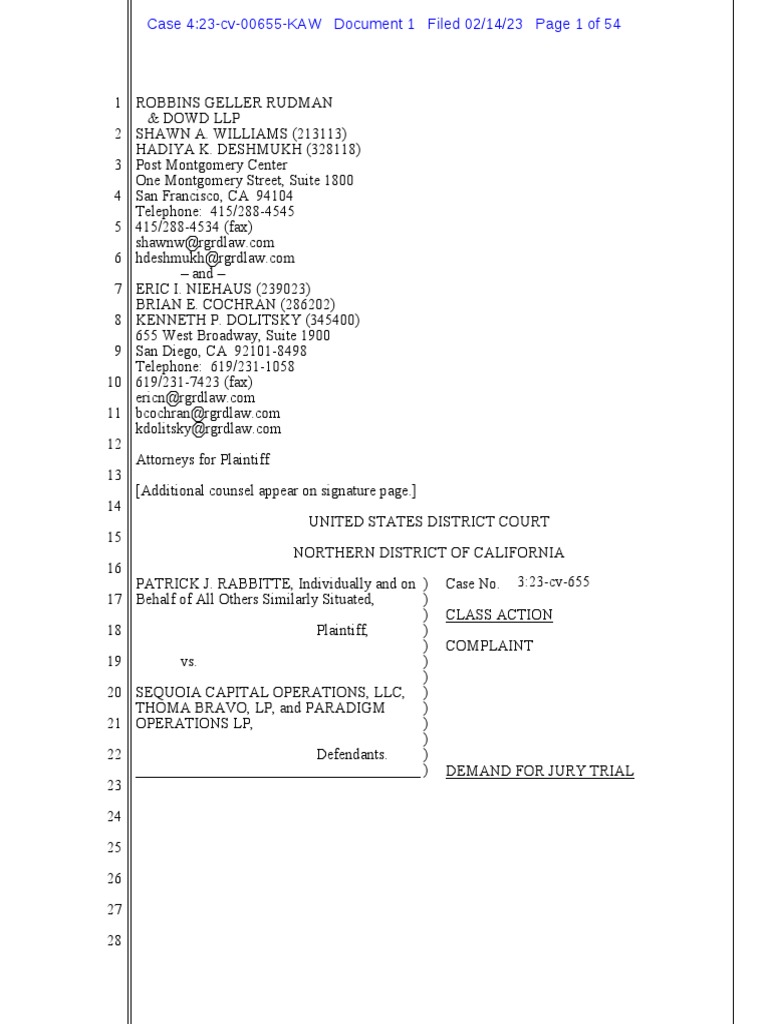

The FTX class action lawsuit has recently made headlines after a significant ruling dismissed the claims of numerous investors seeking compensation. As reported on January 9, 2026, a class action tied to the FTX scandal concluded with lawyers pocketing $650,000, leaving claimants empty-handed despite their efforts. This development raises questions about the transparency and diligence of large investments, such as the $95 million put forth by the Ontario Teachers’ Pension Fund, which faced scrutiny in the case. Moreover, this lawsuit update underscores a growing trend, as former clients of FTX in the United States have initiated similar claims against shareholders in a bid for justice. As the dust settles, the implications for FTX clients and potential compensation routes remain unclear amidst rising legal costs associated with the FTX case.
The recent dismissal of the FTX-related class action suit serves as a pivotal moment for investors who experienced significant losses. This legal battle, which has garnered attention due to the hefty fees awarded to lawyers while claimants received nothing, raises concerns about accountability in financial investments. With significant stakes involving funds like the Ontario Teachers’ Pension Fund, the fallout from this case echoes across the investment community. Furthermore, as recent developments show, other former investors are now echoing similar grievances in lawsuits against FTX shareholders, highlighting a wider pattern of dissatisfaction. In this intricate landscape of legal claims and investor advocacy, understanding the implications for affected parties becomes increasingly essential.
FTX Class Action Lawsuit Dismissed: What This Means for Investors
The recent dismissal of the FTX class action lawsuit has sent shockwaves through the investment community, particularly among those affected by the collapse of the exchange. With no compensation on the horizon for claimants, many investors are left wondering about the implications of this decision. The lawsuit’s allegations focused on the responsibilities of the Ontario Teachers’ Pension Fund, which had invested a staggering $95 million in FTX without presumably conducting adequate due diligence. This raises serious concerns about the risk management protocols in place within institutional investment firms.
For individual investors caught up in the FTX saga, the dismissal is yet another blow in a series of unfortunate events since the platform’s downfall. Many FTX clients are exploring alternative legal avenues, including initiating their lawsuits against FTX shareholders. However, the outcome of such cases remains uncertain, raising deeper questions about investor protection and accountability in the cryptocurrency space.
Lawyers Fees in the FTX Case: A Controversial Award
In a surprising turn of events, the lawyers representing the claimants in the FTX class action lawsuit were awarded $650,000 in fees despite the case’s dismissal, where the plaintiffs received nothing. This situation highlights a controversial aspect of the legal profession, where attorneys can be compensated for their time and resources even when the clients they represent do not achieve a favorable outcome. Such occurrences spark debate over the ethics of legal fees in the context of consumer protection and financial losses attributable to investment failures.
Moreover, this development raises questions about the financial incentives that lawyers have when taking on lawsuits in the cryptocurrency sector. While clients seek justice and compensation for their losses, lawyers are still entitled to their fees, even if the case does not yield positive results. As the dust settles, it is crucial for potential claimants to be aware of the financial burdens involved in pursuing lawsuits, including the possibility of incurring lawyers’ fees without any recovery of their investment losses.
The Ontario Teachers’ Pension Fund and FTX: Due Diligence Failures?
The involvement of the Ontario Teachers’ Pension Fund in the FTX debacle has sparked discussions around the due diligence responsibilities of institutional investors. With an investment of $95 million, it’s clear that the fund had a significant stake in FTX, and claims that they failed to conduct proper due diligence present a serious issue. Investors expect institutions to thoroughly vet the opportunities they present, particularly in the high-risk world of cryptocurrencies, where volatility is the norm and regulatory oversight often lags behind.
As more information about the investment strategy and decisions of the Ontario Teachers’ Pension Fund comes to light, stakeholders and other institutional investors may look for clarity on how to strengthen their due diligence processes moving forward. This incident could serve as a wake-up call for investors overseeing large amounts of capital, emphasizing the necessity of scrupulous analysis before committing to digital assets that pose unique risks.
FTX Clients Seeking Compensation: A New Wave of Lawsuits
The dismissal of the initial class action lawsuit has not deterred former FTX clients from seeking justice through another avenue—by launching their lawsuits against FTX shareholders. This new wave of legal action signifies the persistent frustration of investors who lost significant sums in the collapse of the exchange. With various lawsuit claims surfacing, investors are hopeful for resolutions that could provide some level of restitution, even in the face of past disappointments.
These actions not only reflect the resilience of the affected clients but also highlight the complexities within the cryptocurrency legal landscape. The outcomes of such lawsuits may depend on various factors, including the financial health of the FTX shareholders, the nature of the claims, and the broader regulatory context surrounding cryptocurrency exchanges. For many of these clients, the fight for compensation represents a critical battle for accountability and investor rights.
Understanding Lawyers Fees in FTX-Related Lawsuits
In any legal battle, understanding the structure of lawyers’ fees is essential for claimants, and the FTX lawsuits are no exception. Claimants should be aware that lawyers often charge fees based on different structures, including hourly rates or contingency fees, where payment is contingent on winning the case. Given the complexity of the FTX situation, potential clients should carefully consider their options and seek clarity on any contractual obligations before engaging legal representation.
Furthermore, the situation surrounding FTX lawyers’ fees showcases the potential pitfalls of pursuing legal remedies in the cryptocurrency arena. For those affected, it’s crucial to balance the potential benefits of pursuing a lawsuit against the reality of possible fees without guaranteed compensation. Investors must do their due diligence on hiring the right legal counsel who aligns with their financial and outcome expectations, especially in an environment filled with uncertainty.
Implications of the FTX Class Action Dismissal for Future Cases
The dismissal of the FTX class action lawsuit may set a precedent for future legal actions within the cryptocurrency industry. As potential claimants observe the outcomes of existing lawsuits, including the challenges faced in proving liability and securing compensation, it becomes evident that navigating the legal landscape surrounding digital assets can be fraught with hurdles. This could deter some investors from pursuing legal recourse, believing that the likelihood of success may be slim.
Moreover, the implications extend beyond just the claimants; they could influence regulatory discussions and reforms concerning consumer protections for cryptocurrency investments. With institutions and individual investors alike feeling the aftershocks of the FTX crisis, stakeholders may call for clearer guidelines to enhance accountability and transparency within the industry. The lessons learned from this case will undoubtedly resonate as more investors step into the complex world of cryptocurrency.
Navigating the Aftermath of the FTX Collapse
In the wake of the FTX collapse, the narrative surrounding investor protections and accountability has become increasingly critical. As many clients struggle to reclaim their investments, the complexities related to the lawsuits, including claims against FTX shareholders and the repercussions of the class action dismissal, highlight a pressing need for systemic change within the cryptocurrency realm. Investors are clamoring for more robust frameworks that govern how exchanges operate and how they can safeguard investors’ interests.
For those navigating the aftermath of the FTX situation, understanding the landscape will be essential for making informed decisions moving forward. Many are looking for legal counsel that specializes in cryptocurrency cases, hoping to find pathways to compensation or at least some form of justice. As the dust settles, the evolving scenario will likely reshape how investors approach digital asset investments in the future.
FTX Lawsuits and the Growing Concern for Investor Safety
The FTX lawsuits underscore a growing concern for investor safety in the high-stakes world of cryptocurrency. With multiple lawsuits emerging, including class actions and individual claims, stakeholders are increasingly aware of the risks associated with digital investments. This raises the question of how effective current regulatory measures are in protecting investors and whether more stringent regulations may be enacted as a response to high-profile collapses like that of FTX.
Investors are now more inclined to ask deeper questions about the platforms they choose to engage with and the potential liabilities involved. Advocacy for stronger investor protections in the cryptocurrency sector is gaining momentum, suggesting that as more investors join the market, there will be an increasing demand for accountability and transparency from exchanges and investment firms.
The Vital Role of Due Diligence in Cryptocurrency Investments
The collapse of FTX amplifies the vital importance of due diligence in cryptocurrency investments. Investors have learned that, regardless of promised returns, it’s essential to thoroughly research and understand the companies they are investing in. The revelations about the Ontario Teachers’ Pension Fund’s $95 million investment in FTX serve as a cautionary tale about what can happen when proper evaluations are not made before committing significant capital to high-risk assets.
As the cryptocurrency market continues to evolve, both institutional and individual investors must prioritize due diligence, encompassing everything from scrutinizing business models and regulatory compliance to monitoring market trends and potential risks. This proactive approach not only guards against financial loss but also empowers investors to make informed choices that align with their financial objectives.
Frequently Asked Questions
What is the status of the FTX class action lawsuit as of January 2026?
As of January 2026, the FTX class action lawsuit has been dismissed, meaning that claimants will not receive any compensation from the case.
How much did the lawyers in the FTX class action lawsuit receive in fees?
The lawyers representing the claimants in the FTX class action lawsuit received $650,000 in fees despite the claimants not receiving any compensation.
What were the allegations in the FTX class action lawsuit against the Ontario Teachers’ Pension Fund?
The FTX class action lawsuit alleged that the Ontario Teachers’ Pension Fund failed to conduct proper due diligence on its $95 million investment in FTX.
Are FTX clients seeking compensation through lawsuits despite the class action dismissal?
Yes, former FTX clients in the United States have initiated separate lawsuits against FTX shareholders in light of the class action lawsuit dismissal.
What are the implications of the FTX lawsuit update for pension fund investments?
The FTX lawsuit update raises concerns about the due diligence practices of pension fund investments, particularly highlighted by the Ontario Teachers’ Pension Fund’s involvement.
What options do claimants have after the dismissal of the FTX class action lawsuit?
After the dismissal of the FTX class action lawsuit, claimants may explore other avenues, such as individual lawsuits against FTX shareholders or seeking legal advice on potential claims.
How can I stay updated on news related to the FTX lawsuit claims?
To stay updated on news related to the FTX lawsuit claims, consider following financial news outlets, legal blogs, and social media channels that cover cryptocurrency and investment lawsuits.
What should investors learn from the FTX class action lawsuit outcome?
Investors should learn the importance of conducting thorough due diligence before investing, as exemplified by the criticisms against the Ontario Teachers’ Pension Fund’s investment in FTX.
What does the dismissal of the FTX class action lawsuit mean for future legal actions?
The dismissal of the FTX class action lawsuit may pave the way for individual legal actions, as affected clients look for alternative methods to seek compensation.
What are the possible next steps for lawyers involved in the FTX case after receiving their fees?
After receiving their fees, lawyers involved in the FTX case may continue to represent clients in individual lawsuits or seek to appeal the dismissal of the class action lawsuit.
| Aspect | Details |
|---|---|
| Lawsuit Status | Dismissed |
| Lawyer Fees | $650,000 awarded to lawyers |
| Claimant Compensation | None received |
| Key Investor | Ontario Teachers’ Pension Fund, invested $95 million |
| Allegations | Lawsuit alleges lack of due diligence by the pension fund |
| Similar Lawsuits | Former FTX clients in the US have initiated lawsuits against FTX shareholders |
Summary
The FTX class action lawsuit has been dismissed, highlighting the challenges faced by investors seeking recourse. Despite the lawyers receiving $650,000 in fees, the claimants have walked away empty-handed. This case reflects broader concerns regarding due diligence in investment practices, especially as significant stakeholders like the Ontario Teachers’ Pension Fund come under scrutiny for their actions surrounding the $95 million investment in FTX. Furthermore, the initiation of similar lawsuits by former clients underscores the ongoing legal ramifications stemming from the fallout of FTX’s collapse.
Related: More from Regulation & Policy | EU Crypto Taxes: Practical Implications Explained | UK FCA to Consider Cryptos for Gambling Payments