


Dubai crypto regulatory changes are transforming the landscape for digital assets within the vibrant financial hub. With the Dubai Financial Services Authority (DFSA) revising its Crypto Token Regulatory Framework, the onus of evaluating the suitability of crypto tokens has shifted to licensed companies in the Dubai International Financial Centre (DIFC). This marks a significant departure from the DFSA’s previous approach, wherein it provided a list of approved tokens, reflecting a more flexible, principles-based regulatory model. As organizations adjust to these new requirements, understanding DFSA crypto regulations becomes essential for navigating the evolving market. Moreover, the implications for crypto token suitability, particularly in relation to privacy tokens in the UAE, have garnered considerable attention amid this transformation.
The recent amendments in Dubai’s oversight of cryptocurrency signify a major evolution in the region’s approach to digital finance. The authority governing the DIFC, known as the Dubai Financial Services Authority, is transitioning responsibilities onto private firms regarding token assessments. This shift highlights a notable pivot towards privatized regulatory practices concerning virtual assets. Within this changing environment, the implications for various categories of digital currencies, especially those classified as privacy tokens, are generating critical discussions. The differentiation between regulations in Dubai’s financial center and other areas of the UAE adds another layer of complexity to the local crypto market.
Overview of Dubai’s Crypto Regulatory Changes
Dubai’s financial landscape is undergoing a transformative phase, particularly with the Dubai Financial Services Authority (DFSA) announcing pivotal changes to its Crypto Token Regulatory Framework. These alterations signify a considerable shift in the operational dynamics for companies engaging in crypto transactions within the Dubai International Financial Centre (DIFC). The DFSA has shifted the onus of assessing the suitability of crypto tokens directly to licensed firms, indicating a departure from its previous model where the authority maintained a list of approved tokens for endorsement.
This strategic move not only underlines the DFSA’s intention to cultivate a more flexible regulatory environment but also invites companies to exercise greater diligence in their crypto dealings. With the regulatory burden now placed on businesses, firms are expected to align their operations with the DFSA’s suitability criteria before engaging in transactions involving cryptocurrencies. This evolution in oversight reflects the DFSA’s commitment to adapting its framework based on international best practices and the growing demands of a competitive crypto market.
Frequently Asked Questions
What are the key changes in the DFSA crypto regulations for Dubai’s crypto market?
The Dubai Financial Services Authority (DFSA) has shifted the responsibility of assessing the suitability of crypto tokens from itself to licensed companies in the Dubai International Financial Centre (DIFC). As of October 2025, companies must ensure that the tokens they handle meet the DFSA’s suitability criteria, while the DFSA will no longer maintain a list of approved crypto tokens.
How do the latest DFSA crypto regulations impact privacy tokens in UAE?
Under the revised DFSA crypto regulations, privacy tokens like Monero (XMR) and Zcash (ZEC) may face increased scrutiny as licensed companies in the DIFC interpret their higher risk. This could lead to more rigorous due diligence and potential reluctance from firms to engage with such privacy-focused assets.
What is the role of the Dubai Financial Services Authority in the DIFC crypto market?
The Dubai Financial Services Authority (DFSA) regulates the DIFC crypto market by providing a framework for crypto token transactions. With the recent changes, the DFSA now requires licensed firms to conduct their evaluations on crypto token suitability, fostering a more flexible regulatory environment.
What distinguishes the DFSA crypto regulations from other UAE crypto regulations?
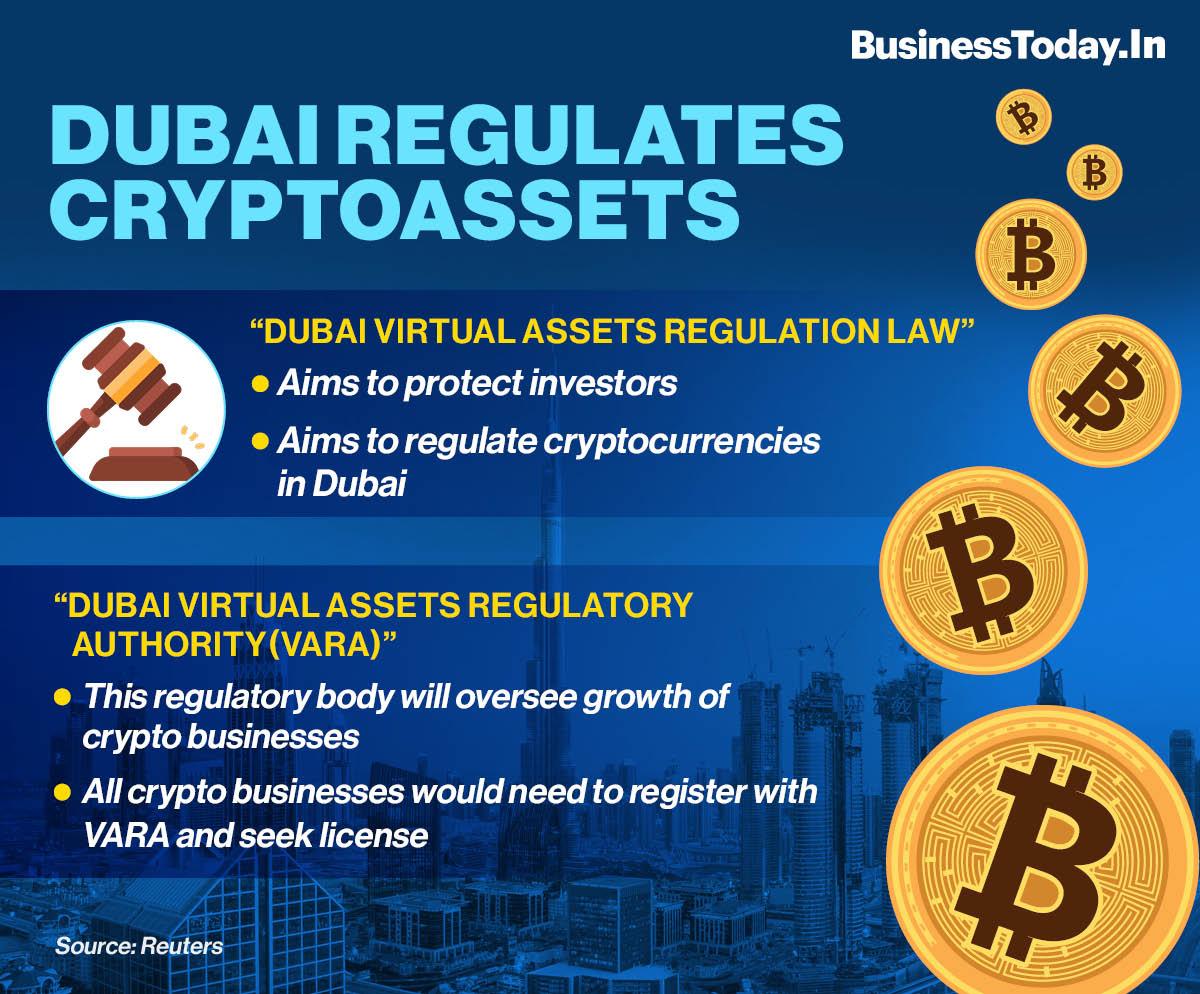
The DFSA crypto regulations pertain specifically to the DIFC, which operates under a unique legal framework compared to the rest of Dubai and UAE. For instance, the Dubai Virtual Assets Regulatory Authority (VARA) has enacted a ban on privacy tokens, while the DFSA’s approach is more principles-based and allows for potential inclusion of various tokens.
How should companies interpret crypto token suitability under the new DFSA regulations?
Companies must now independently assess the suitability of crypto tokens against the DFSA’s criteria. This involves a careful evaluation of the risk associated with each token, particularly for privacy tokens, which may require heightened due diligence due to their inherent nature.
What consultation led to the recent changes in DFSA crypto regulations?
The changes to the DFSA crypto regulations followed a consultation process which initiated in October 2025. This process allowed stakeholders to provide feedback, resulting in the DFSA’s decision to enhance its crypto framework to reflect a more innovative and responsive regulatory stance.
How are businesses in the DIFC responding to the new DFSA crypto regulations?
Businesses in the DIFC are adapting to the new DFSA crypto regulations by preparing to take on greater responsibility in assessing crypto token suitability. This may include developing internal compliance measures to ensure they meet the regulatory requirements while addressing the challenges posed by dealing with higher-risk tokens.
What implications do the DFSA crypto regulatory changes have for the overall UAE crypto landscape?
The DFSA’s regulatory changes could lead to a fragmented approach to crypto regulations in the UAE, as different jurisdictions, such as the VARA and ADGM, may have varying frameworks and rules. This complexity requires stakeholders to navigate differing regulations effectively, particularly for privacy-focused tokens.
Is there a comprehensive list of approved crypto tokens under the new DFSA regulations?
No, the DFSA has decided against publishing a comprehensive list of approved crypto tokens under the new regulations. Instead, the responsibility of determining token suitability now lies with licensed companies within the DIFC.
What impact do recent DFSA changes have on innovation in the Dubai crypto market?
The recent DFSA changes aim to foster innovation by promoting a more flexible, principles-based framework that encourages proactive responses to market developments, allowing companies in the Dubai crypto market to explore diverse token options while ensuring compliance with suitability standards.
| Key Point | Details |
|---|---|
| DFSA Regulatory Changes | The Dubai Financial Services Authority (DFSA) has updated its Crypto Token Regulatory Framework, transferring the responsibility of assessing crypto tokens to licensed companies. |
| DIFC Operations | Companies within the Dubai International Financial Centre (DIFC) must evaluate token suitability based on DFSA criteria. |
| Removal of Approved List | The DFSA will no longer maintain a list of approved crypto tokens, impacting companies that previously relied on it. |
| Regulatory Framework Development | This follows a consultation process starting in October 2025 and represents a shift from the initial framework introduced in 2022. |
| Impact on Privacy Tokens | The updated framework may lead to increased scrutiny on privacy tokens, possibly resulting in stricter due diligence. |
| Jurisdictional Differences | Regulatory treatments vary significantly across the UAE, with some regulators imposing outright bans on certain privacy tokens. |
| Management Insights | Charlotte Robins emphasized the need for a flexible, principles-based regulatory approach reflecting innovation. |
| Complex Regulatory Environment | The shift highlights a complex landscape in the UAE, where varying regulations affect the approach to privacy-focused assets. |
Summary
Dubai crypto regulatory changes are reshaping the landscape for companies operating within the financial sector. The DFSA’s new framework emphasizes a principle-based model where licensed firms bear the responsibility for token assessment. As stakeholders navigate this evolving environment, they must be aware of the increased scrutiny on privacy tokens and the regulatory contrasts across the UAE. This regulatory shift signals a significant move towards a more adaptable framework while also presenting challenges that must be addressed by the crypto industry.
Related: More from Regulation & Policy | UK FCA to Consider Cryptos for Gambling Payments | Judge Halts Binance Effort to Arbitrate US Cryptocurrency Claims