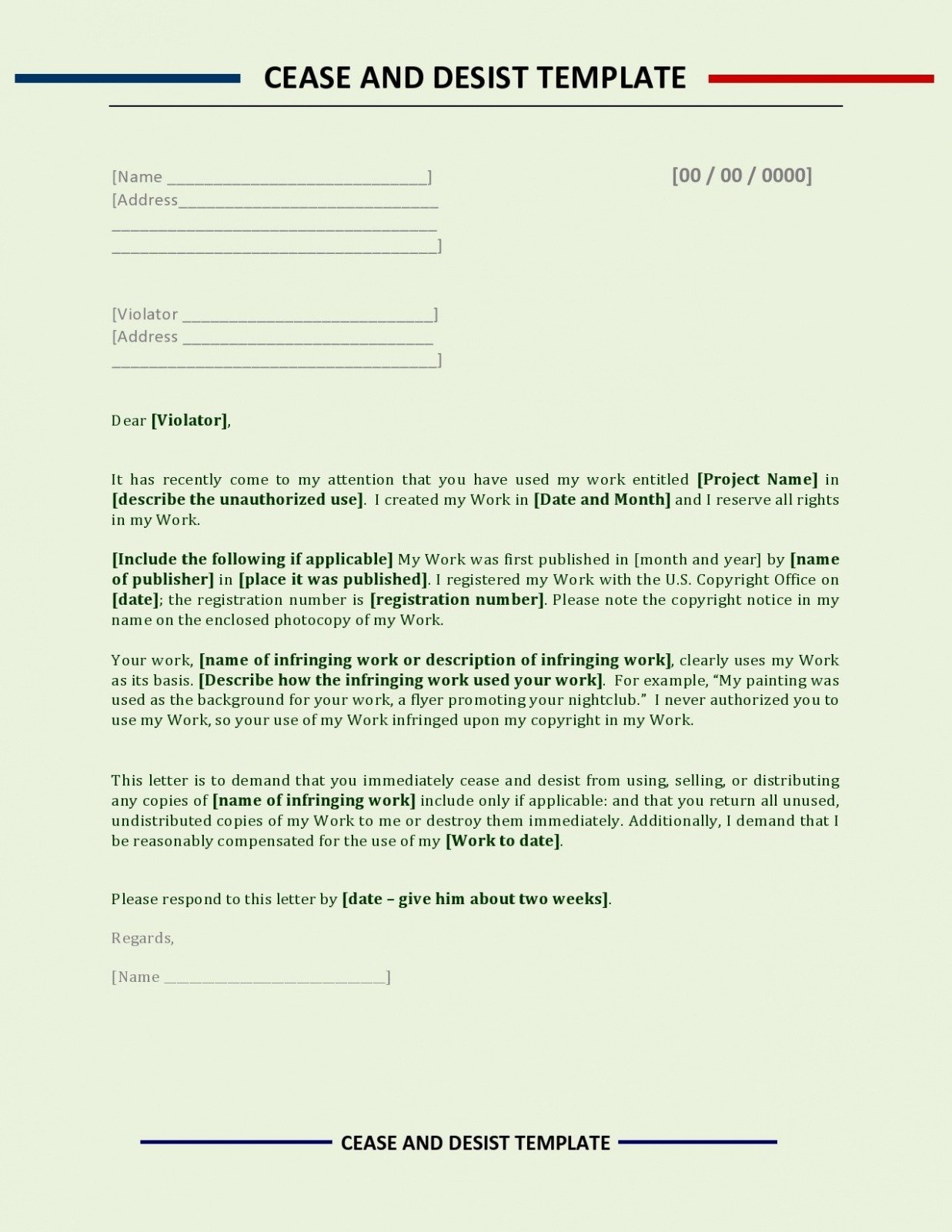

Connecticut cease and desist orders have recently become a hot topic as the state takes action against several prominent betting platforms, including Robinhood, Crypto.com, and Kalshi. These orders highlight the ongoing struggle with unlicensed sports betting and the need for compliance with Connecticut betting laws. The state argues that the event contracts offered on these platforms fall outside legal regulations, posing risks to consumers and the integrity of the betting industry. As the landscape of sports betting evolves, understanding these cease and desist orders is crucial for both operators and bettors. With the increasing popularity of online betting, staying informed about such mandates is essential to ensure adherence to state regulations.
In the realm of regulated gambling, recent actions taken by Connecticut emphasize the critical need for compliance from betting platforms. The state’s enforcement measures against Robinhood, Crypto.com, and Kalshi signify a robust approach to managing unauthorized wagering activities. By issuing cease and desist orders, Connecticut aims to curtail activities deemed as illegal sports betting and safeguard residents against potential financial pitfalls. As event contracts and similar offerings gain traction, the state’s stance on betting regulations becomes increasingly relevant. This discourse highlights the importance of understanding lawful gambling practices in Connecticut and serves as a reminder for operators to align with established betting laws.
Connecticut’s Cease and Desist Orders Explained
Connecticut has been vigilant in regulating sports betting, and it has recently issued cease and desist orders to platforms like Robinhood, Crypto.com, and Kalshi. These orders indicate that the event contracts offered by these companies are deemed illegal under state law. This development raises significant concerns for both operators and consumers, as it highlights the importance of compliance with local betting regulations to avoid legal repercussions.
The cease and desist orders serve as a reminder that Connecticut betting laws are stringent and aim to protect consumers from unlicensed sports betting activities. By taking action against these platforms, Connecticut officials are asserting their authority and ensuring that all betting operations within the state adhere to the established legal framework. Understanding these regulations is crucial for anyone involved in sports betting in Connecticut.
Understanding Connecticut Betting Laws
Connecticut’s legislative framework around betting is complex, aiming to balance innovation with consumer protection. The laws specifically regulate licensed operators while prohibiting unlicensed platforms from offering sports betting services. This is vital to maintaining the integrity of the betting market, and entities like Robinhood and Crypto.com must navigate these laws carefully.
The Connecticut betting laws not only dictate who can operate in the state but also detail the nature of the bets that can be placed. This includes stricter regulations on the types of event contracts available. Companies that fail to comply with these regulations, such as those found in the cease and desist orders, face legal challenges and potential penalties, emphasizing the importance of adhering to state law in all betting matters.
Impact of Unlicensed Sports Betting on Consumers
Unlicensed sports betting poses significant risks to consumers, as it often lacks the consumer protections afforded by regulated markets. Participants engaging with platforms like Robinhood and Crypto.com may find themselves exposed to fraudulent practices or unfair betting conditions. Connecticut’s decision to issue cease and desist orders aims to shield residents from these potential pitfalls.
Moreover, by enforcing betting regulations, Connecticut seeks to promote a safe and responsible gambling environment. This ensures that consumers can engage in sports betting with confidence, knowing that their rights are protected, and the games are fair. Awareness of the risks associated with unlicensed platforms underscores the need for individuals to operate within the bounds of Connecticut betting laws.
The Role of Regulatory Bodies in Sports Betting
Regulatory bodies play a crucial role in shaping the sports betting landscape. In Connecticut, these entities are tasked with monitoring and enforcing compliance among licensed platforms while actively investigating reports of unlicensed sports betting. The recent cease and desist orders issued against companies like Kalshi highlight this regulatory vigilance, which is vital for maintaining market integrity.
By setting clear guidelines and standards, regulatory agencies not only facilitate fair play but also foster consumer trust in the betting process. This institution helps to weed out operators that do not comply with Connecticut’s betting laws, ensuring that platforms like Robinhood and Crypto.com adhere to the legal requirements when offering their services.
The Future of Event Contracts in Connecticut
The rise of event contracts through platforms like Crypto.com has sparked discussions about the future of sports betting in Connecticut. As betting regulations evolve, there may be a possibility for these platforms to operate within legal frameworks. However, until such frameworks are established, the cease and desist orders will remain in effect, indicating the state’s firm stance on unlicensed activity.
Looking ahead, collaboration between regulators and innovative betting companies could lead to new opportunities in legalized sports betting. As states like Connecticut adapt to emerging technologies and changing consumer preferences, it’s essential for participants to stay informed about the evolving landscape, including potential changes to event contracts and compliance requirements.
The Consequences of Ignoring Betting Regulations
Ignoring betting regulations can lead to severe consequences for operators. The cease and desist orders issued by Connecticut to platforms such as Robinhood and Kalshi serve as a lesson to all entities looking to enter the sports betting arena. Non-compliance does not only risks hefty fines and sanctions, but can also tarnish a company’s reputation in the industry.
For consumers, engaging with unlicensed operators can result in lost funds and the absence of legal recourse. Connecticut’s enforcement actions against unlicensed sports betting underscore the state’s commitment to creating a safe betting environment. As consumers become more aware of the importance of regulatory compliance, they may be more inclined to choose licensed operators for their betting needs.
Key Takeaways from Connecticut’s Regulatory Approach
Connecticut’s regulatory approach to sports betting underscores the importance of compliance for both operators and consumers. The enforcement of cease and desist orders against platforms like Robinhood and Crypto.com highlights the state’s commitment to maintaining a safe and regulated betting environment. This approach not only protects consumers but also fortifies the legitimacy of the betting industry in Connecticut.
By raising awareness about the risks associated with unlicensed sports betting, Connecticut sets a precedent that could influence regulatory frameworks in other states. Stakeholders in the betting industry must remain vigilant and adaptable to ensure they meet the evolving regulatory standards, thereby contributing positively to the state’s economic growth and consumer protection efforts.
Innovation in Sports Betting: Opportunities and Challenges
While Connecticut’s cease and desist orders might seem like a setback for platforms like Crypto.com and Robinhood, they also highlight the opportunities for innovation within a regulated framework. Companies that can adapt their offerings to comply with state laws will not only avoid penalties but may find new market segments eager for their services. The challenge lies in balancing creativity with compliance.
As technology continues to evolve, so too will the methods by which consumers engage with sports betting. Connecticut’s strict regulations can be seen as both a challenge and an opportunity for growth in the industry. Innovating within the bounds of Connecticut betting laws will likely create a more sustainable and consumer-friendly environment, paving the way for future advancements in sports betting.
Navigating the Complexities of Sports Betting Compliance
Navigating the complexities of sports betting compliance can be daunting for operators, especially in a state like Connecticut. Adhering to the unique regulations governing licensed and unlicensed sports betting is crucial for avoiding legal entanglements, such as the cease and desist orders recently issued. Understanding the breadth of Connecticut betting laws can make all the difference in ensuring operational success.
Operators must invest time and resources into understanding the regulatory environment and adapting their business practices accordingly. As new betting platforms emerge, maintaining compliance will be critical in avoiding penalties associated with unlicensed activities. This diligence not only protects the operators but also fosters a trustworthy environment for consumers engaging in sports betting.
Frequently Asked Questions
What are Connecticut cease and desist orders regarding Robinhood sports betting?
Connecticut cease and desist orders have been issued to Robinhood for offering unlicensed sports betting services. These orders indicate that Robinhood’s sports betting offerings do not comply with state regulations, necessitating immediate cessation of their activities related to Connecticut betting laws.
How do Connecticut cease and desist orders affect Crypto.com event contracts?
The Connecticut cease and desist orders affect Crypto.com by prohibiting their event contracts, which have been deemed as unlicensed sports betting under the state’s regulations. As a result, Crypto.com must halt these activities to comply with Connecticut betting laws.
What is the significance of cease and desist orders in relation to Kalshi betting regulations?
Cease and desist orders related to Kalshi highlight the state’s determination to enforce betting regulations. These orders inform Kalshi that their event contracts are classified as unlicensed sports betting under Connecticut law, requiring immediate compliance to avoid further legal action.
Can I participate in unlicensed sports betting under Connecticut cease and desist orders?
No, participating in unlicensed sports betting is prohibited under Connecticut cease and desist orders. The orders target platforms like Robinhood, Crypto.com, and Kalshi, informing users that engaging in their services violates Connecticut betting laws and could lead to legal repercussions.
What are the implications of unlicensed sports betting in Connecticut’s legal framework?
Unlicensed sports betting in Connecticut is illegal, and the state actively enforces laws through cease and desist orders. These measures against companies like Robinhood, Crypto.com, and Kalshi protect consumers and ensure that all sports betting activities comply with established Connecticut betting laws.
How can companies avoid cease and desist orders in Connecticut’s betting landscape?
To avoid cease and desist orders in Connecticut, companies must ensure compliance with the state’s betting regulations by obtaining the necessary licenses and adhering to established laws governing sports betting, unlike Robinhood, Crypto.com, and Kalshi, which faced enforcement actions.
What steps can I take if I’ve received a cease and desist order in Connecticut related to sports betting?
If you receive a cease and desist order in Connecticut regarding sports betting, consult with a legal expert familiar with Connecticut betting laws. They can provide guidance on compliance measures and help you cease any unlicensed activities effectively.
How do cease and desist orders impact the future of sports betting in Connecticut?
Cease and desist orders reflect Connecticut’s commitment to regulating sports betting, and these actions against Robinhood, Crypto.com, and Kalshi signal stricter enforcement. This may lead to a more structured and legally compliant sports betting environment in the state.
| Company Name | Reason for Cease and Desist Order |
|---|---|
| Robinhood | Unlicensed sports betting due to event contracts |
| Crypto.com | Unlicensed sports betting due to event contracts |
| Kalshi | Unlicensed sports betting due to event contracts |
Summary
Connecticut cease and desist orders have recently affected major platforms like Robinhood, Crypto.com, and Kalshi. These orders were issued due to concerns that the event contracts on these platforms are classed as unlicensed sports betting, highlighting the state’s efforts to regulate gambling activities effectively. It is crucial for companies operating in Connecticut to comply with state regulations to avoid legal issues.
Related: More from Regulation & Policy | UK Gambling Regulator Examines Cryptocurrencies for Licensed Bettors in Crypto Regulation | Blocks Retreat Signals Broader Payments Shifts