



Headline: BOJ Edges Toward Rate Hike as Wage Momentum Strengthens

Key Takeaways
Introduction: The Bank of Japan is inching closer to its first rate increase in the current cycle, with policymakers signaling growing confidence in Japan’s wage-driven recovery. A summary of the October policy meeting indicates that tighter monetary policy is on the table if wage gains and broader economic conditions remain supportive.
At the October 30 meeting, the BOJ left its policy rate unchanged at 0.5%, though two board members favored lifting it to 0.75%. Of the 13 policy views recorded from the nine-member board, a majority supported either a near-term rate hike or outlined clear conditions that would justify one. Several members warned against “missing the timing” to act, while others emphasized the need to confirm sustained wage-setting momentum and the absence of major external shocks before moving.
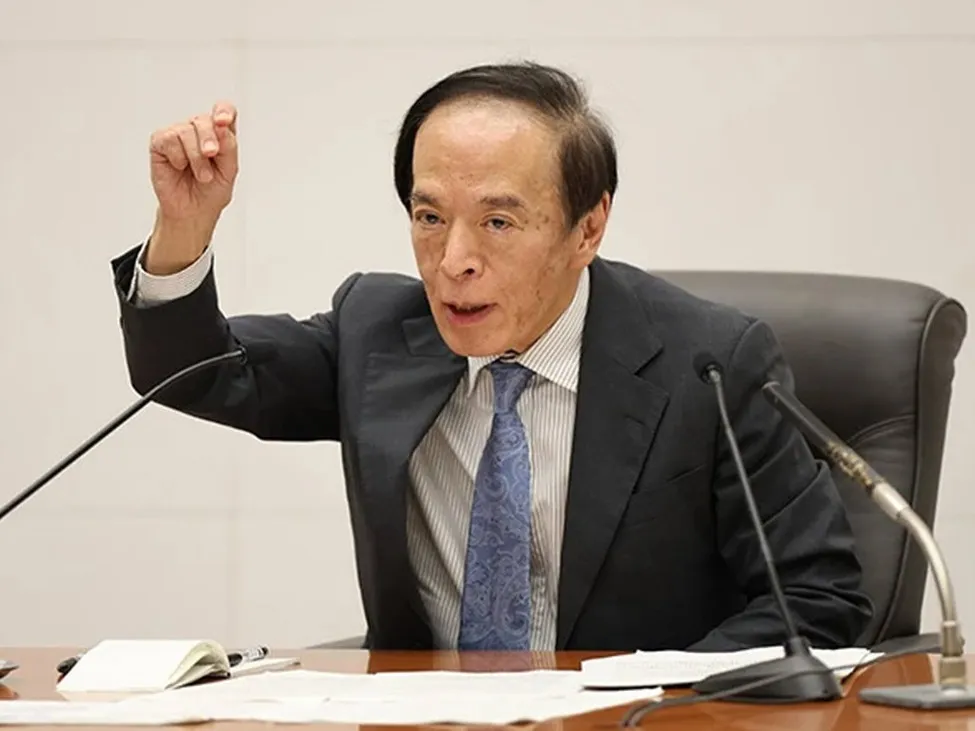
Governor Kazuo Ueda reiterated a cautious stance, noting he wants “a bit more data” to ensure companies maintain pay increases despite headwinds such as higher U.S. tariffs. The overall tone suggests the central bank is more confident about policy normalization but remains deliberate about timing, prioritizing evidence of resilient wage growth as the key trigger for the next step in Japan’s interest rate outlook.
Key Points: – BOJ policy summary shows rising support for a rate hike if wage growth stays solid. – At the October 30 meeting, rates were held at 0.5%; two members dissented in favor of 0.75%. – Eight of 13 policy opinions backed a near-term hike or set conditions to justify one. – Policymakers cautioned against missing the window to tighten policy. – Governor Ueda wants more data to confirm sustained pay increases amid global headwinds. – Focus remains on wage resilience as the key condition for policy normalization.
Context
Current positioning around Market Analysis remains sensitive to primary-source updates, policy interpretation, and execution risk across major venues.
What To Watch
Key confirmation signals include sustained spot demand, funding stability, and whether price can hold reclaimed levels after headline-driven volatility.
If momentum weakens, traders will likely prioritize downside liquidity zones and risk-control positioning before adding new directional exposure.
Related: More from Market Analysis | Sanae Token Drops Amidst PM Denial in Crypto Market | Nasdaq Backs Wall Streets Prediction Market Push in Crypto Market