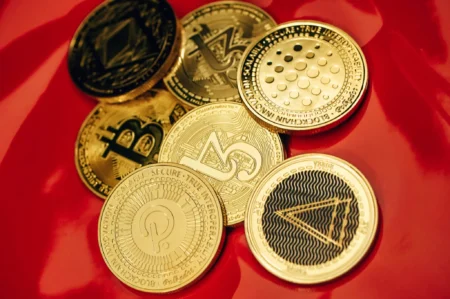

In recent years, Ripple, the San Francisco-based fintech company known for its blockchain-based payment solutions, has been making significant strides in its institutional outreach. Despite the broad adoption and a growing list of high-profile collaborations, Ripple’s digital token, XRP, has seen a relatively lackluster performance in the crypto market. This divergence is a puzzling scenario for investors and market analysts alike, raising questions about the factors influencing XRP’s price dynamics.
Key Takeaways
Ripple's Institutional Push
Ripple has been at the forefront of the institutional acceptance of blockchain technology. The company’s flagship product, RippleNet, harnesses the power of its consensus protocol to facilitate real-time cross-border payments for its clients, which include big names in banking like Santander and Standard Chartered. The company has also partnered with various financial institutions globally, expanding its footprint to over 40 countries.
Moreover, Ripple has been quite active in formulating partnerships outside the banking sector, including tie-ups with payment service providers and remittance companies across different regions, further strengthening its ecosystem. This institutional push has underlined Ripple’s commitment to revolutionizing financial infrastructure through innovative uses of blockchain technology.
The XRP Dilemma
Despite Ripple’s success in gaining institutional traction, XRP has not mirrored this success in the cryptocurrency markets. While one might expect that the increased adoption of RippleNet would correlate with a rise in XRP’s value, the price of XRP has remained surprisingly stagnant, especially in comparison to other major cryptocurrencies like Bitcoin and Ethereum.
Several factors might contribute to this disconnect. First, there’s regulatory uncertainty. XRP has been at the center of regulatory debates, particularly in the United States, where the Securities and Exchange Commission (SEC) filed a lawsuit against Ripple Labs, alleging that XRP was sold as an unregistered security. This lawsuit has cast a pall over XRP, deterring potential institutional and retail investors alike.
Additionally, while RippleNet does use XRP as an optional bridge currency for cross-border payments, its adoption is not mandatory. Financial institutions can use Ripple’s technology without necessarily utilizing XRP. This option dilutes the direct impact that Ripple’s institutional success may have on XRP’s demand and price.
Market Dynamics and Investor Sentiment
Market dynamics also play a crucial role. The broader cryptocurrency market is influenced by a myriad of factors including macroeconomic indicators, technological advancements, and market sentiment. In times of market downturns or when investors shift towards more speculative trading behaviors, even cryptocurrencies with strong fundamentals like XRP can suffer.
Furthermore, investor sentiment around XRP has been significantly impacted by the ongoing SEC lawsuit, leading to cautiousness among investors. The resolution of this legal battle is likely crucial for XRP’s future price trajectory, as a favorable outcome might restore confidence and potentially trigger a rally.
Looking Forward
Looking ahead, Ripple’s continued efforts in promoting the adoption of its technology and expanding its network globally could play a critical role in shaping XRP’s destiny. If Ripple can successfully navigate its legal challenges and continue to promote XRP as an essential component of its technology suite, there might be a positive resurgence in its market value.
In conclusion, while Ripple’s institutional push continues to grow, internal and external complexities have prevented XRP from experiencing the same level of growth in terms of price. Understanding this disconnect requires a nuanced appreciation of the intersecting domains of technology, market dynamics, and regulatory frameworks. As the landscape evolves, so too will the fortunes of XRP in the highly volatile cryptocurrency market.
Related: More from Altcoin News | Takaichi Disowns Solana Coin After Huge Drop in Altcoin | BNB Above $630: YZi Labs Invests $100M in Hash Global Fund