
Trump Opens Door to Talks with Maduro as U.S. Increases Pressure in Caribbean

Key Takeaways
The White House signaled a potential shift in U.S.–Venezuela relations, with President Donald Trump indicating he could be open to direct talks with President Nicolás Maduro. The overture comes as Washington intensifies military posture in the region and escalates legal pressure on alleged Venezuelan criminal networks—developments that could ripple through global oil markets.
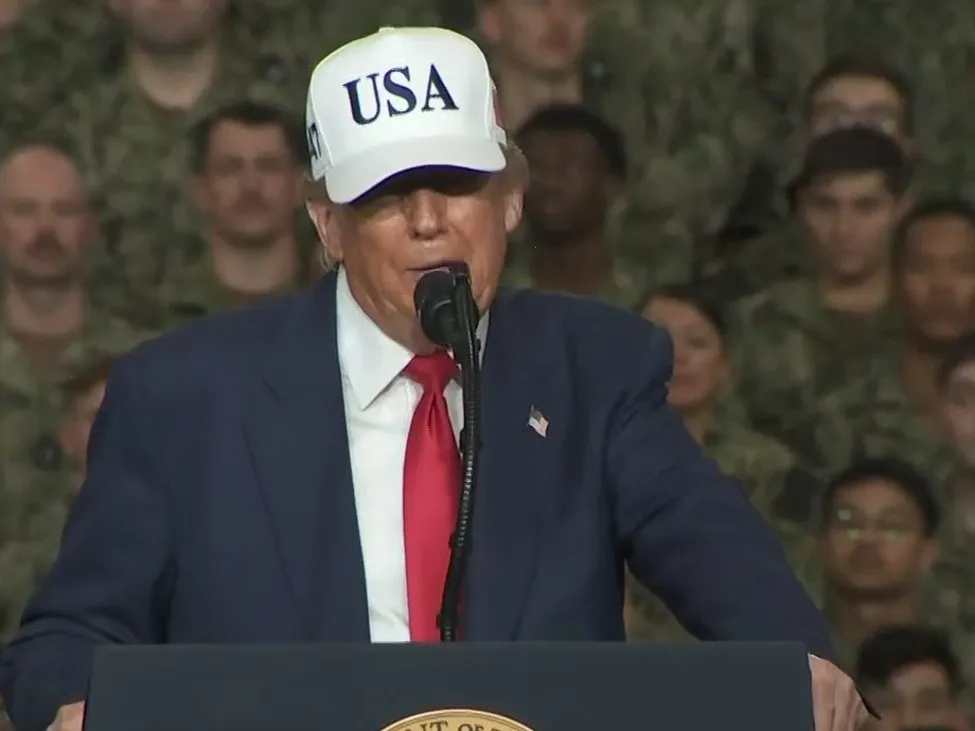
Speaking to reporters in West Palm Beach, Trump said his administration “may be having some discussions with Maduro,” noting that Caracas “would like to talk.” He offered no timeline or specifics, while emphasizing that pressure on the Maduro government would continue. The remarks suggest a dual-track approach combining diplomacy with sustained leverage.
Earlier, Secretary of State Marco Rubio said the State Department would designate the Venezuelan network known as Cartel de los Soles as a foreign terrorist organization, a step that criminalizes material support from within the United States. U.S. officials accuse the group of collaborating with Tren de Aragua to traffic narcotics into the country and allege links to Maduro—claims the Venezuelan leader denies.
Military signaling has also sharpened. The Pentagon has moved warships, fighter aircraft, and a nuclear-powered submarine into the Caribbean as Washington weighs potential options. Any movement toward dialogue could temper market anxiety, but the ongoing deployments and terrorism designation underscore elevated geopolitical risk and a possible risk premium in oil prices.
Key Points: – Trump says the U.S. may hold direct discussions with Venezuelan President Nicolás Maduro. – Washington will maintain pressure even as it signals openness to talks. – The State Department plans to designate Cartel de los Soles as a foreign terrorist organization. – U.S. officials allege ties between the cartel, Tren de Aragua, and Maduro; he rejects the claims. – The Pentagon has deployed warships, fighter jets, and a nuclear submarine to the Caribbean. – Energy markets may see heightened volatility as geopolitical risk remains elevated.