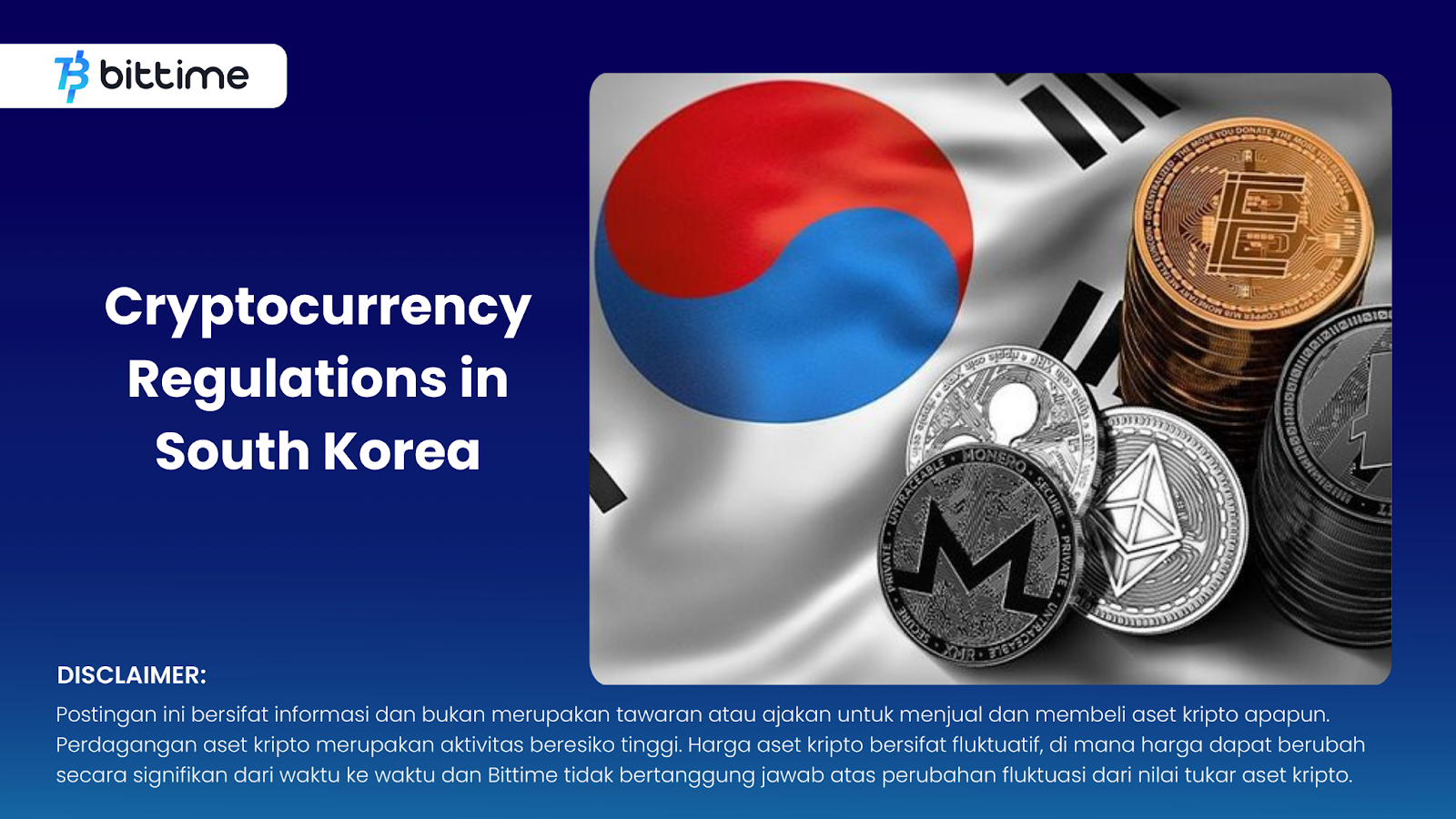

South Korea cryptocurrency regulations have significantly evolved, marking a new era for digital assets in the nation. With the recent endorsement from the Financial Services Commission, publicly listed companies and professional investors are now authorized to engage in cryptocurrency trading South Korea, effectively lifting a nearly decade-long ban. This regulatory shift allows eligible entities to allocate up to 5% of their net assets to invest in cryptocurrencies, particularly focusing on the top 20 by market capitalization. As a result, approximately 3,500 organizations, including major corporations and registered investment firms, stand to benefit from this unprecedented access to South Korea crypto investment opportunities. Furthermore, regulatory measures necessitate that exchanges adhere to specific guidelines, emphasizing the importance of maintaining order execution limits and ongoing discussions about stablecoin eligibility to enhance investor protection.
Recent developments in South Korea’s digital asset framework have transformed how financial services South Korea engages with cryptocurrencies. By paving the way for institutional participation, the revised cryptocurrency guidelines aim to integrate cryptocurrencies into the mainstream financial landscape. This shift not only opens avenues for diverse investment strategies but also aligns with global trends toward stricter financial regulations. As the country’s financial authorities push forward, the implications for cryptocurrency trading and crypto investment will be keenly observed both domestically and internationally. Ultimately, the regulatory landscape is set to define the future of digital currency engagements in the South Korean market.
Overview of Cryptocurrency Trading Regulations in South Korea
South Korea has long been recognized as a significant player in the global cryptocurrency market, but regulatory compliance has often posed challenges for investors. Recent developments by the Financial Services Commission (FSC) signal a shift in this landscape, creating a comprehensive framework that facilitates cryptocurrency trading. These new regulations permit publicly listed companies and professional investors to engage in cryptocurrency trading, marking an end to a nine-year prohibition. This pivotal step not only enhances the legitimacy of cryptocurrencies but also allows firms to diversify their portfolios by invested in digital assets.
Furthermore, by allowing up to 5% of net assets to be invested in the top 20 cryptocurrencies, South Korea aims to bolster investor confidence and attract more institutional capital into the cryptocurrency market. This new regulatory environment aims to create a safer space for crypto trading, ensuring that financial services providers adhere to fixed guidelines. As discussions continue regarding stablecoin eligibility, it’s clear that the FSC is taking a cautious yet progressive approach toward cryptocurrency integration within the financial services sector.
Impact of South Korea’s Cryptocurrency Investment Guidelines
The recent guidelines on cryptocurrency investment in South Korea are set to revolutionize the landscape for local investors and traders alike. With public companies and professional investment firms now authorized to trade cryptocurrencies, we can expect significant inflow of capital into this sphere. The investment cap of 5% presents a measured approach, preventing overexposure while still allowing for meaningful engagement with cryptocurrencies. Institutions are likely to leverage their market knowledge and resources to navigate the volatility characteristic of digital assets, promoting a more stable market environment.
Moreover, this move is poised to enhance South Korea’s reputation as a leading crypto investment hub. By aligning cryptocurrency trading with established financial regulations, the country can mitigate risks associated with fraud and speculation. As more entities gain market access, it will foster healthy competition among exchanges, driving innovation and potentially leading to better trading platforms and services. Such developments will leave a lasting impact on the cryptocurrency trading ecosystem in South Korea.
The introduction of staggered execution and order size limits for exchanges serves to further secure investor interests and fortify the market’s integrity. Such measures are crucial in ensuring that the operational framework remains robust while providing safeguards against potential market manipulations. Investors can thus engage with confidence, knowing there are rules to counteract possible vulnerabilities. As South Korea continues to refine its cryptocurrency guidelines, it sets a benchmark for others looking to follow or develop similar regulatory structures.
Evaluating South Korea’s Financial Services Landscape
As South Korea moves to integrate cryptocurrency trading within its financial services framework, various factors must be evaluated to ensure a balanced approach. The financial services industry has undergone significant changes over the past decade, and with the addition of cryptocurrencies, there can be both opportunities and challenges. Investment firms will need to adapt to the rapid pace of technological advancements in fintech, while simultaneously embracing the transformative potential of blockchain technology ingrained in cryptocurrencies. Such integration not only improves operational efficiency but also enhances the services offered to clients.
The ongoing reforms in the financial services sector, particularly focusing on cryptocurrencies, also reflect a broader global trend of acknowledging digital assets as legitimate investments. South Korea has shown a commitment to staying at the forefront of these changes, ensuring its investors are well-informed and safeguarded. With the implementation of proper compliance protocols and investor protection measures, industry stakeholders can engage more effectively within the evolving landscape of financial services.
The Future of Cryptocurrency Investments in South Korea
Looking ahead, the future of cryptocurrency investments in South Korea appears promising, particularly with the newly established guidelines that have the potential to reshape market dynamics. As institutional investors and companies begin to explore these opportunities, the legitimacy of cryptocurrencies will continue to rise. The expectation is that increased participation from established financial entities will result in greater market stability, improved regulation, and an influx of innovative products tailored to cater to crypto investors.
Furthermore, these developments may inspire other countries to reconsider their stance on cryptocurrency regulations. South Korea’s willingness to open its doors to cryptocurrency trading creates a compelling case for international dialogue on best practices in the crypto space. With growing acceptance of cryptocurrency as a viable asset class, South Korea’s regulated environment could become a blueprint for integrating digital assets into traditional financial systems, thereby elevating its position in the global financial arena.
Navigating South Korea’s Cryptocurrency Exchanges
As South Korea moves forward with its cryptocurrency regulations, navigating the nation’s exchanges will become increasingly important for investors. The FSC’s requirement for exchanges to implement sustainable trading practices, such as staggered execution and order size limits, ensures that these platforms operate safely and equitably. These measures are designed to enhance consumer protection and prevent market abuses, such as pump-and-dump schemes, that have plagued some exchanges in the past.
Moreover, with a robust regulatory framework, investors can better assess the reliability and security of various cryptocurrency exchanges. As institutions flock to the market, exchanges that prioritize compliance with government regulations will likely gain a competitive edge. This increased focus on security and reliability will lend itself to a more mature trading environment, appealing not only to seasoned investors but also to newcomers looking to explore the world of cryptocurrencies.
Understanding Cryptocurrency Guidelines in South Korea
The cryptocurrency guidelines introduced by the South Korean Financial Services Commission mark a significant evolution in the nation’s regulatory landscape. These guidelines are designed to protect investors while fostering an innovative environment for digital assets. For instance, the distinction made between institutional and retail investors ensures that the unique needs and risks associated with different types of investors are effectively addressed. This tailored approach reflects a nuanced understanding of the cryptocurrency market, which varies widely in its operational dynamics.
Additionally, the guidelines outline clear expectations for firms managing cryptocurrency investments, promoting transparency and accountability. These measures not only facilitate compliance but also build trust among investors who may be skeptical about the reliability of digital assets. As these guidelines take root, they will serve as a critical foundation for future developments within the South Korean cryptocurrency ecosystem, paving the way for enhanced investor education and market participation.
Analyzing Financial Regulations and Their Impact on Cryptocurrency in South Korea
The relationship between financial regulations and cryptocurrency is complex and evolving in South Korea. The recent implementation of cryptocurrency trading guidelines reflects the FSC’s intent to balance innovation with consumer protection. With the investment parameters set forth, the aim is to manage risk while simultaneously stimulating growth in the cryptocurrency market. This regulatory clarity allows financial service providers and investors to operate with more confidence, knowing there are established standards to adhere to.
Moreover, the regulations surrounding cryptocurrency trading play a crucial role in aligning South Korea’s financial services with global standards. As countries around the world grapple with the implications of digital currencies, South Korea’s proactive approach may help mitigate some of the turbulence associated with cryptocurrency fluctuations. By setting these precedents, the nation positions itself as a leader in the discussion on international cryptocurrency regulations and influences positive shifts in market stability.
The Role of Professional Investors in South Korea’s Crypto Market
Professional investors will play a pivotal role in shaping the cryptocurrency market in South Korea. With the new guidelines empowering institutional players to invest significantly in digital assets, there is expected to be a dramatic change in market dynamics. These investors bring not only capital but also expertise and a long-term view that could contribute to the maturity of the cryptocurrency market. Their participation signals to retail investors that cryptocurrencies are approaching legitimacy and may even lead to broader adoption.
Additionally, the involvement of professional investors can foster innovative financial products linked to cryptocurrencies. By leveraging their knowledge of traditional investments, these investors can develop cryptocurrency-based financial instruments that provide better liquidity and stability in the market. This transition is crucial for the growth of digital assets as it introduces structured investment vehicles that can appeal to both conservative and aggressive investors in South Korea.
Implications of Market Access for Cryptocurrency in South Korea
The reopening of the South Korean cryptocurrency market to listed companies and professional investors holds multiple implications for the broader ecosystem. With about 3,500 entities eligible to participate, the influx of institutional capital is expected to significantly reshape market dynamics, fostering competition among exchanges and financial service providers. This increased market access will lead to enhanced offerings, innovative trading platforms, and potentially better rates for consumers.
On the investor side, the potential for increased liquidity and options for diversification through cryptocurrency investments is likely to attract more participation in this sector. As companies begin to allocate portions of their portfolios to cryptocurrency, they may also influence public sentiment, encouraging retail investors to reevaluate their own approaches to digital assets. Consequently, this could lead to a wave of novel investment products that cater to the evolving preferences of the South Korean market.
Frequently Asked Questions
What are the recent changes in South Korea cryptocurrency regulations regarding trading?
The recent changes in South Korea cryptocurrency regulations allow publicly listed companies and professional investors to engage in cryptocurrency trading. After a nine-year ban, eligible organizations can now invest up to 5% of their net assets annually in the top 20 cryptocurrencies by market capitalization across South Korea’s five major exchanges.
How do South Korea’s financial services regulations impact cryptocurrency investments?
South Korea’s financial services regulations have shifted to permit cryptocurrency investments for publicly listed companies and professional investors, enabling them to diversify their portfolios with up to 5% of their net assets allocated to cryptocurrencies. This change is a significant step in integrating cryptocurrency into the mainstream financial services sector in South Korea.
What are the eligibility requirements for South Korea crypto investment under the new regulations?
Under the new South Korea crypto investment regulations, publicly listed companies and registered professional investment firms are eligible to trade cryptocurrencies. They can invest up to 5% of their net assets annually in the top 20 cryptocurrencies by market capitalization.
Are there specific guidelines for cryptocurrency trading in South Korea?
Yes, South Korea has implemented specific cryptocurrency guidelines that include staggered execution and order size limits for exchanges. These guidelines aim to enhance the integrity and stability of cryptocurrency trading within the country’s financial framework.
Which cryptocurrencies can be traded under the new South Korea cryptocurrency regulations?
The new South Korea cryptocurrency regulations allow trading of the top 20 cryptocurrencies by market capitalization on the major exchanges. However, discussions are ongoing regarding the eligibility of certain stablecoins, like USDT, for investment under these guidelines.
How many entities are expected to benefit from South Korea’s cryptocurrency regulations?
Approximately 3,500 entities, including publicly listed companies and registered professional investment firms, are expected to benefit from the new South Korea cryptocurrency regulations, as they will now have the opportunity to engage in cryptocurrency trading.
| Key Point | Details |
|---|---|
| Regulation Introduction | South Korea’s Financial Services Commission has finalized guidelines allowing cryptocurrency trading for publicly listed companies and professional investors. |
| End of Ban | This new regulation marks the end of a nine-year ban on cryptocurrency trading. |
| Investment Limits | Eligible organizations can invest up to 5% of their net assets annually in the top 20 cryptocurrencies. |
| Market Access | Approximately 3,500 entities, including listed companies and professional investment firms, will gain market access. |
| Exchange Regulations | Exchanges must implement staggered execution and order size limits to ensure compliance. |
| Stablecoin Eligibility | Discussions are ongoing about whether USDT and other dollar-pegged stablecoins are eligible for investment. |
Summary
South Korea cryptocurrency regulations have recently undergone significant updates, allowing public companies and professional investors to engage in trading crypto assets. This move not only lifts a long-standing ban but also opens the door for increased market participation, signaling a progressive shift in the nation’s approach to digital currencies.
Related: More from Regulation & Policy | UK FCA to Consider Cryptos for Gambling Payments | Judge Halts Binance Effort to Arbitrate US Cryptocurrency Claims