

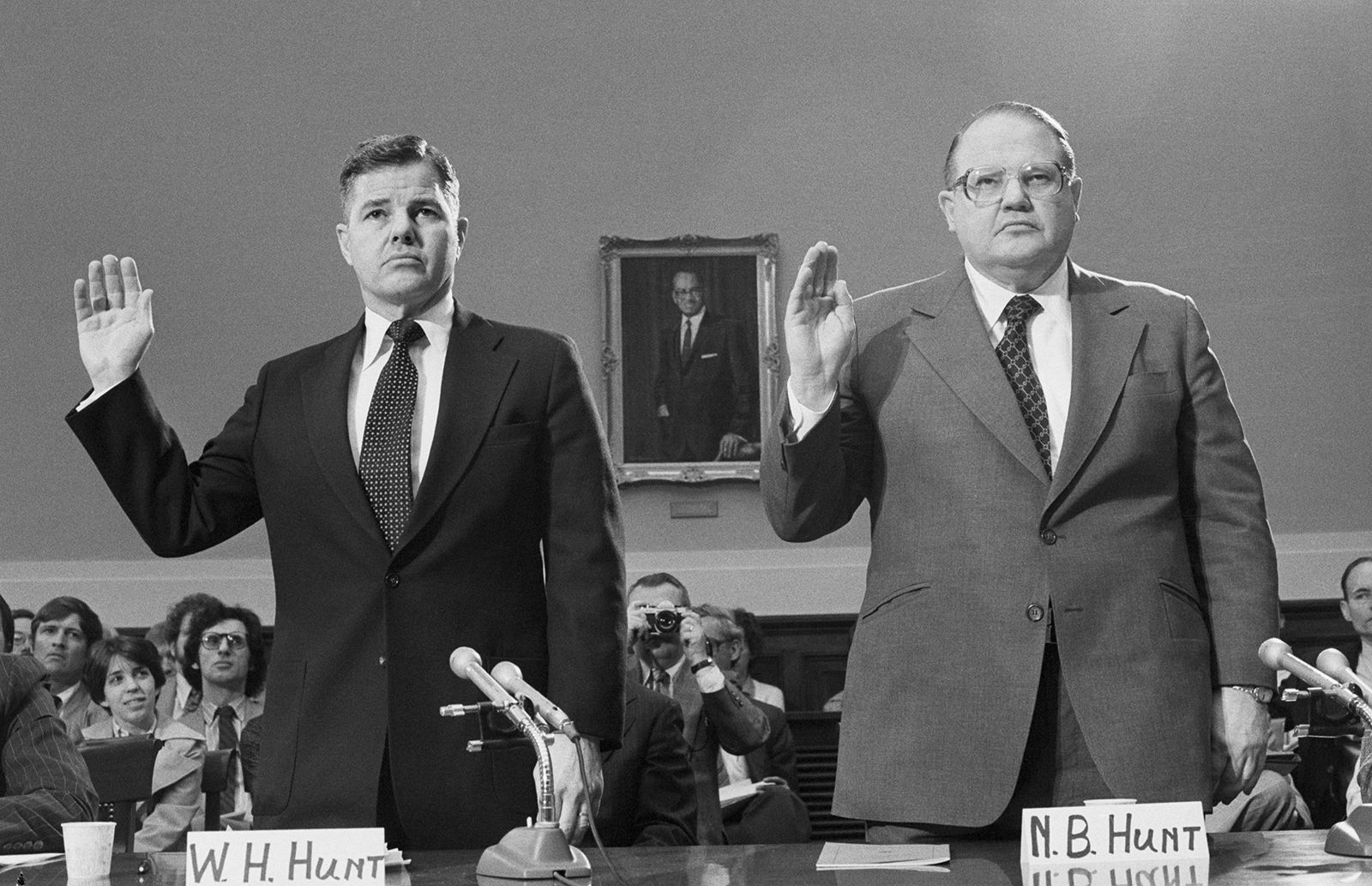

Silver Thursday marks a pivotal moment in the history of the silver commodity market, occurring on March 27, 1980. On this day, the COMEX implemented critical regulatory measures that altered the landscape of silver trading, particularly in response to the dramatic actions of the Hunt brothers who attempted to corner the market. With the introduction of measures such as ‘Silver Rule 7’, new purchases of silver were effectively banned, allowing only for liquidation and sales. This swift regulatory intervention provided a stark contrast to the uncontrolled market enthusiasm that preceded it, leading to an astonishing drop in silver prices by over 50% within just days. F2Pool co-founder Wang Chun recently reflected on this tumultuous day, pondering how today’s market actors would respond to similar restrictions if applied in today’s landscape.
The events surrounding Silver Thursday are often discussed using various terms that span the realms of financial regulation and market dynamics. This notorious Thursday in 1980 encapsulates a turning point in the silver market, showcasing how regulatory frameworks such as silver price regulation can shape trading practices substantially. The fallout from the Hunt brothers’ attempts at market manipulation has influenced discussions around trade tactics and the significant role of buyers and sellers in commodity markets. Analysis of this historical event offers insights into the mechanisms of market correction and the importance of adhering to established COMEX silver rules. As traders navigate contemporary challenges, drawing parallels to the infamous silver market crash emphasizes the lasting impact of regulatory responses in maintaining market integrity.
| Key Point | Details |
|---|---|
| Silver Thursday | A significant event in the silver market that occurred on March 27, 1980. |
| Regulatory Measures | COMEX implemented rules prohibiting new purchases of silver, allowing only liquidation. |
| Hunt Brothers’ Influence | The Hunt brothers attempted to manipulate the silver market, leading to regulations such as Silver Rule 7. |
| Market Reaction | Silver prices dropped over 50% within four days due to panic and inability to repay debts by the Hunt brothers. |
Summary
Silver Thursday marked a pivotal point in the history of the silver market, demonstrating the impact of regulatory measures on commodity trading. The events of March 27, 1980, serve as a reminder of how speculation and market manipulation can lead to drastic price movements, influencing both investors and regulatory bodies. Today, reflections on Silver Thursday resonate in discussions about market integrity and protection against similar incidents.
Understanding the Impact of Silver Thursday on Modern Commodities
Silver Thursday, which occurred on March 27, 1980, marked a pivotal moment in the history of the silver market. On that day, the actions of the Hunt brothers to corner the silver market collapsed spectacularly, triggering a massive sell-off. The significant regulatory response from the New York Commodity Exchange (COMEX) introduced ‘Silver Rule 7’, which effectively curbed speculative practices by limiting the ability to buy on margin. This decisive measure was a direct reaction to the manipulation tactics of the Hunt brothers, highlighting the vulnerabilities in the silver trading environment fueled by excessive leverage.
As we reflect on the implications of Silver Thursday, it is essential to recognize how historical events continue to shape regulations and strategies within today’s commodities markets. The enforcement of stricter regulations following this crisis illustrates a broader trend of increasing oversight within financial markets. The events of Silver Thursday serve as a cautionary tale for investors and regulators alike, reminding us of the importance of stability and transparency in trading practices, especially when significant leverage is involved.
The Role of F2Pool and Modern Crypto Trading in Regulatory Discussions
In the contemporary trading landscape, figures such as Wang Chun, co-founder of F2Pool, are vocal about the need for regulations that safeguard the market from undue manipulation. Posting on platform X, Chun referenced the notorious Silver Thursday incident, drawing parallels between past and present market behaviors. He described how modern FUD (fear, uncertainty, and doubt) could influence market sentiment and questioned how contemporary leaders, such as Binance’s CZ, would handle similar scenarios if they were forced to impose stringent regulations like those seen during the 1980 silver market crash.
The introduction of regulations like Silver Rule 7 essentially showcased how trading frameworks need to adapt to prevent market distortions. Today’s crypto markets, while significantly different from the traditional silver markets, face their own set of challenges. With the manipulative practices seen in both arenas, there is a pressing need for mechanisms that not only protect the integrity of trading but also maintain investor confidence. While the silver market is steeped in history, the lessons learned during events like Silver Thursday can inform current regulatory practices across cryptocurrencies and commodities alike.
The Hunt Brothers and Their Impact on Silver Pricing
The Hunt brothers, Herbert and Nelson, are often cited as pivotal figures in the story of silver trading during the late 1970s, when they aggressively attempted to corner the market. Their strategy, which included buying massive quantities of silver, led to an unprecedented surge in prices, creating a speculative bubble. However, this bubble burst dramatically on Silver Thursday, leading to an over 50% decline in the price of silver within just days. The brothers’ financial miscalculations and inability to sustain their positions under the newly implemented rules left a lasting impact on the market, leading to a significant reevaluation of silver price regulation practices.
Their attempt to control the silver market not only resulted in their financial ruin but also served as a significant turning point in commodity trading regulation. The failure of their speculative strategy highlighted the dangers of excessive financial leverage within commodity markets, prompting regulators to introduce measures like margin restrictions. In light of these events, the historical narrative surrounding the Hunt brothers continues to influence discussions among investors and regulators regarding market stability and the importance of effective oversight to prevent similar crises from occurring in either silver or other financial sectors.
Regulatory Responses Following the 1980 Silver Market Crash
In the aftermath of the tumultuous events of Silver Thursday, the regulatory landscape for commodities trading underwent significant transformation. The introduction of specific rules, such as ‘Silver Rule 7’, was aimed at preventing similar market manipulations in the future. These regulations focused on enabling a more controlled and transparent trading environment, emphasizing the need to limit excessive speculation and leverage that had been rampant prior to the crash. Specifically, the rule restricted margin purchasing, ensuring that traders could not excessively borrow to invest in silver, thus maintaining a more stable price environment.
The lessons learned from the 1980 silver market crash have echoed through the decades, influencing how contemporary markets are regulated today. Similar regulations now exist not only in the silver markets but across various commodities, reinforcing the principle that robust regulatory frameworks are essential for market health and longevity. As investors increase their engagement in silver and other commodities, the enduring impacts of Silver Thursday serve as a reminder of the necessity for vigilance and sound practices in trading, particularly during times of economic uncertainty.
The Significance of COMEX Rules in Current Market Dynamics
The Commodity Exchange (COMEX) rules established following Silver Thursday play a crucial role in shaping the operational landscape of today’s trading environment. By implementing regulations that encompass measures such as those outlined in ‘Silver Rule 7’, COMEX aimed to protect the integrity of the market while preventing speculative excesses. These rules have become a foundation that influences not only silver trading but the broader context of commodities and financial gearing, reinforcing the relationship between regulatory frameworks and market stability.
Today, market participants look toward these established rules as a benchmark for risk management and trading ethics. The influence of past regulations extends to modern trading platforms, which face scrutiny regarding their operational integrity and transparency. As investors navigate a complex array of products, including cryptocurrencies, the principles derived from historic events like Silver Thursday inform their strategies and expectations from market operators. Continuous dialogues around adapting regulations to current challenges underscore the importance of learning from history to foster a resilient trading environment.
The Parallels of Silver Market Manipulation and Crypto Trading
The events surrounding Silver Thursday and the Hunt brothers serve as a historical lens through which to view contemporary challenges in crypto trading. Just as the 1980 silver market collapse demonstrated the dangers of manipulation and unchecked speculation, today’s digital assets markets face similar threats. With figures like Wang Chun expressing concerns about potential regulations in response to market volatility, the conversation turns towards the need for structured oversight that prevents manipulation while promoting investor confidence.
In both silver and cryptocurrency markets, speculative bubbles can lead to catastrophic consequences, underscoring the need for proactive governance. Traders should take heed of the historical context provided by Silver Thursday, understanding that while innovation drives growth, a balance between freedom and regulation is paramount to ensure market sustainability. As discussions about regulation evolve, the parallels between these two markets should inform best practices in oversight to foster safer trading environments.
Lessons from the Silver Price Regulation of the 1980s
The regulatory measures implemented in the wake of the 1980 silver market crash present essential lessons for modern investors. Silver Thursday highlighted the catastrophic effects of speculative trading driven by poor oversight, resulting in tremendous financial fallout not just for the Hunt brothers, but for the entire commodities market. Today’s investment landscape, especially with the advent of cryptocurrencies, suggests a pressing need for similar regulatory frameworks that could mitigate risks associated with speculative trading behavior.
These lessons extend beyond silver, revealing a broader need for awareness and education among traders in all markets. Understanding the historical context of regulations imposed following Silver Thursday can inform more responsible trading practices in modern times. Investors must recognize that while potential profits may be enticing, the pitfalls of over-leverage and speculation could lead to significant losses, as seen in the past. The legacy of Silver Thursday serves as a critical reminder of the importance of regulatory vigilance in creating a fair and stable trading ecosystem.
Market Sentiment and FUD: Reflections from Historical Events
The relationship between market sentiment and the spread of FUD (fear, uncertainty, and doubt) has become a significant topic in trading discussions, especially in light of historical events like Silver Thursday. Investors often let rumors and negative sentiments dictate their trading decisions, leading to volatility and instability. Wang Chun’s observations about market reactions during crises indicate that understanding how sentiment shapes behavior is crucial for investors looking to navigate the complexities of both the silver markets and today’s digital assets markets.
The challenge lies in differentiating between substantiated information and fear-based narratives aimed at manipulating market precision. As seen during the tumultuous days of Silver Thursday, a sudden shift in sentiment can trigger catastrophic market movements, emphasizing the importance of critical analysis and caution. By learning from the past, investors can develop strategies to guard against irrational behavior driven by FUD, seeking instead to make informed decisions guided by careful analysis and an understanding of market fundamentals.
The Future of Silver Trading in a Regulated Environment
As we look toward the future of silver trading, the implications of past regulatory decisions become increasingly apparent. With a regulatory framework established by events such as Silver Thursday, market participants are better equipped to navigate the complexities inherent in trading. This foundation supports greater market stability, allowing silver to maintain its relevance amid evolving economic conditions. Stakeholders must continue to advocate for effective regulatory practices that foster a healthy trading environment while encouraging innovation.
The silver market, much like other commodities and cryptocurrencies, faces an uncertain future shaped by both historical precedents and present-day dynamics. Ongoing discussions about regulatory adaptations aimed at enhanced transparency and accountability will be critical. Ensuring that past mistakes are not repeated requires continuous dialogue among traders, regulators, and market participants, emphasizing readiness to embrace sound governance principles. Looking ahead, silver trading can evolve within a framework that respects market integrity while addressing the challenges brought forth by an ever-changing economic landscape.
Frequently Asked Questions
What happened during Silver Thursday in 1980 and its impact on silver prices?
Silver Thursday refers to March 27, 1980, when the Hunt brothers faced a collapse in their silver market manipulation efforts. This event triggered a dramatic drop in silver prices, which fell by over 50% within four days. The New York Commodity Exchange (COMEX) implemented strict regulations, notably ‘Silver Rule 7’, to curb excessive financial leverage and prevent similar market events.
How did COMEX regulations on Silver Thursday affect the silver market?
On Silver Thursday, the COMEX enacted new rules that prohibited new purchases of silver, allowing only for liquidation. This regulatory change was aimed at preventing further manipulation by the Hunt brothers, leading to significant volatility in silver prices and panic in the market, as leveraged positions were unable to be maintained.
What is the significance of the Hunt brothers in relation to Silver Thursday?
The Hunt brothers were significant figures in the silver market leading up to Silver Thursday due to their aggressive attempts to corner the market, which ultimately failed. Their actions led to regulatory changes by the COMEX, reflecting the serious implications of market manipulation on silver prices.
What does FUD mean in the context of Silver Thursday and current market reactions?
FUD stands for Fear, Uncertainty, and Doubt. In discussions surrounding Silver Thursday, F2Pool co-founder Wang Chun referenced FUD to highlight concern about how current market participants might react to regulatory actions similar to those taken during Silver Thursday if implemented today, particularly by influential figures like CZ.
How did the 1980 silver market crash relate to Silver Thursday?
The 1980 silver market crash is directly tied to Silver Thursday, when the Hunt brothers’ market manipulation efforts collapsed, resulting in steep price declines. Following the implementation of COMEX regulations, the market faced severe ramifications, showcasing how rapid changes in trading rules can impact commodity prices significantly.