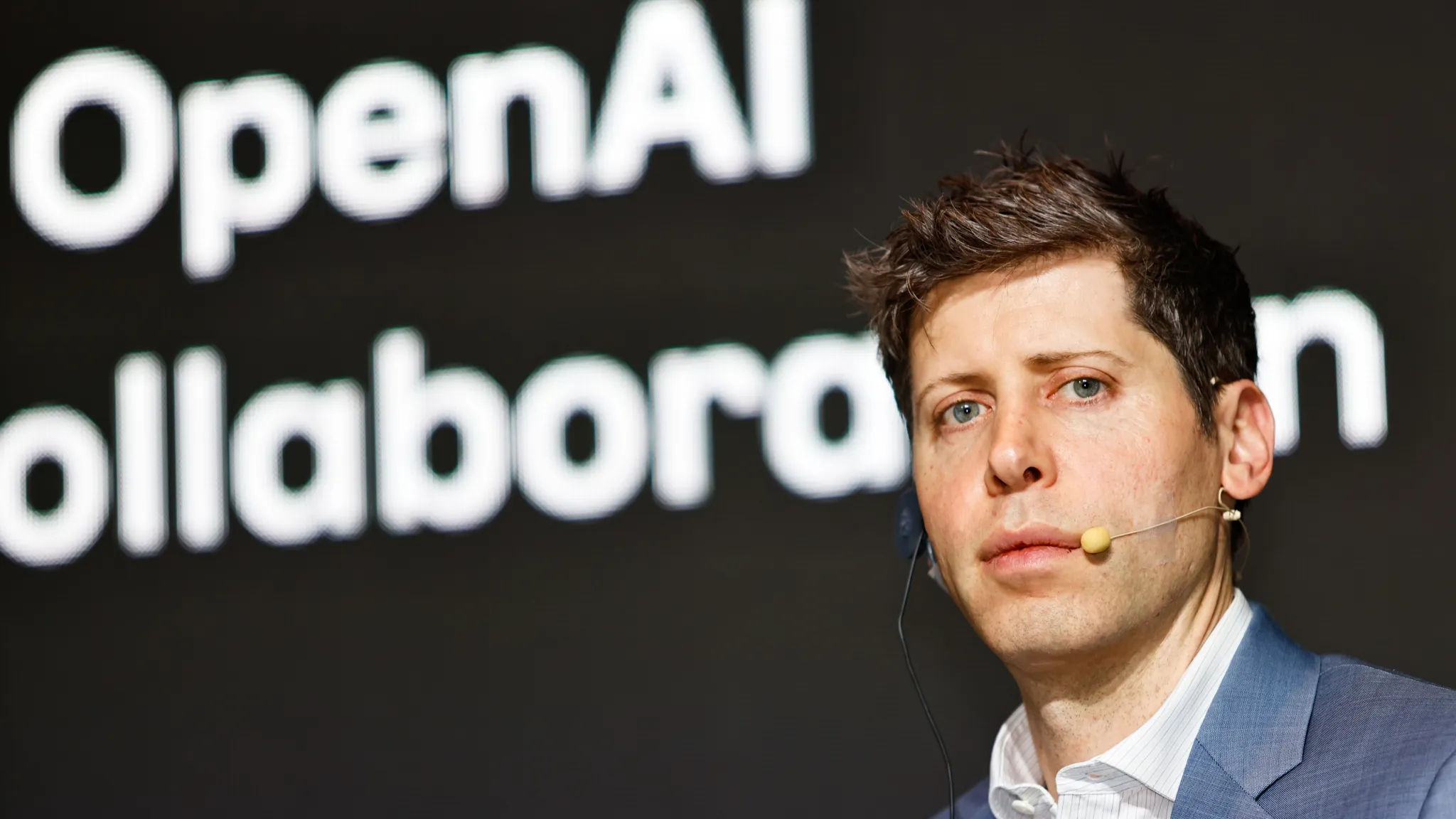

Sam Altman Confronts Backlash Over GPT-5 Rollout, Unveils Expanding Vision During AMA
In a recent Ask Me Anything (AMA) session on a popular platform, Decrypt, Sam Altman, the CEO of OpenAI, faced a fiery audience as he addressed the criticisms surrounding the controversial rollout of GPT-5, the latest iteration of the groundbreaking AI language model series. While the session was aimed at quelling concerns, it also provided Altman with a platform to unveil his broader vision for the future of artificial intelligence and its integration into everyday life.
Key Takeaways
Background of the Controversy
The release of GPT-5 was met with a mix of awe and alarm. AI enthusiasts and tech professionals marveled at the model’s advanced capabilities, including significantly improved language understanding and generation, which now could contextually grasp subtler nuances and generate outputs that rivaled professional human work in quality. However, the enthusiasm was not universal.
Critics voiced concerns over the potential misuse of the technology, citing increased capabilities for generating misleading information, impersonating individuals, and automating deceit at scale. There were also fears about job displacement in fields that rely heavily on language processing and generation, such as customer service, content creation, and even some areas of legal and educational professions.
Altman’s Response During the AMA
During the AMA, Altman acknowledged these concerns, emphasizing that OpenAI takes ethical considerations seriously. “Our goal is to advance AI in a way that is beneficial to humanity, and a large part of that is managing the risks that come with it,” Altman stated.
He highlighted the safety measures that OpenAI had implemented with the launch of GPT-5, including more stringent content filters and usage monitoring to prevent abuse. Altman was candid about the challenges, admitting that although not completely foolproof, these measures are part of an ongoing effort to balance innovation with responsibility.
Unveiling a Broader Vision
Beyond addressing the immediate backlash, Altman was keen to shift the focus towards the expansive potential of GPT-5 and future iterations. He outlined a vision where AI could democratize expertise and assist in solving pressing global issues such as climate change, disease, and inequality.
“Imagine a world where personalized education is accessible to every child, where AI assists in pioneering medical research, or where small businesses can access the same resources and advice as top-tier corporations,” Altman proposed.
To mitigate the risks and ensure equitable benefits, Altman suggested an increased collaboration between AI developers, policymakers, and global institutions. He also hinted at potential new governance frameworks that could evolve alongside AI advancements to better ensure that these technologies are used ethically and beneficially.
The Future of OpenAI
The AMA concluded with Altman reiterating OpenAI’s commitment to transparency and ethics in AI development. He mentioned ongoing projects aimed at improving the robustness and fairness of AI models and their decision-making processes.
Despite the challenges, the session underscored a palpable sense of optimism about the future of AI under Altman’s leadership. As OpenAI continues to push the boundaries of what artificial intelligence can achieve, the tech community and the broader public are keenly watching. Whether this optimism can be maintained will largely depend on the company’s ability to responsibly harness AI’s vast capabilities while effectively managing the social and ethical implications that come with it.
In essence, the AMA didn’t just serve as a damage control session but as a bold forecast of a technologically advanced future, driving home the point that while AI can pose risks, its managed progression could lead to unprecedented benefits.
Related: More from Ethereum News | Tether hires Deloitte for first USUST reserve report in Ethereum | Ethereum Requires $1.8K to Stabilize Avoiding Breakdown