


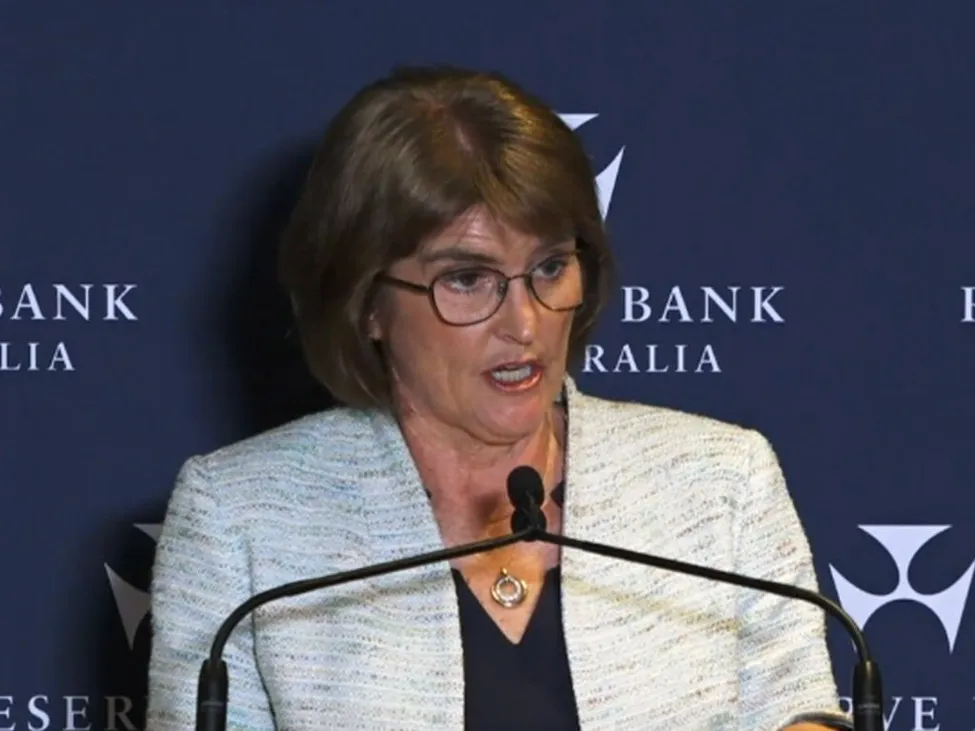

Headline: RBA Minutes Point to Balanced Stance as Stronger Data Blunts Case for Cuts

Key Takeaways
Australia’s central bank signaled a steadier hand on interest rates, with the Reserve Bank of Australia (RBA) minutes from the November 3–4 meeting indicating policymakers are prepared to hold the cash rate longer if the economy continues to outperform. While the board still sees scenarios where additional easing could be warranted, the tone reflects growing confidence in demand and a resilient housing market.
The RBA judged the current 3.6% cash rate to be “slightly restrictive,” yet acknowledged that firmer consumer spending and a rebound in housing credit may mean policy is not as tight as previously assumed. After three cuts earlier this year, the board left rates unchanged in November, citing elevated inflation, stronger-than-expected demand, and renewed momentum in housing. Members stressed they can be patient as fresh data clarify spare capacity, labor market dynamics, and the true degree of policy restrictiveness. The minutes noted a touch more underlying inflation pressure than earlier assessed, with inflation projected to hover above the 2–3% target band until mid-2026.
Labor market signals have also shifted. October employment rose strongly and the unemployment rate dipped to 4.3%, prompting markets to trim expectations for near-term cuts. Even so, the RBA emphasized its flexibility: if growth falters or the labor market softens materially, further easing remains on the table. The Australian dollar is seen trading near fair value, and while global downside risks have eased, the bank still expects global growth to slow in the second half of 2025.
Key Points: – RBA minutes signal a more balanced monetary policy stance after the November 3–4 meeting. – Cash rate held at 3.6%, viewed as slightly restrictive amid firmer demand and rising housing credit. – Inflation seen staying above the 2–3% target until mid-2026, with modestly higher underlying pressure. – Strong October jobs data and a 4.3% unemployment rate reduced market bets on further near-term cuts. – Policymakers remain data-dependent and open to easing if growth or employment weaken. – Australian dollar judged near fair value; global growth expected to slow in H2 2025.