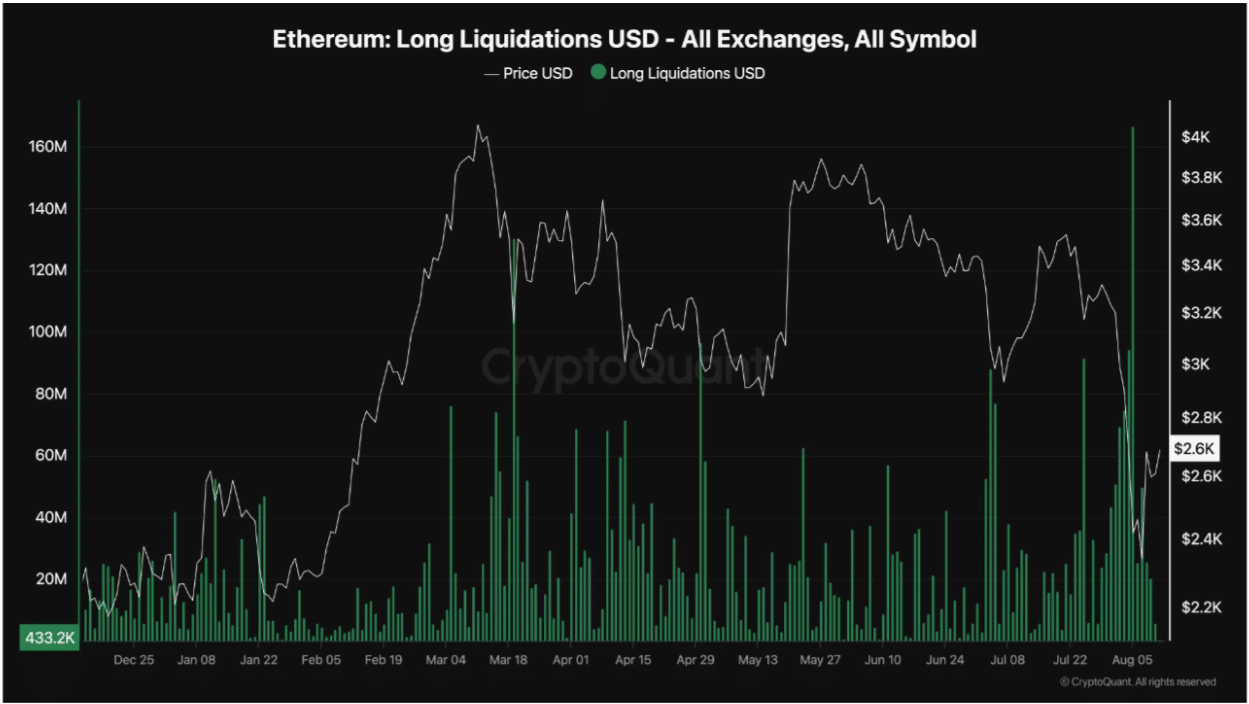

In the rapidly evolving world of cryptocurrency, recent events have spotlighted **Ethereum liquidations** as a critical area of concern for investors and traders alike. Just within the past hour, the overall liquidations across the network surged past 50 million USD, with ETH liquidations alone accounting for a significant 22.8 million USD. This spike comes amidst a backdrop of volatile market conditions that have seen short positions racking up around 35.42 million USD, while long positions generated about 14.75 million USD in liquidations. Understanding these significant ETH liquidations provides valuable insights into the broader dynamics of the crypto market, influencing not only price movement but also liquidity levels within DeFi platforms. To stay informed, traders should keep a close eye on liquidation statistics and stay updated with the latest DeFi market updates.
The landscape of liquidations in the cryptocurrency realm is complex and multifaceted, particularly when it comes to Ethereum’s market movements. These occurrences of forced selling, often referred to as crypto liquidations, play a pivotal role in shaping investor sentiment and market behavior. With recent reports highlighting substantial figures in ETH liquidations, alongside those pertaining to BTC liquidations, the interaction between these digital assets can cause ripple effects throughout the DeFi ecosystem. As market participants navigate these volatile conditions, staying informed about liquidation trends and statistics becomes essential for making strategic investment decisions. By exploring the detailed mechanics of such liquidations, we can gain clearer insights into the underlying forces driving the current market flux.
Understanding Ethereum Liquidations
Ethereum liquidations have emerged as a significant aspect of the crypto trading landscape, especially during volatile periods. In the past hour alone, ETH liquidations accounted for a staggering 22.8 million USD. This amount represents a critical indicator of market sentiment and trader behavior, highlighting the impact of price movements on liquidation events in the DeFi ecosystem.
Liquidations occur when traders fail to meet margin calls, leading their positions to be forcibly closed to cover losses. The rise in ETH liquidations often correlates with sharp market fluctuations, where leveraged positions are liquidated to protect the integrity of exchanges. Keeping track of ETH liquidations can provide traders with insights into market trends and help them make informed decisions.
Recent Crypto Liquidations Overview
In the last hour, the crypto market experienced total liquidations surpassing 50 million USD, a stark reminder of the high stakes involved in crypto trading. Out of this, short positions faced the brunt with around 35.42 million USD, while long positions contributed approximately 14.75 million USD. Such substantial liquidations signify the heightened market activity and the potential for rapid price changes that traders must navigate.
Analyzing liquidation statistics is essential for understanding the risks associated with trading in volatile markets like cryptocurrency. With ETH and BTC liquidations contributing significantly to the total, traders can gauge the overall market health and determine their engagement strategies accordingly. As the DeFi landscape evolves, monitoring these liquidation events will become increasingly vital.
The Role of BTC Liquidations in Market Dynamics
BTC liquidations also play a critical role in the overall liquidations landscape, currently reflecting a figure of 17.36 million USD. As Bitcoin remains the dominant cryptocurrency, its liquidation statistics can influence broader market trends, setting the tone for altcoins like Ethereum. Traders often watch BTC prices closely, as significant price drops can trigger widespread liquidations across multiple assets.
The interconnectedness of the crypto market means that BTC liquidations can have ripple effects, impacting the liquidity and stability of other cryptocurrencies. Understanding these dynamics can help traders mitigate risk and optimize their investment strategies, especially in uncertain market conditions where liquidation events can escalate.
Impact of Liquidation Statistics on Trading Strategies
Liquidation statistics provide traders with invaluable information regarding market sentiment and potential future movements. By analyzing trends in ETH and BTC liquidations, traders can identify patterns that may signal upcoming price shifts. For instance, a sudden spike in liquidations might indicate panic selling, prompting traders to reassess their strategies and position sizes.
Having a clear understanding of liquidation statistics equips traders with the knowledge necessary to strategically enter or exit positions. This analytical approach is particularly important in the ever-evolving DeFi market, where rapid price changes can lead to significant financial repercussions.
Navigating the DeFi Market Amid Liquidation Events
The DeFi market is known for its volatility, and the recent surge in liquidations serves as a reminder of the risks involved. As liquidations exceeded 50 million USD, traders must navigate this complex environment with caution. Strategies such as employing stop-loss orders and managing leverage effectively can help mitigate the risks associated with potential liquidation events.
Furthermore, understanding the liquidity pools and the mechanisms of various DeFi platforms can aid traders in making more informed decisions. As liquidations indicate shifts in market sentiment, staying updated with DeFi market updates can give traders a competitive advantage in anticipating trends and adjusting their strategies accordingly.
The Significance of Short and Long Positions
The division between short and long liquidations is crucial for understanding trader sentiment. In the latest liquidation statistics, short positions accounted for a larger portion, highlighting a bearish sentiment among traders. This distinction can signal whether market participants are anticipating a downturn or rally, making it a vital factor for strategic decision-making.
Recognizing the implications of short and long positions helps traders align their strategies with prevailing market trends. When short positions dominate, as seen during the recent liquidation events, it can suggest confidence in a price decline, whereas a rise in long liquidations could imply a reversal of market sentiment.
Strategies to Minimize Liquidation Risks
To minimize risks associated with liquidations, traders must focus on risk management strategies. Leveraging lower margin levels, diversifying positions, and maintaining a strong understanding of market conditions can significantly reduce exposure to liquidation events. Regularly assessing liquidation statistics also allows traders to adjust their strategies in alignment with market movements.
Moreover, utilizing tools and resources that provide insights into liquidation events can bolster a trader’s preparedness. Monitoring market trends through real-time analytics enables traders to react swiftly to changing dynamics, helping them navigate the complexities of the cryptocurrency market with greater effectiveness.
Predicting Future Liquidation Trends
Predicting future liquidation trends requires a combination of market analysis, sentiment assessment, and understanding of broader economic factors. As seen with the recent focus on ETH and BTC liquidations, fluctuations in investor confidence can lead to dramatic shifts in liquidation patterns. By analyzing past activity and current market sentiment, traders can develop hypotheses about potential future movements.
Incorporating both technical analysis and fundamental insights can sharpen predictions regarding liquidation potential. Keeping an eye on major market drivers, such as policy changes or macroeconomic shifts, will further enhance traders’ ability to anticipate liquidation events and their implications.
Staying Informed with DeFi Market Updates
Staying updated with DeFi market updates is crucial for informed trading. As the landscape evolves rapidly, regular insights into liquidation statistics and broader market conditions empower traders to adjust their strategies. Following reputable news sources and platforms that track liquidation data can provide valuable information that impacts trading decisions.
Engaging with communities, participating in discussions, and leveraging analytical tools can also enrich a trader’s understanding of the DeFi marketplace. This ongoing education enables traders to develop a well-rounded approach to tackling the challenges posed by liquidations and other market events.
Frequently Asked Questions
What are Ethereum liquidations and why do they occur?
Ethereum liquidations refer to the forced closure of leveraged positions in the ETH market, typically triggered when the market price drops significantly. These liquidations occur to cover loan collateral when the value of the crypto falls below a required threshold, resulting in the automatic sale of assets to recover lent funds.
How much were ETH liquidations in recent reports?
Recently, ETH liquidations surpassed 22.8 million USD, contributing to a total liquidation amount exceeding 50 million USD across the entire crypto network.
What impact do Ethereum liquidations have on the crypto market?
Ethereum liquidations can lead to increased market volatility, as forced selling of ETH positions contributes to further price declines. This, in turn, can trigger more liquidations, creating a cascading effect throughout the market.
How do ETH liquidations compare to BTC liquidations?
In a recent reporting period, ETH liquidations totaled 22.8 million USD, while BTC liquidations were reported at 17.36 million USD. This suggests that ETH may have experienced a higher degree of market pressure compared to BTC at that time.
What are some common causes of DeFi market liquidations?
Common causes of DeFi market liquidations include sharp declines in asset prices, increased leverage among traders, and sudden market news that triggers panic selling. In the recent report, the total liquidations reached 50.17 million USD, indicating a volatile trading environment.
Where can I find the latest liquidation statistics for Ethereum?
For the latest liquidation statistics for Ethereum, platforms like Coinglass provide real-time data and insights into ongoing trends, including total liquidations and breakdowns by asset such as ETH and BTC.
How do ETH liquidations affect DeFi protocols?
ETH liquidations can significantly impact DeFi protocols by increasing the risk of insolvency among lenders and altering liquidity levels. When liquidations occur, it can lead to a reduction in collateral value and affect the overall stability of DeFi markets.
| Type of Liquidation | Amount (USD) |
|---|---|
| Total Liquidations | 50.17 million |
| Short Positions | 35.42 million |
| Long Positions | 14.75 million |
| ETH Liquidations | 22.8 million |
| BTC Liquidations | 17.36 million |
Summary
Ethereum liquidations have seen significant activity recently, with total liquidations across the network exceeding 50 million USD in just one hour. Specifically, ETH liquidations accounted for 22.8 million USD, highlighting the market’s volatility and the potential risks traders face. This surge in liquidations, particularly from short positions, reveals the dynamic nature of Ethereum trading and the ongoing fluctuations that can impact investor sentiment. Understanding these liquidations is crucial for traders navigating the Ethereum market.
Related: More from Ethereum News | World Liberty Financial Links Staking to Voting: USD1 Supply Exceeds $4.7B | Ethereum Transforms into High