

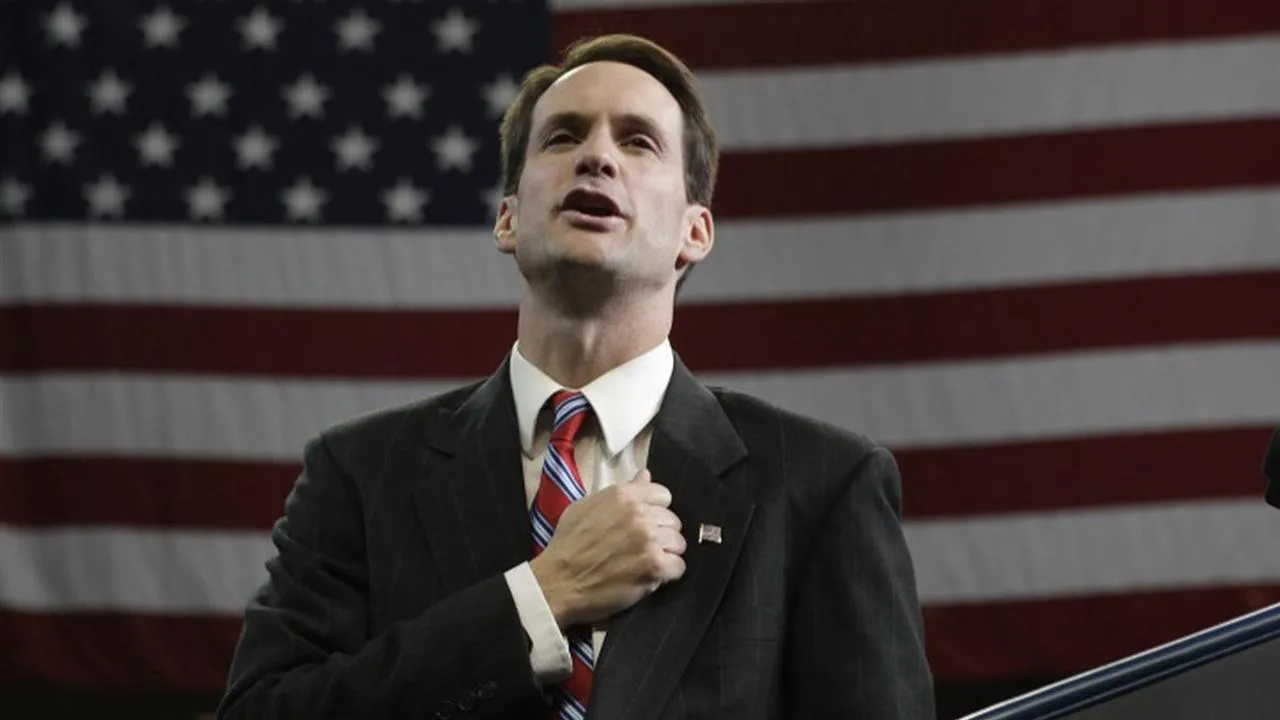

In a move that underscores the growing scrutiny on cryptocurrency trading within the corridors of power, a Democratic lawmaker is seeking to ban politicians from engaging in crypto trades. This initiative follows a controversial pardon granted to the Binance founder, highlighting the intertwining of cryptocurrency and political influence.
Key Takeaways
The proposed legislation aims to address potential conflicts of interest and enhance transparency in financial dealings of public officials. The call for stricter regulations comes at a critical juncture, as cryptocurrencies continue to sway significant economic and political leverage. The proponent of the ban argues that active trading in digital currencies by politicians could lead to decisions influenced more by personal financial outcomes rather than public benefit.
Background: The Binance Pardon Controversy
The story gained traction after the founder of Binance, one of the largest cryptocurrency exchanges globally, received a pardon under circumstances that raised eyebrows across political and financial spectrums. Critics argue that the pardon was influenced by the founder’s significant political donations and lobbying efforts, which they see as indicative of a broader issue of how cryptocurrency wealth can be leveraged for political influence.
Implications for Political Ethics and Transparency
The proposed ban on crypto trading by politicians is seen as a step towards restoring public confidence in governmental decision-making. Advocates of the ban assert that allowing politicians to trade cryptocurrencies can lead to a conflict of interest, particularly when they could pass laws affecting the value of their investments.
Moreover, the opacity of crypto transactions, which can be difficult to trace compared to traditional financial activities, poses another layer of potential ethical challenges. This opacity can make it harder to hold public officials accountable if they engage in transactions that might benefit them personally at the expense of public good.
Response from the Political Arena
The proposal has ignited a debate among lawmakers. Some support the call for a trading ban, noting that traditional investments are often subject to strict scrutiny to avoid conflicts of interest, and cryptocurrency should be no different. Others argue that such a ban is an overreach and infringes on personal freedoms.
Criticism also comes from those who feel that the proposed ban could stifle the understanding and adoption of new technologies among lawmakers, potentially leading to ill-informed regulations down the line.
Economic and Technological Context
This legislative move also comes at a critical time when the global economy is increasingly interacting with cryptocurrencies, which are becoming impossible to ignore. Nations are grappling with how to integrate these digital assets into their fiscal frameworks in a way that safeguards interests and stimulates economic growth.
On the technological front, the rapid evolution of blockchain technologies, which underpin cryptocurrencies, proves both an opportunity and a challenge. There is a pressing need for lawmakers to understand and keep pace with these advances, which could fundamentally transform sectors far beyond finance.
Conclusion
The push to ban crypto trading among politicians is reflective of a larger trend towards greater regulatory scrutiny over how new financial technologies are changing the political landscape. As cryptocurrencies continue to grow in prominence, the ethical considerations surrounding their influence are expected to spur further debates and legislative measures.
While the effectiveness and fairness of such a trading ban are up for debate, it certainly marks a significant moment in the convergence of technology, law, and politics. How legislators handle this thorny issue may well set important precedents for the future of digital currency regulation and political ethics.
Related: More from Regulation & Policy | Trump backs Clarity Act, criticizes banks for undercutting GENIUS in Crypto Regulation | Paul Atkins: Trumps Crypto Legacy in Crypto Regulation