

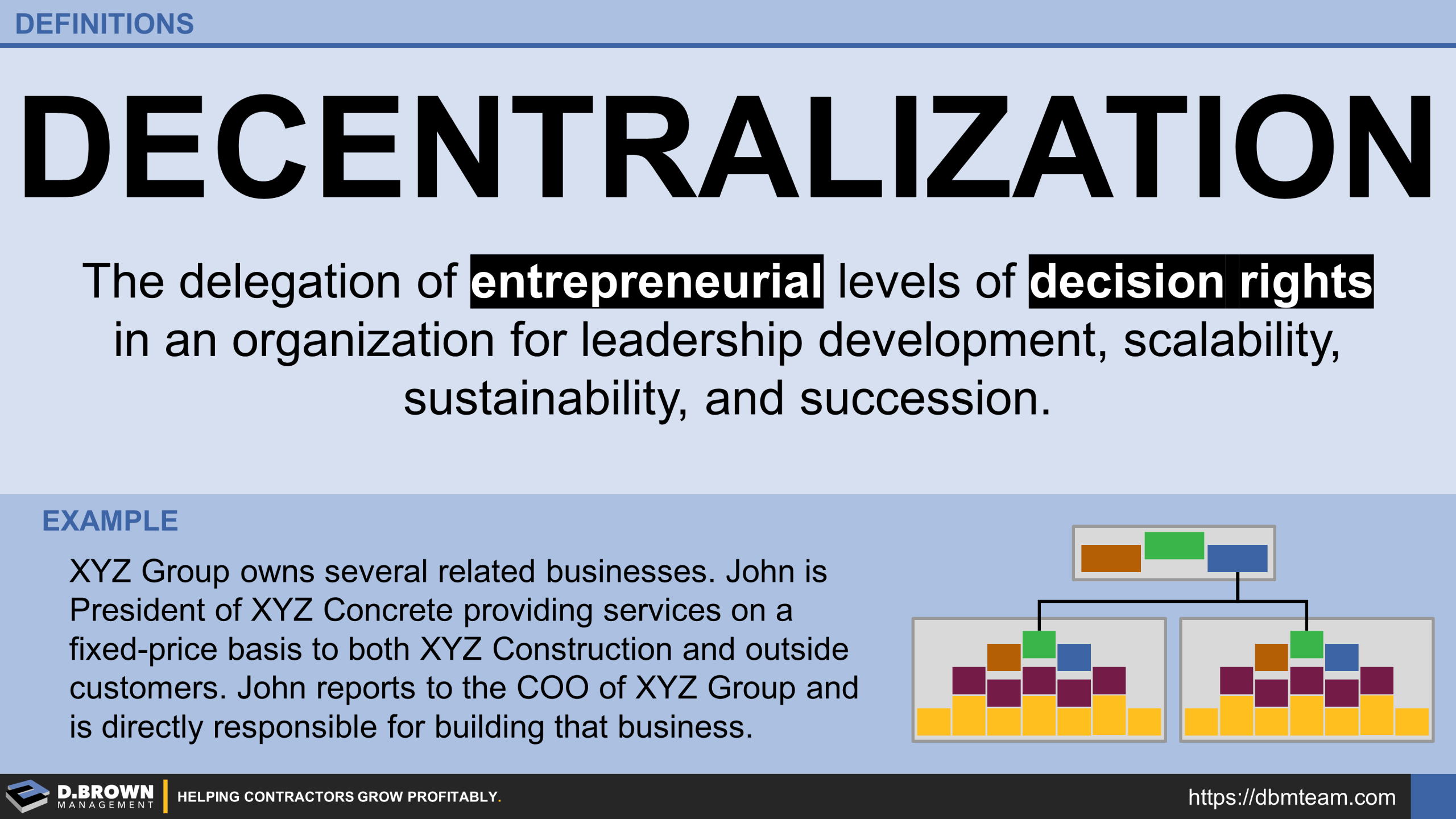

Decentralization is a concept that empowers individuals by promoting freedom of choice and breaking away from centralized thinking. In an increasingly connected world, the essence of decentralization lies in allowing diverse voices and community dynamics to flourish. Embracing a decentralized mindset encourages individuals to make their own decisions without imposing conformity on others. This empowerment not only fosters creativity and innovation but also respects the rights of individuals to form their own communal bonds. Ultimately, decentralization stands as a testament to personal autonomy, where each individual’s choices contribute to a richer, more vibrant social landscape.

Exploring alternatives to centralized structures reveals the importance of distributing power and responsibilities across various levels of society. Terms like distributed governance and localized decision-making encapsulate the essence of decentralization, highlighting the shift from a singular authority to a more collaborative approach. This paradigm encourages personal accountability and enhances community engagement, allowing group dynamics to reflect the diverse preferences of their members. By shifting focus from a centralized model to one that values individual choices, societies can cultivate environments in which all voices are heard and respected. Ultimately, this redefined perspective on organization fuels innovation and strengthens the social fabric.
Understanding Decentralization and Centralized Thinking
Decentralization is a concept that emphasizes the distribution of authority and decision-making across a wider array of participants, allowing for a diversity of voices and perspectives. In contrast, centralized thinking focuses on a hierarchical approach where decisions are made by a select few, which can lead to rigidity and conformity. This reflection is particularly relevant in discussions about community dynamics, where the tension between centralized and decentralized approaches can elucidate broader social and organizational behaviors.
Complaining about others for not embracing decentralization often signals a deeper issue related to centralized thinking. When individuals express dissatisfaction or frustrations towards others’ choices, they inadvertently reveal their desires for control. A decentralized mindset acknowledges that each individual has the freedom of choice to either centralize their efforts or pursue a more independent path. This freedom fosters richer community dynamics as various choices coexist, enriching the collective landscape.
Embracing Individual Choices in a Decentralized World
In a decentralized environment, individual choices are paramount. This allows for a plethora of approaches and solutions to emerge, reflecting the diverse perspectives of community members. In fact, allowing people the freedom to choose leads to a more vibrant and flourishing community dynamic. Everyone’s decision to either work alone or come together is a part of the larger decentralized framework that respects each person’s autonomy.
When we discuss individual choices within a decentralized setting, we recognize that not everyone’s path will look the same. Some might opt for collaborative efforts, leaning towards a form of centralization, which is still valid within a decentralization paradigm. This coexistence does not diminish the decentralized mindset but rather highlights the beauty of freedom of choice, where individuals can explore their unique preferences without external judgment or resentment.
The Impact of Centralized Thinking on Community Dynamics
Centralized thinking can significantly skew the balance of community dynamics, often leading to frustration and conflict. When individuals criticize others for not adhering to decentralized principles, they may inadvertently inhibit the open exchange of ideas and inhibit collaboration. This centralized approach stifles innovation as individuals may feel compelled to conform to a singular narrative rather than embracing the diversity that decentralization offers.
Community dynamics thrive on a spectrum of choices and perspectives. By shifting away from a centralized mindset, individuals can better appreciate the value that each person brings to the table. It’s essential to foster an environment where decentralized thinking is celebrated, encouraging a culture that respects individual choices while allowing diverse modes of collaboration to flourish.
Freedom of Choice: A Core Principle of Decentralization
Freedom of choice is fundamentally intertwined with the principles of decentralization. It allows individuals to chart their own paths, make independent decisions, and contribute uniquely to their communities. This flexibility is what makes a decentralized structure so appealing. It empowers people to articulate their needs and preferences without the constraints imposed by a centralized authority.
The acknowledgment of freedom of choice not only enhances personal fulfillment but also enriches the community as a whole. Each individual’s unique choices can lead to innovative solutions, varied perspectives, and enriched cultural dynamics within a decentralized ecosystem. Here, the celebration of individual contributions fosters a stronger collective identity, promoting cooperation alongside the freedom to diverge.
Decentralized Mindset: Moving Beyond Complaints
A decentralized mindset encourages individuals to embrace a forward-thinking approach rather than dwelling on complaints about others. Instead of focusing on what is perceived as a failure to decentralize, individuals can cultivate their own unique contributions. This shift signifies an understanding that decentralization allows for variation and that differing paths can coexist harmoniously in the same space.
When one adopts a decentralized mindset, it naturally leads to reduced grievances and promotes a more collaborative atmosphere. Complaints about others’ choices become less relevant as individuals prioritize their own involvement and contributions. The emphasis on personal growth and adaptation can invigorate community dynamics, ultimately leading to a more cohesive environment where everyone can thrive.
Community Dynamics in a Decentralized Environment
Community dynamics in a decentralized environment exhibit a rich tapestry of interactions, choices, and collaborations that reflect the diverse needs and desires of its members. Unlike traditional centralized structures, which often create silos, decentralization encourages fluid communication and exchange. This fosters an atmosphere where individuals can express their ideas and engage with others without fear of uniformity, promoting creativity and innovation.
This diversity is essential for the vitality of the community. As members navigate their relationships and collaborations, the decentralized structure offers the flexibility needed to adapt to changing circumstances. Individual choices can lead to new forms of interaction and support, creating an ecosystem where every voice matters and contributes to the overall dynamic of the community.
The Role of Individuality in Decentralized Systems
Individuality plays a crucial role in the effectiveness of decentralized systems. Each person brings their unique experiences, skills, and perspectives, enriching the collective environment. When individuals are empowered to make their own choices, it can lead to groundbreaking ideas and techniques, often resulting in advancements that a single viewpoint might overlook.
Moreover, celebrating individuality within decentralized frameworks reinforces the notion that cooperation does not require conformity. Different approaches can yield synergistic benefits, where diverse contributions lead to optimized outcomes. Ultimately, embracing individuality enhances the overall strength of the community, showcasing the power of collective diversity.
Contrasting Centralized and Decentralized Approaches
Contrasting centralized and decentralized approaches reveals fundamental differences in governance, collaboration, and creativity. Centralized systems often emphasize control and uniformity, potentially stifling innovation and adaptability. In contrast, decentralized systems thrive on the diverse contributions of each member, paving the way for a more responsive and vibrant community.
Furthermore, decentralization nurtures a sense of ownership and accountability among individuals. When participants feel that their voices matter and their choices are respected, they are more likely to engage actively and creatively. This leads to a more dynamic environment where ideas can flourish without the constraints of hierarchical oversight, showcasing the inherent benefits of a decentralized mindset.
Building a Decentralized Mindset: Tips for Individuals
To cultivate a decentralized mindset, individuals can start by recognizing the value of their own perspectives and the importance of freedom of choice. This involves embracing the idea that no single approach is superior and that each person’s contribution is significant to the overall well-being of the community. Acknowledging this can foster a culture where diverse ideas are welcomed and explored rather than criticized.
Additionally, individuals should practice gratitude for the choices of others. By appreciating the different paths that individuals may adopt within the decentralized framework, we can shift from a competitive to a collaborative mindset. Understanding that each person’s journey contributes to the richness of the community encourages a supportive environment where everyone feels valued.
Frequently Asked Questions
What does decentralization mean in the context of freedom of choice?
Decentralization refers to the distribution of power away from a central authority, allowing individuals and communities the freedom of choice to make their own decisions. This means different people can operate independently, choosing how to organize their lives, engage with others, and participate in society, without being homogenized by centralized control.
How can a decentralized mindset improve community dynamics?
A decentralized mindset fosters community dynamics by encouraging diversity of thought and empowering individuals to make unique contributions. Instead of conforming to a centralized way of thinking, individuals can collaborate and innovate together, enhancing the overall resilience and adaptability of the community.
Why is complaining about others’ lack of decentralization associated with centralized thinking?
Complaining about others not embracing decentralization often reflects a centralized mindset. This attitude shows a desire to impose one’s beliefs on others, seeking control over their choices rather than respecting their individual freedoms. A decentralized perspective would celebrate and acknowledge all forms of organization and choice.
What role do individual choices play in decentralization?
Individual choices are fundamental to decentralization, as they empower people to determine how they wish to act and interact within their communities. Decentralization allows for a variety of decisions and approaches, ensuring that no single method dominates, which enriches the fabric of society by honoring each person’s freedom to choose.
Can a decentralized world coexist with centralized groups?
Yes, a decentralized world can coexist with centralized groups. Decentralization does not eliminate the right for individuals or groups to centralize if they choose. As long as their actions respect the overall principle of individual choice, centralized entities can thrive within a broader decentralized framework, reflecting the true nature of freedom.
How does decentralized thinking challenge traditional power structures?
Decentralized thinking challenges traditional power structures by questioning the legitimacy of centralized authority. It promotes the idea that power should be spread out and shared rather than concentrated, encouraging a collaborative rather than hierarchical approach to governance and decision-making.
| Key Point | Explanation |
|---|---|
| Complaints Reflect Centralized Thinking | Complaining about others’ lack of decentralization shows a desire to control them, indicating a centralized mindset. |
| Individual Choices in Decentralization | Decentralization allows people to make their own choices; it’s not about forcing conformity. |
| Freedom to Centralize | People have the freedom to choose to centralize as well, which is a part of a decentralized system. |
| Mindset Shift | A truly decentralized mindset would not involve complaints about others’ choices regarding decentralization. |
Summary
Decentralization is a vital concept that emphasizes individual freedom and choice. It encourages people to embrace their unique paths and not impose their beliefs on others. When one complains about others not being decentralized, it often stems from a desire to control or change perspectives, which contradicts the very principles of decentralization itself. Understanding that everyone has the freedom to organize themselves, whether that means centralizing or decentralizing, is crucial in fostering a truly decentralized environment.
Related: More from Ethereum News | Google Cloud, MoneyGram Join New Privacy Network Bank Initiative | Ethereum Network Transactions Hit New Record: What It Means for You