
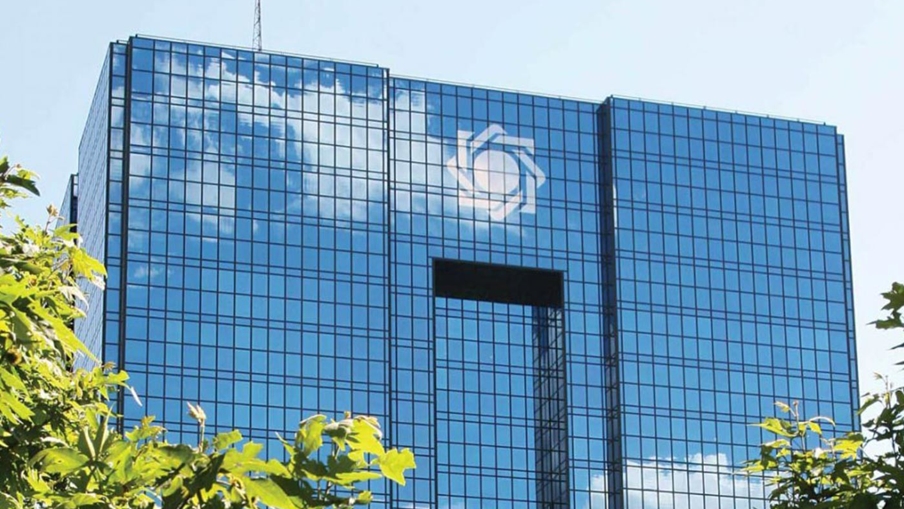

The Central Bank of Iran USDT transactions have sparked significant interest in the realm of cryptocurrency as the nation seeks to stabilize the Iranian rial exchange rate. In a bold move, the Central Bank of Iran acquired over $500 million in USDT last year, illustrating its strategic push towards embracing digital currencies amid economic pressures. Research by blockchain intelligence firm Elliptic confirms that these USDT movements have been traced beyond Iranian wallets, highlighting a sophisticated approach to cryptocurrency broker interactions, particularly with entities like Modex. Furthermore, the implications of these transactions extend to the broader landscape of Iran cryptocurrency transactions, where digital assets are increasingly becoming tools for economic resilience. As the global landscape evolves, monitoring the intersection of central banking and cryptocurrencies in Iran offers vital insights into the future of digital finance.
Recent activities involving USDT by Iran’s financial authorities underscore a pivotal transition in the nation’s economic strategies. These transactions, facilitated by the Central Bank of Iran to defend the value of the Iranian rial, showcase the government’s innovative use of digital currencies. Blockchain intelligence data from Elliptic reveals that significant amounts of USDT have moved from Iranian-controlled wallets, suggesting an organized effort to navigate external financial challenges. The involvement of Modex, a notable cryptocurrency broker, further emphasizes the role of digital asset platforms in supporting such governmental initiatives. This trend marks an important chapter in the evolution of Iran’s economic policies and its approach to managing currency dynamics in the digital age.
| Key Point | Details |
|---|---|
| Acquisition of USDT | The Central Bank of Iran acquired over $500 million in USDT. |
| Purpose of Acquisition | The primary goal was to support the exchange rate of the Iranian rial. |
| Source of Information | Research by blockchain intelligence company Elliptic provides insights into the transactions. |
| Transaction Status | All confirmed USDT transactions successfully left wallets associated with Iran. |
| Allegations of Trading Process | Leaked documents indicate purchases were made through an entity called Modex. |
| Connection to Cryptocurrency Broker | Modex is suggested to be a broker potentially trading with the Iranian government. |
Summary
Central Bank of Iran USDT transactions have raised concerns regarding the country’s financial strategies in the global market. The acquisition of over $500 million in USDT was aimed at stabilizing the Iranian rial amidst economic challenges. Additionally, the findings from Elliptic reveal that these transactions have been conducted transparently, leaving Iranian wallets. The implications of such actions, especially concerning potential partnerships with cryptocurrency brokers like Modex, could attract international scrutiny as Iran continues to navigate financial sanctions.
Central Bank of Iran USDT Transactions and Their Impact
In a significant move, the Central Bank of Iran acquired over $500 million in USDT last year to bolster the Iranian rial’s exchange rate. This strategic decision highlights the growing importance of cryptocurrencies in state-level financial operations, particularly in nations facing economic sanctions. The influx of USDT transactions reflects a notable shift in Iran’s approach to stabilizing its currency amidst ongoing financial challenges and inflationary pressures.
The transactions involving USDT, which is a stablecoin pegged to the US dollar, have allowed Iran to mitigate some of the adverse effects of economic isolation. According to research conducted by blockchain intelligence firm Elliptic, all confirmed transactions from these USDT purchases have successfully exited wallets linked to Iran. This suggests an organized strategy by Iranian authorities to implement cryptocurrency as a tool for improving their economic conditions and facilitating international trade.
The Role of Modex in USDT Acquisition for Iran
The entity known as Modex has emerged as a cryptocurrency broker conducting transactions that enable the Iranian government to acquire USDT. Reports indicate that Modex is instrumental in facilitating purchases that directly involve the Central Bank of Iran. This involvement underscores the potential of cryptocurrency markets to serve as alternative financial conduits for countries under strict international sanctions, providing them with necessary liquidity without reliance on traditional financial systems.
As the situation evolves, the role of brokers like Modex becomes increasingly significant, as they navigate the complexities of compliance while providing necessary access to digital assets. Given the Iranian rial’s weakening exchange rate, entities dealing with USDT are positioned at a crucial crossroads where regulatory frameworks and market dynamics intersect. The activities of Modex signal a forward-thinking approach within Iran’s financial ecosystem, potentially setting a precedent for other nations in similar predicaments.
Iran’s Cryptocurrency Transactions: A New Frontier
In recent years, cryptocurrency transactions have gained momentum in Iran, representing a new frontier in the country’s approach to finance. The Central Bank of Iran’s strategic use of USDT for stabilizing the rial is part of a broader trend where cryptocurrencies are employed to circumvent traditional banking difficulties. This shift can be attributed to the increasing adoption of digital currencies among Iranian nationals and the government’s gradual acceptance of their utility in enhancing economic stability.
Furthermore, cryptocurrency brokers like Modex are playing a central role in this emerging market by providing the necessary infrastructure for transactions to occur smoothly and efficiently. As a result, Iran is witnessing a rise in blockchain technology utilization, paving the way for innovative solutions within its financial landscape. The integration of blockchain intelligence tools, such as those offered by Elliptic, further illustrates how Iran can monitor and enhance its cryptocurrency transactions within a rapidly evolving digital economy.
Implications of USDT Usage on Iran’s Financial Landscape
The acquisition of USDT by the Central Bank of Iran has profound implications for the nation’s financial landscape. By leveraging stablecoins, Iran can stabilize its currency and facilitate transactions that are less vulnerable to international sanctions. This strategic pivot indicates a growing reliance on digital currencies as a means of sustaining economic stability, as conventional financial systems may not always extend support to the Iranian economy due to geopolitical issues.
Additionally, with the rise of USDT usage, it is anticipated that more Iranian businesses will begin to accept cryptocurrencies, leading to a broader acceptance of digital currencies within everyday transactions. This evolution could pave the way for enhanced economic activity, particularly in sectors that have previously suffered due to stringent sanctions. As USDT transactions continue to shape Iran’s economic framework, it’s essential to monitor how these developments influence the global cryptocurrency market and local economic conditions.
Blockchain Intelligence in Monitoring Iran’s Cryptocurrency Activities
Blockchain intelligence firms like Elliptic are crucial in monitoring cryptocurrency activities in Iran, particularly with significant transactions like the acquisition of USDT. Their analytical capabilities provide insights into the flow of digital assets and can help ensure that transactions align with global regulatory standards. By employing sophisticated tracking methods, they can identify and mitigate potential compliance risks associated with the Iranian government’s cryptocurrency dealings.
The insights provided by blockchain intelligence play a vital role in understanding the dynamics of Iran’s cryptocurrency activities. They help in assessing the impact of these transactions on both a national and international scale, providing stakeholders with the information needed to navigate the complex laws surrounding cryptocurrency. As Iran continues to integrate digital currency within its economy, the collaboration between financial institutions and blockchain intelligence firms will be paramount in fostering a secure and compliant cryptocurrency environment.
Understanding the Iran Rial Exchange Rate in the Crypto Context
The Iranian rial’s exchange rate has faced significant challenges, leading the Central Bank of Iran to explore innovative solutions such as cryptocurrency transactions. The volatility of the rial has compelled Iranian officials to consider stablecoins like USDT to maintain economic stability. By utilizing USDT, which is pegged to the US dollar, the Central Bank aims to create a buffer against inflation and fluctuations in the traditional currency market.
This new approach signifies a concerted effort by Iranian authorities to leverage the benefits of cryptocurrencies, including liquidity and resilience to market volatility. Observing how the USDT acquisition impacts the rial’s exchange rate could provide valuable insights into the broader economic strategies employed by Iran. The coupling of cryptocurrencies with traditional economies, especially in regions facing financial hardships, marks a significant evolution in how monetary policy is approached.
The Future of Cryptocurrency in Iran: Trends and Predictions
As Iran continues to embrace cryptocurrencies, several trends are emerging that suggest a bright future for digital assets in the region. The effective use of USDT by the Central Bank of Iran signifies a willingness to integrate blockchain technologies into the traditional financial system. This progressive stance could encourage more innovation and entrepreneurship within the country’s tech industry, leading to increased economic development and international partnerships in blockchain technology.
Moreover, as awareness and understanding of cryptocurrencies grow, it’s likely that more sectors within Iran will begin to explore digital currencies as transaction mediums. This shift could foster a more inclusive economic environment where new business models thrive, and cross-border trade becomes more feasible. The adoption of cryptocurrencies could ultimately transform the Iranian economy, positioning it to better withstand external financial pressures and boosting overall economic resilience in the face of uncertainty.
Challenges Faced by Iran in Implementing Cryptocurrency Solutions
While the integration of cryptocurrencies offers numerous advantages for Iran, it does not come without challenges. Regulatory hurdles remain a significant concern, as the Iranian government works to navigate the complex legal landscapes that govern cryptocurrency transactions. Despite the potential benefits of USDT adoption, the lack of a clear regulatory framework could hinder the growth of the cryptocurrency market in Iran and create uncertainty among investors and users alike.
Furthermore, the prevalence of international sanctions complicates Iran’s ability to fully engage in the global cryptocurrency market. The wariness of foreign institutions and crypto exchanges to deal with Iranian entities due to potential regulatory backlash poses an additional challenge. Overcoming these barriers will be crucial for Iran to realize the full potential of cryptocurrency, ensuring that it can effectively stabilize its economy and participate in the broader digital finance movement.
The Importance of Digital Currency in Modern Economies
Digital currencies have rapidly become a vital component of modern economies, influencing how transactions are conducted globally. For countries like Iran, where traditional financial systems are under pressure, the adoption of cryptocurrencies provides an alternative mechanism for conducting trade and sustaining economic stability. This evolution signifies a shift towards a more decentralized financial model that can empower individuals and businesses alike, ushering in greater financial inclusion.
As nations continue to adapt to the digital age, the role of cryptocurrencies in enhancing economic resilience and agility cannot be understated. With the rise of digital assets like USDT, governments around the world, including Iran, may find themselves re-evaluating their monetary policies and engaging in innovative approaches to finance. The future will likely see an increase in the integration of digital currencies into national economies, leading to transformative changes in how global commerce functions.
Exploring the Global Implications of Iran’s Cryptocurrency Adoption
Iran’s adoption of cryptocurrency, particularly the strategic use of USDT, raises important questions about the global financial landscape. As countries explore digital currencies, the implications of Iran’s approach could influence other nations, especially those facing economic sanctions or isolation. By successfully integrating cryptocurrency into their economic strategies, Iran may set a precedent that encourages other governments to pursue similar paths toward financial sovereignty and independence.
Moreover, the ripple effects of Iran’s cryptocurrency dealings could affect global regulatory frameworks as nations revisit their stances on digital assets. The Central Bank of Iran’s significant acquisition of USDT showcases the potential of cryptocurrency to challenge traditional financial systems, prompting more nations to consider how they can leverage the benefits of digital currencies. As this trend continues, engaging in discussions around the ethical and regulatory implications of such practices will be essential in shaping the future of global finance.
Frequently Asked Questions
How did the Central Bank of Iran acquire USDT to support the rial exchange rate?
The Central Bank of Iran acquired over $500 million in USDT last year as part of its strategy to stabilize the Iranian rial exchange rate. This acquisition is part of a broader effort to utilize cryptocurrency transactions for economic support.
What role does Modex play in Central Bank of Iran USDT transactions?
Modex is identified as a cryptocurrency broker that has facilitated USDT acquisitions for the Central Bank of Iran. Leaked documents highlight that transactions involving USDT were processed through this entity, indicating its involvement in supporting Iran’s cryptocurrency initiatives.
What transactions did Elliptic confirm regarding the Central Bank of Iran and USDT?
According to blockchain intelligence company Elliptic, all confirmed USDT transactions associated with the Central Bank of Iran successfully left wallets linked to Iran. This finding illustrates the movement of USDT within cryptocurrency transactions impacting the Iranian economy.
What impact do USDT transactions have on the Iranian cryptocurrency market?
USDT transactions, particularly those conducted by the Central Bank of Iran, significantly impact the Iranian cryptocurrency market by providing liquidity and helping to manage the exchange rate of the Iranian rial amidst economic sanctions.
How does the Central Bank of Iran’s USDT acquisition affect its financial stability?
The Central Bank of Iran’s strategic acquisition of USDT aims to enhance financial stability by directly influencing the Iranian rial exchange rate and boosting investor confidence in a turbulent economic environment.
Related: More from DeFi & Stablecoins | Aixovia Burns 90,357,968 AIXDROP Tokens On-Chain Proof | Arthur Hayes Liquidates DeFi Tokens: A $3.48 Million Loss You Should See