


Browsing: Regulation & Policy
Regulation & Policy tracks legal actions, agency decisions, court milestones, and compliance shifts that shape crypto markets.
This hub highlights what changes in rules and enforcement may mean for liquidity access, listings, and investor behavior.
Related Hubs: Exchange News | Market Analysis | Bitcoin News
FAQ
Do policy updates impact listing and exchange activity?
Yes. Regulatory direction can directly affect listing strategy, product availability, and market participation.
Is this legal advice?
No. Coverage is informational and summarizes publicly relevant developments.
Which related hub should I monitor together?
Combine this hub with Exchange News and Market Analysis for full policy-to-market context.
Related Hubs: Exchange News | Market Analysis | Bitcoin News

The Dubai financial regulatory authority is at the forefront of establishing a robust financial environment within the Dubai International Financial Centre (DIFC).Recently, it has implemented strict regulations banning the use of privacy tokens and mixing services, such as Tornado Cash, to mitigate risks associated with anti-money laundering and compliance with international sanctions.
Stablecoins have emerged as a pivotal force within the cryptocurrency ecosystem, redefined by their potential to combine the benefits of digital assets with the stability of traditional currencies.As we delve into 2025, the landscape of crypto regulation has shifted dramatically, casting stablecoins at the forefront of discussions surrounding financial stability and compliance.
Recent developments in crypto ETF decisions have stirred significant interest among investors and market analysts alike.The SEC’s recent filings have temporarily postponed decisions on the Canary Pudgy Penguins ETF and the T.

South Korea cryptocurrency investment is set to undergo a significant transformation as the Financial Services Commission (FSC) prepares to lift a nine-year ban on corporate digital asset investments.With new guidelines in the pipeline, South Korean corporations will finally gain the green light to invest up to 5% of their equity in approved cryptocurrency assets, marking a pivotal shift in the nation’s approach to digital currencies.

Debanking has emerged as a pressing concern within the financial landscape, with recent findings indicating that government actions are often the key drivers behind these account closures.A report from the Cato Institute reveals that many instances of debanking stem not from the independent choices of financial institutions, but rather from political pressure exerted by government entities.
In a significant move for political funding transparency, UK lawmakers are pushing for a crypto donations ban to be included in the forthcoming elections bill.This initiative is primarily driven by members of the Labour Party, who stress the dangers posed by cryptocurrency in facilitating foreign interference in UK politics.

Digital Securities are revolutionizing traditional finance by transforming tangible assets into tokenized investments on the blockchain.This groundbreaking shift allows assets such as real estate, art, and financial instruments to be fractionalized, making them more accessible to a wider range of investors.
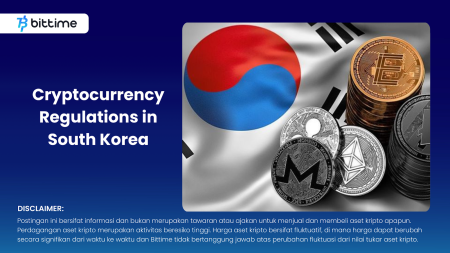
South Korea cryptocurrency regulations have significantly evolved, marking a new era for digital assets in the nation.With the recent endorsement from the Financial Services Commission, publicly listed companies and professional investors are now authorized to engage in cryptocurrency trading South Korea, effectively lifting a nearly decade-long ban.
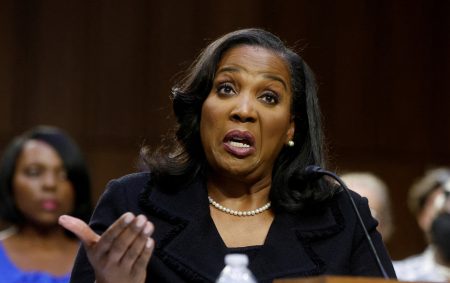
The Federal Reserve investigation into Chair Jerome Powell has sparked significant interest as it shines a light on potential misconduct at the highest levels of monetary policy.Initiated by the U.S.
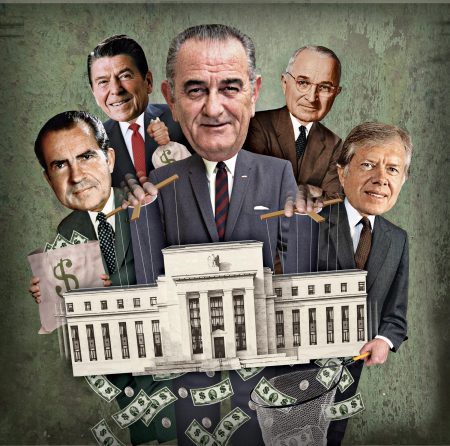
The independence of the Federal Reserve is a cornerstone of American monetary policy, ensuring that decisions regarding interest rates are made based on rigorous economic assessments rather than political pressures.Recently, Federal Reserve Chair Jerome Powell addressed significant concerns surrounding this independence, particularly in light of a grand jury subpoena from the U.S.