


Browsing: DeFi & Stablecoins
DeFi & Stablecoins covers protocol-level updates, stablecoin flows, yield mechanics, and liquidity shifts across on-chain markets.
This hub tracks risks and opportunities tied to collateral quality, peg dynamics, and smart contract exposure.
Related Hubs: Market Analysis | Security & Hacks | Regulation & Policy
FAQ
Do you track stablecoin depeg risk?
Yes. Depeg signals, reserve concerns, and liquidity stress events are monitored closely.
Are protocol exploits included here?
Major incidents appear here and in Security & Hacks when they have broad DeFi relevance.
How should this hub be combined for context?
Pair with Market Analysis for structure and with Regulation & Policy for compliance-related effects.
Related Hubs: Market Analysis | Security & Hacks | Regulation & Policy

The SKYAIUSDT perpetual contract, set to launch on December 5, 2025, at 20:00 (UTC+8) on the BitMart platform, is poised to revolutionize cryptocurrency trading. With the ability to…
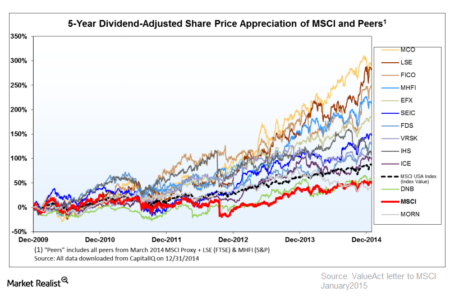
MSCI Strategy Removal Prediction is a hot topic within financial circles, recently highlighted by a report indicating a 72% probability that this strategy will be removed from the…
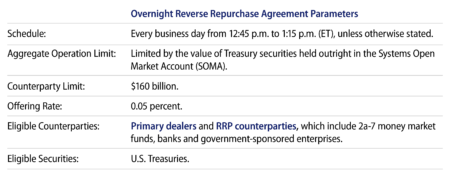
The Federal Reserve reverse repurchase agreement (RRP) has become a focal point in discussions about monetary policy and market liquidity in recent years.Once peaking at over $2 trillion, the RRP balance is now nearly zero, indicating that the Fed’s liquidity buffer has been significantly depleted.

Rupee on edge as RBI seen cutting rates; policymakers prioritize orderly FX over defending levels Traders are braced for the Reserve Bank of India’s policy decision at 04:30…
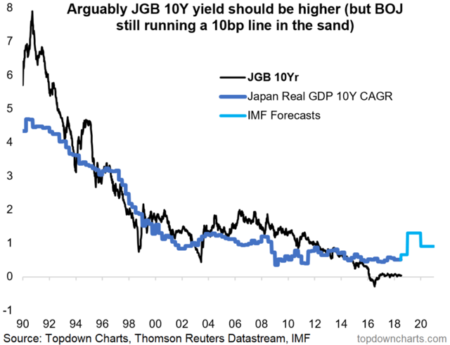
The Japan 10-year government bond yield has recently climbed to an impressive 1.94%, marking its highest point since July 2007.This notable increase in Japanese bond yields signals a pivotal change within the national economy, prompting a reaction from global investors who are keenly observing these developments.
Stablecoins impact on financial sovereignty is rapidly emerging as a critical topic in global finance.According to a recent IMF report on stablecoins, while these digital currencies can enhance access to financial services for individuals, they potentially introduce significant risks related to currency substitution.

Dollar Rebounds as Treasury Yields Climb; Stocks Slip, EUR/USD Pressured The US dollar logged its first gain in a week as Treasury yields pushed higher across the curve,…

USDCAD pops on surprise drop in U.S. jobless claims, but rally stalls at 1.3975 resistance USD/CAD jumped after U.S. initial jobless claims fell far more than expected, firming…

The Aave DAO loan-to-value adjustment marks a significant shift in the cryptocurrency lending landscape, as it has officially approved a proposal to reduce the loan-to-value (LTV) ratio of USDS and DAI collateral to zero across all Aave V3 deployments.This decision comes amidst concerns regarding the narrow yield structure of USDS, along with the identification of asymmetric risks associated with its issuance mechanism.
PBOC sets USD/CNY fix at 7.0733, signaling pushback against yuan’s rapid gains China’s central bank set the yuan’s daily reference rate well above market expectations and injected short-term…