


Browsing: DeFi & Stablecoins
DeFi & Stablecoins covers protocol-level updates, stablecoin flows, yield mechanics, and liquidity shifts across on-chain markets.
This hub tracks risks and opportunities tied to collateral quality, peg dynamics, and smart contract exposure.
Related Hubs: Market Analysis | Security & Hacks | Regulation & Policy
FAQ
Do you track stablecoin depeg risk?
Yes. Depeg signals, reserve concerns, and liquidity stress events are monitored closely.
Are protocol exploits included here?
Major incidents appear here and in Security & Hacks when they have broad DeFi relevance.
How should this hub be combined for context?
Pair with Market Analysis for structure and with Regulation & Policy for compliance-related effects.
Related Hubs: Market Analysis | Security & Hacks | Regulation & Policy
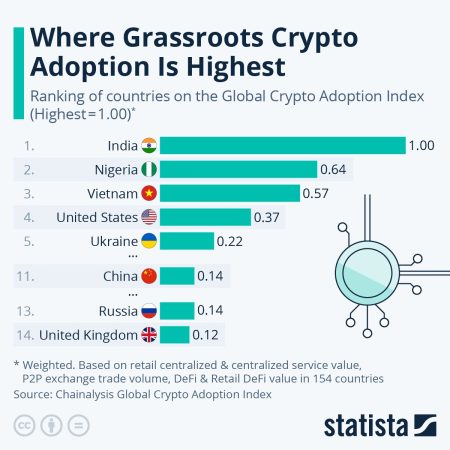
Cryptocurrency adoption is rapidly gaining momentum, demonstrating a significant shift in how institutions view and utilize digital assets.As highlighted in PwC’s “2026 Global Cryptocurrency Regulatory Report,” the moment has arrived when institutions are no longer debating the merits of cryptocurrency assets but are instead focused on the practicalities of their integration into the financial system.
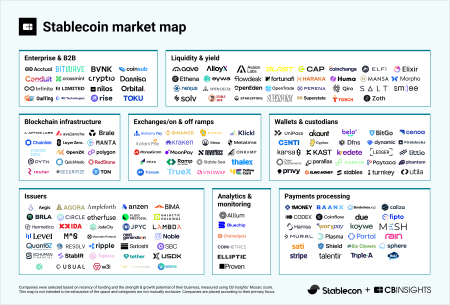
The stablecoin market has encountered significant changes, as institutional compliance costs and rising Treasury yields reshape the dynamics of stablecoin issuance.After a period characterized by rapid growth, the sector is now transitioning to a phase marked by increased scrutiny and balance-sheet discipline.
Circle stablecoin, specifically known as USDC, stands out in the growing landscape of digital currencies as a leading dollar-pegged stablecoin designed to provide neutral and reliable financial infrastructure.Circle’s CEO, Jeremy Allaire, emphasizes that USDC is not just a product but a pivotal component in the evolving stablecoin market, fostering network effects as institutions and developers increasingly adopt it.
Stablecoins are gaining significant traction in the world of cryptocurrency, capturing the attention of both investors and financial technology enthusiasts alike.During a recent interview on Squawk Box at Davos, Circle’s founder and CEO Jeremy Allaire highlighted the importance of these digital assets, noting that they could experience a remarkable compound annual growth rate of 40%.
In an exciting development for the decentralized finance (DeFi) landscape, syrupUSDC is making its way to Coinbase’s Base network.This innovative yield-bearing US dollar token by Maple aims to integrate institutional credit rails, vastly expanding its reach and utility.

Crypto treasuries are rapidly evolving as 2026 approaches, with influential firms like Pantera Capital forecasting a year of intense consolidation within the industry.As digital asset treasury companies mature, a distinct shift is expected, where large entities gain overwhelming control over Bitcoin and Ether treasuries, leaving smaller counterparts vulnerable to acquisition or failure.
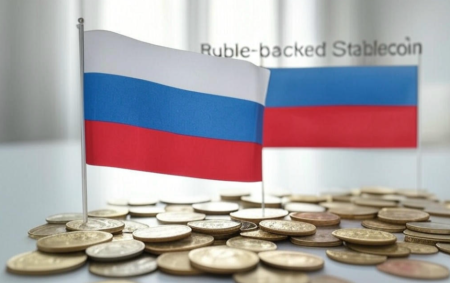
The emergence of a Russian ruble-backed stablecoin represents a significant shift in the financial landscape, especially in light of ongoing geopolitical tensions.This innovative currency, which has processed over $100 billion in on-chain transactions within just a year, has been tailored to operate within sanctioned financial networks, offering a unique solution to businesses seeking to navigate restrictive economic measures.
Sentient (SENT) trading is set to make a significant debut on the Gate exchange, captivating both experienced traders and cryptocurrency enthusiasts alike.Scheduled for launch on January 22, 2026, at precisely 11:47 UTC+8, this eagerly anticipated event will kick off with SENT spot trading starting at 20:00, followed by the introduction of swap trading just one hour later.
The fractional reserve system is a cornerstone of modern banking, where banks keep only a portion of deposits as reserves and lend out the remainder.This underlying structure not only facilitates lending but also exposes the banking system to significant risks, particularly during periods of market volatility, such as the recent crypto liquidity crisis.
Crypto payments are rapidly gaining traction, reshaping how transactions are conducted in today’s digital economy.As blockchain technology continues to evolve, the integration of cryptocurrencies into everyday financial activities is becoming more seamless and efficient.