

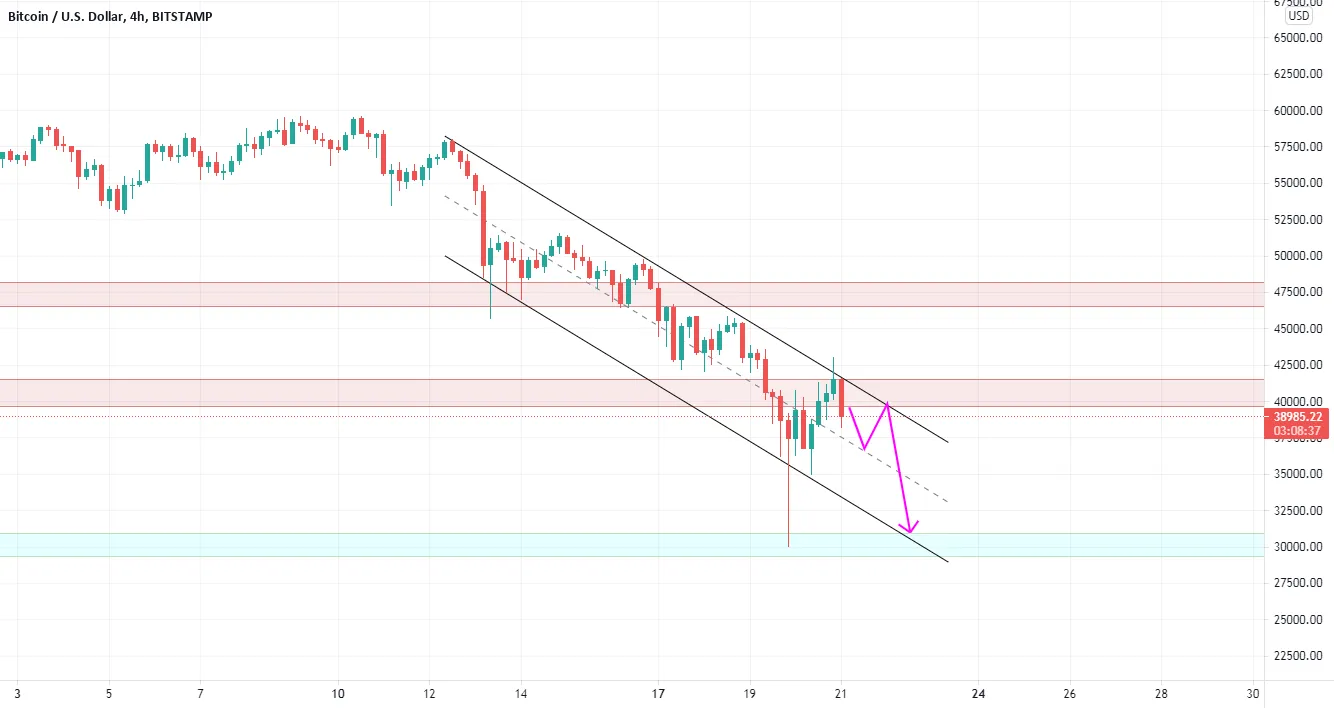

In a dramatic turn of events, the cryptocurrency market is experiencing a significant upheaval as liquidations surpass $2 billion. This surge in liquidations comes as major cryptocurrencies, including Bitcoin and Ethereum, face intense sell-offs.

Bitcoin, the leading cryptocurrency by market capitalization, has continued its downward trajectory, causing alarm and uncertainty among investors. Despite efforts to stabilize the market, Bitcoin has been unable to halt its decline, resulting in widespread fear and speculation about its future prospects.
Simultaneously, Ethereum, another major player in the crypto space, has not been spared from the turmoil. The digital currency recently hit a four-month low, exacerbating the market’s instability. Ethereum’s decline is particularly concerning given its integral role in the decentralized finance (DeFi) sector and its influence over a vast array of blockchain projects.
The $2 billion in liquidations reflect the volatile nature of the cryptocurrency market. Liquidations occur when leveraged positions are automatically closed by exchanges due to partial or total loss of the trader’s initial margin. This phenomenon typically happens when there are sudden price movements that do not favor the trader’s position. In the past 24 hours, as per data from Bybt, about $1.2 billion worth of Bitcoin and $800 million worth of Ethereum have been liquidated, affecting both short and long positions across various exchanges.
This volatility has been further fueled by broader economic indicators and regulatory news that hint at tougher measures on cryptocurrencies in various countries. Additionally, recent comments by influential figures in finance and technology have created uncertainty, leading to reactive sell-offs by investors.
The consequences of these liquidations extend beyond individual portfolios. They have the potential to significantly impact the liquidity of the market and the stability of the underlying blockchain networks. For smaller market players, the high volatility could mean a complete erosion of capital, thereby stificking innovation and participation in the crypto market.
Moreover, this downturn comes at a crucial time when institutional interest in cryptocurrencies had been heightening. Financial products linked to cryptocurrencies are being developed, and traditional finance circles are increasingly warming up to the prospect of including digital assets in their portfolios. The current market conditions could either slow down this adoption or reshape the narratives around it.
Industry experts urge investors to exercise caution and emphasize the importance of risk management strategies in such tumultuous times. Diversification, proper due diligence, and a clear understanding of individual risk tolerance are crucial in navigating the crypto markets.
Moving forward, it remains to be seen how the market will adjust to these conditions. Will there be a quick recovery as witnessed in the past, or is this the beginning of a more sustained period of bearish trends? Either way, the current market dynamics underscore the inherent risks and opportunities within the crypto space, reminding investors of the need for prudence and strategic planning.
As the market continues to evolve, stakeholders from all corners of the industry will be watching closely, ready to adjust their approaches in response to these unpredictable market forces.