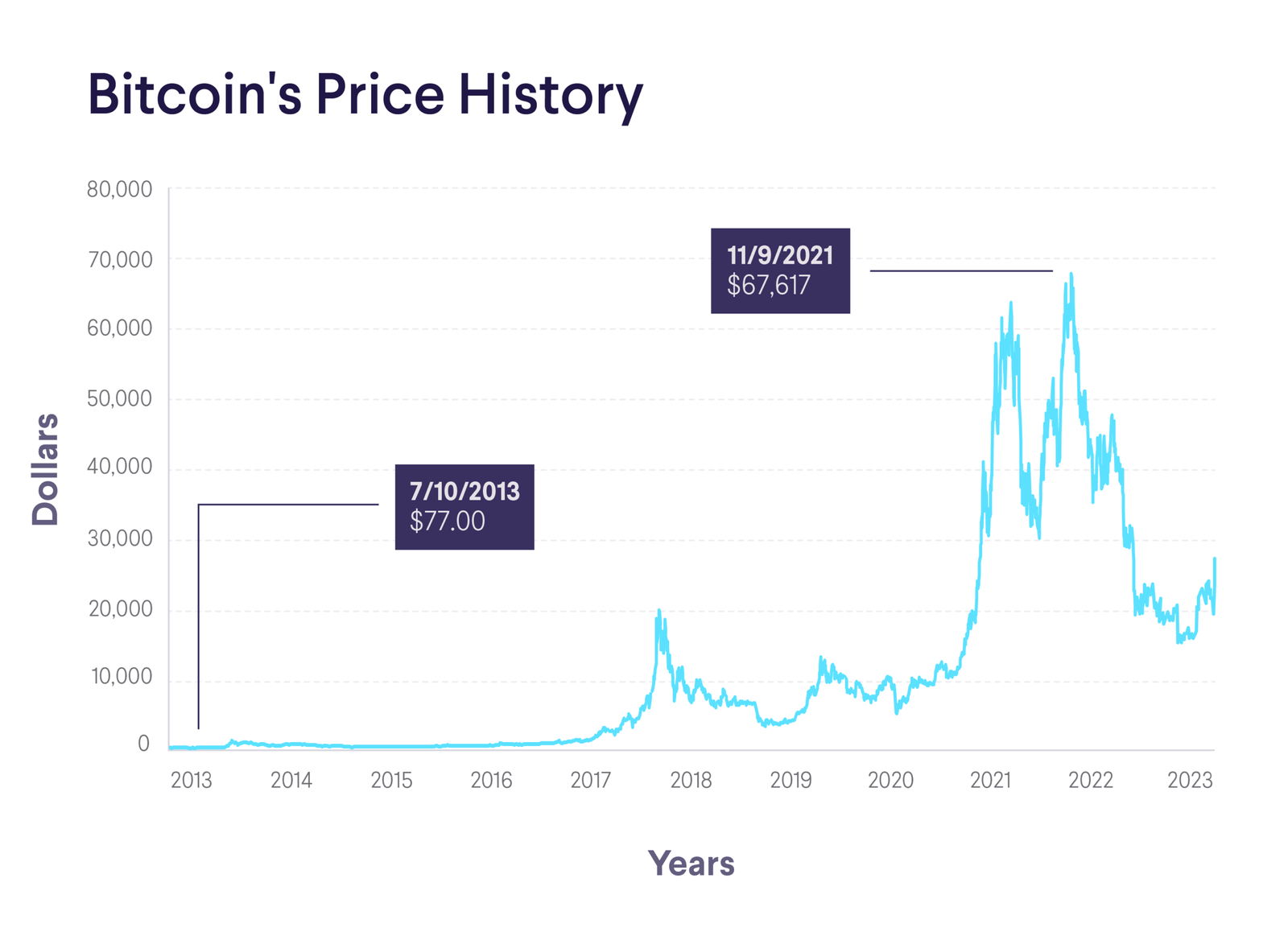

Bitcoin price analysis reveals the intricate dynamics affecting this leading cryptocurrency amid recent market fluctuations. As highlighted in a JPMorgan Bitcoin report, the current pressure on Bitcoin prices can be traced to two pivotal factors: a notable decline in the Bitcoin hashrate and increased mining difficulty. Moreover, the overall Bitcoin production cost remains a crucial consideration, as analysts suggest that profitability challenges are forcing many miners to reduce their operations. This situation has significant implications for cryptocurrency trends, as the interplay between mining activity and market sentiment continues to influence price movements. Understanding these elements is essential for traders and investors seeking to navigate the volatility of Bitcoin’s market landscape.
An investigation into Bitcoin’s valuation trends unveils the complex factors influencing its current market stance. Recent assessments from leading financial institutions shed light on the interplay between Bitcoin mining dynamics, such as the hashrate and production costs, and their impact on investor confidence. As the industry adapts to changes, especially those stemming from regulatory environments, the consequences on miner profitability become apparent. Additionally, broader cryptocurrency trends indicate that external economic factors, along with strategic corporate decisions, play a significant role in shaping market outcomes. A thorough grasp of these concepts is vital for anyone engaged in cryptocurrency investments.
Understanding the Impact of Bitcoin Mining on Current Prices
The ongoing trends in Bitcoin mining play a crucial role in shaping the cryptocurrency’s price dynamics. As highlighted in the recent JPMorgan report, the decline in Bitcoin’s hashrate and mining difficulty significantly impacts miners’ profitability. This situation stems from the Chinese government’s stringent ban on Bitcoin mining, aiming to curb private mining activities. As the hashrate decreases, one might expect miners to benefit from increased earnings due to reduced competition. However, the reality is more complex, as the associated operational costs rise dramatically, leaving many miners struggling to remain viable in the market.
Moreover, the current energy landscape exacerbates these challenges. Rising electricity prices are a major concern for Bitcoin miners, significantly influencing their production costs. According to JPMorgan’s revised estimates, Bitcoin’s production cost has fallen to around $90,000. Still, this is considerable compared to the depressed prices hovering below this threshold, leading to further selling pressure, especially among high-cost miners in regions with increased energy expenses. Therefore, understanding these interactions is vital for grasping the future of Bitcoin prices.
Bitcoin Price Analysis Amidst Production Costs
Recent developments indicate that the Bitcoin price remains pressured due to its production cost exceeding market value. As reported, the average production cost of Bitcoin production—an essential metric for market analysts—now sits at $90,000. This figure, juxtaposed against the current Bitcoin market price, suggests that many miners operate at a loss. Such conditions can lead to increased sell-offs as high-cost miners liquidate their holdings to mitigate losses, further driving down the overall price of Bitcoin in the market.
In analyzing this situation, it becomes apparent that while miners are a visible influencer of Bitcoin’s price, macroeconomic factors and strategic decisions also play a significant role. With large investors and institutions like JPMorgan examining their holdings and strategies concerning Bitcoin, the balance sheet decisions can greatly sway market confidence. The divergence between production cost and market price creates a critical scenario for potential investors, indicating risk but also opportunity if prices align more closely with the cost base.
The Effects of Bitcoin’s Declining Hashrate
Bitcoin’s hashrate is a vital measure of the network’s security and miner participation. Recently, the report by JPMorgan brought attention to a notable drop in Bitcoin’s hashrate, primarily driven by external factors like regulatory pressures in China. This decline in hashrate can initially suggest a strengthening of the network’s efficiency since lower competition among miners could mean higher potential profitability in the short term. However, as seen in recent trends, this scenario is undermined by the rising production costs and energy prices.
The impact of a declining hashrate extends beyond immediate profitability for miners; it also influences investor sentiment and overall market trends. When the hashrate decreases, concerns about network security and stability can arise, leading to fears among investors. This situation can amplify price volatility, reflecting the intertwined nature of network metrics and market performance. Therefore, a comprehensive view of Bitcoin’s hashrate is essential for those looking to navigate the fluctuating cryptocurrency landscape.
The Role of Energy Costs in Bitcoin Mining
Energy costs are emerging as a critical factor in evaluating the sustainability of Bitcoin mining. As highlighted by JPMorgan, fluctuations in energy prices directly impact the operational feasibility for miners. An increase of just $0.01 per kilowatt-hour can raise the production cost by $18,000, underscoring the sensitivity of Bitcoin mining to energy expenses. This scenario has significant implications for high-cost producers who face the possibility of exiting the market if prices do not stabilize.
Furthermore, the current landscape leads to strategic considerations for miners. The rising electricity costs do not only squeeze margins but also encourage miners to innovate or relocate to more energy-efficient regions. As they adapt to these pressures, their survival hinges on whether Bitcoin prices can recover sufficiently to justify ongoing operations. Thus, energy costs continue to be a central theme in discussions around Bitcoin’s future viability and growth potential.
Market Reactions to Bitcoin Mining Developments
The cryptocurrency market is notoriously reactive to news concerning Bitcoin mining operations. The recent findings from JPMorgan have made waves, emphasizing that market sentiment hinges significantly on mining conditions and profitability. When analysts forecast a downturn in miner profitability due to falling Bitcoin prices and rising production costs, this often leads to panic selling among traders, further amplifying price declines. This market psychology illustrates how intimately connected mining dynamics are with broader cryptocurrency trends.
In addition, institutional investors tend to monitor these developments closely. They understand that fluctuations in production costs and hashrate can serve as indicators of Bitcoin’s sustainability as an asset class. As institutions adjust their investment strategies based on such indicators, the impact on market liquidity and price movements can be pronounced. Such interrelationships depict a complex socio-economic framework surrounding Bitcoin, where mining developments play a pivotal role in shaping future expectations.
Strategic Responses to Mining Challenges
In light of the recent challenges faced by Bitcoin miners, strategic responses are critical for survival in a volatile market. Miners are now forced to reevaluate their operational strategies, exploring avenues for cost reductions or innovative technologies to enhance efficiency. For instance, some may shift towards renewable energy sources that can mitigate the impact of fluctuating energy prices while improving their environmental footprint. Others might seek partnerships or move mining installations to regions with lower production costs, allowing them to better navigate the tough financial landscape.
Additionally, miners are also adjusting their cryptocurrency holdings in response to market pressures. As noted in the JPMorgan report, some high-cost miners have been compelled to liquidate their Bitcoin holdings, which may not only influence their profitability but also contribute to the wider market trends of Bitcoin’s price movements. By strategically managing their Bitcoin inventory while adapting to changing costs, miners can position themselves more favorably in a competitive landscape, thereby influencing Bitcoin’s future trajectory.
The Influence of Regulatory Factors on Mining and Prices
Regulatory changes have a powerful impact on Bitcoin mining and associated prices. The reaffirmation of China’s ban on Bitcoin mining has sent ripples through the market, leading to immense shifts in supply and operational efficiency. As miners exit regions with strict regulations, the hashrate is likely to decrease, impacting the overall security of the Bitcoin network. Conversely, this regulatory atmosphere may pave the way for increased operations in more crypto-friendly regions, but the transition takes time and may affect prices in the interim.
Moreover, analysts emphasize that regulatory clarity can ultimately enhance the market’s stability. If jurisdictions provide clearer frameworks for Bitcoin mining, it can promote sustainable growth and investments in the sector. Such developments could lead to a more predictable environment for miners, improving technical productivity and potentially stabilizing prices. Hence, staying attuned to regulatory developments is essential for all stakeholders in the Bitcoin ecosystem.
Emerging Trends in Bitcoin and Their Market Implications
As Bitcoin continues to evolve, emerging trends such as increased institutional adoption and advancements in blockchain technology present both opportunities and challenges. Institutional players are becoming critical participants in the market, using their vast resources to influence prices and shape liquidity dynamics. Their involvement also drives discussions around compliance and best practices in Bitcoin mining, as they demand higher standards from their operations, which can in turn lead to more efficient mining solutions.
Furthermore, advancements in mining technologies promise to enhance production efficiency, potentially alleviating some of the pressure from rising energy costs. Innovations such as improved ASIC hardware or software can enable miners to maintain profitability even in the face of high operational expenses. As the industry gravitates toward these emerging trends, the interconnectedness of Bitcoin’s price, mining viability, and regulatory environments will continue to shape the future landscape of the cryptocurrency market.
Bitcoin’s Future: Price Recovery or Continued Pressure?
The outlook for Bitcoin remains a topic of much debate among analysts. With production costs currently outpacing market prices, questions loom about the potential for a price recovery amidst these pressures. If Bitcoin continues to trade below production costs—especially with recent estimates suggesting costs around $90,000—the selling pressure is likely to continue, as miners offload their holdings to mitigate losses. Such dynamics could deter new investment, negatively impacting Bitcoin’s long-term viability.
However, speculative behavior and institutional interest could spark a turnaround if market conditions shift favorably. Positives such as easing regulatory concerns or an upward trend in adoption rates can trickle down to price movements. Investors remain hopeful that as the market stabilizes and new mining technologies emerge, the equilibrium between production costs and market price can be restored. Thus, the future of Bitcoin depends on an array of factors ranging from miner profitability to broader economic indicators impacting cryptocurrency trends.
Frequently Asked Questions
What factors are affecting Bitcoin price analysis currently?
Current Bitcoin price analysis indicates that two main factors are influencing Bitcoin prices: the recent decline in Bitcoin network hashrate, and mining difficulty amid rising energy costs and regulatory pressures, particularly from China. These aspects lead to squeezed profitability, prompting high-cost miners to exit the market, which can further impact Bitcoin’s price.
How does Bitcoin hashrate impact Bitcoin price analysis?
Bitcoin hashrate plays a significant role in Bitcoin price analysis. A declining hashrate can signal challenges in Bitcoin mining profitability, primarily due to increased energy costs and regulatory actions. As hashrate decreases, miners might sell off their Bitcoin holdings to cover costs, contributing to downward pressure on prices.
What is the role of Bitcoin production cost in price analysis?
Bitcoin production cost is a crucial component of Bitcoin price analysis. Analysts currently estimate Bitcoin’s production cost at $90,000, which is significantly higher than current market prices. This discrepancy implies that selling pressure could arise from miners attempting to mitigate losses as Bitcoin prices hover below production costs.
How does JPMorgan’s report affect Bitcoin price analysis?
JPMorgan’s report provides valuable insights for Bitcoin price analysis by highlighting key factors such as production costs, hashrate, and regulatory impacts. The report suggests that high-cost miners are selling off Bitcoin due to reduced profitability, directly influencing Bitcoin’s market dynamics and future price movements.
What cryptocurrency trends are relevant to Bitcoin price analysis?
Relevant cryptocurrency trends include fluctuations in Bitcoin mining activity, regulatory developments (like China’s stance on Bitcoin), and broader market sentiment. These trends are essential for a comprehensive Bitcoin price analysis, as they determine the operational viability of miners and the overall health of the Bitcoin market.
| Key Points | Details |
|---|---|
| Factors Affecting Bitcoin Prices | Decline in Bitcoin hashrate and mining difficulty due to China’s mining ban and high energy costs. |
| Impact of Hashrate Decline | High-cost miners are leaving the market, but a decrease in hashrate leads to potential increases in miners’ incomes. |
| Production Cost Estimates | Bitcoin’s production cost is estimated at $90,000, down from $94,000, with a power price assumption of $0.05 per kilowatt-hour. |
| Profitability Pressure | Rising electricity costs and pricing below production costs are squeezing miners’ profits. |
| Role of Miners in Future Price Movements | Miners’ activity is not the primary influence; Strategy’s balance sheet and avoidance of Bitcoin sales are more significant. |
Summary
Bitcoin price analysis indicates that current market pressures stem from a decline in network hashrate and mining difficulties, significantly impacted by external regulatory actions and rising operational costs. As Bitcoin struggles to sustain its value below production costs, the focus shifts from miner activities to broader strategic financial maneuvers, emphasizing the importance of institutional dynamics over miner influence.
Related: More from Bitcoin News | JPMorgan: New Legis. Could Spark Bitcoin Growth | Bitcoin Fork Proposal Fails to Gain Support