


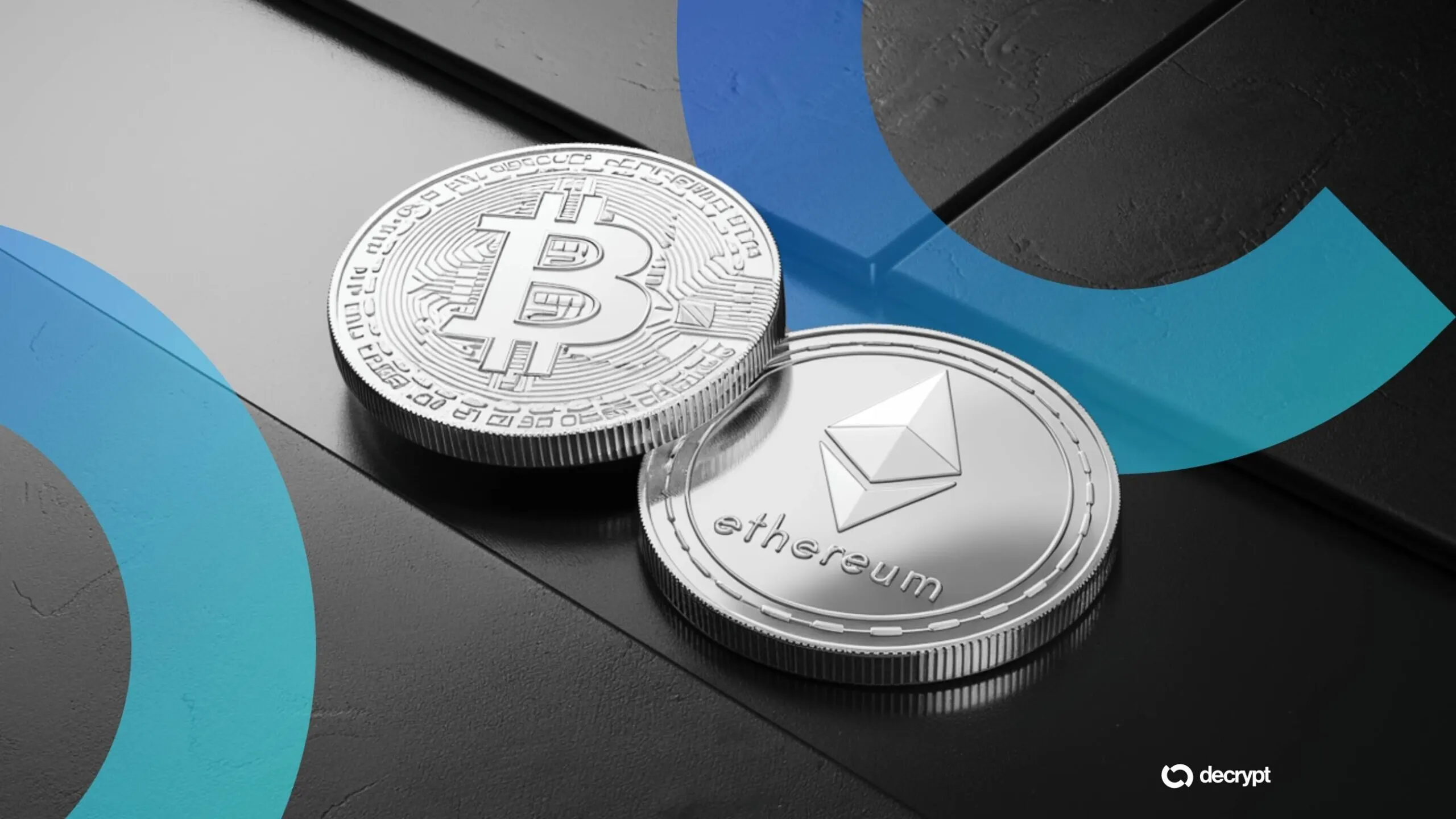

Ethereum Holders Show Greater Willingness to Sell Compared to Bitcoin Investors, Says Glassnode Report

Key Takeaways
In the dynamic world of cryptocurrencies, investor behavior plays a crucial role in understanding the market movements and potential trends. According to a recent analysis by blockchain analytics firm Glassnode, Ethereum holders are more predisposed to selling or trading their holdings compared to Bitcoin investors. This trend sheds light on the differing investor psychologies and market perceptions surrounding these two leading cryptocurrencies.
Analyzing the Data: Ethereum vs. Bitcoin Liquidity
Glassnode’s report highlights several key metrics that underscore this behavioral divide. One of the primary indicators is the “liquidity index” which Glassnode uses to gauge the proportion of the supply that is actively being traded or sold. Ethereum’s liquidity index has consistently shown higher values compared to Bitcoin, indicating a greater willingness among Ethereum holders to part with their coins, whether for trading or selling purposes.
The reasons behind this trend are manifold. Ethereum, being a platform that supports a myriad of decentralized applications, including DeFi (Decentralized Finance) and NFTs (Non-Fungible Tokens), provides more frequent transactional opportunities for holders. This inherent characteristic of Ethereum as a utility-driven network encourages a more active trading behavior.
Market Maturity and Investor Sentiment
Another perspective offered by market analysts is the maturity and stabilization of Bitcoin as a digital asset. Often referred to as ‘digital gold’, Bitcoin is increasingly viewed by its investors as a long-term store of value. This perception encourages holding behavior, thereby reducing its liquidity compared to Ethereum. The market sentiment around Bitcoin has evolved to favor long-term investment, reflecting a conservative approach to trading and realization of profits.
Conversely, Ethereum’s landscape is constantly evolving, driven by ongoing upgrades and the excitement around emerging sectors like DeFi and NFTs. These factors contribute to a more fluid market where investors often seize short-term opportunities, leading to higher liquidity.
Impact on the Market
The differing liquidity characteristics of Bitcoin and Ethereum have significant implications for both investors and the broader market. For Ethereum, higher liquidity suggests a more vibrant trading environment but also implies potential for greater price volatility. Investors might need to be more active and responsive to market changes to navigate the Ethereum market effectively.
For Bitcoin, lower liquidity underlines its role as a stable investment haven. However, it might also mean that Bitcoin could experience slower reaction times to market stimuli compared to Ethereum, due to the “stickiness” of its supply.
Looking Ahead: The Future of Crypto Investments
This analysis by Glassnode not only highlights the behavioral dynamics of investors across different cryptocurrencies but also helps in predicting future trends. As Ethereum continues to develop and expand its utility, it might attract a broader base of short-term traders alongside traditional long-term holders. Bitcoin, maintaining its path as a store of value, might continue to see a consolidation of long-term holding behavior.
Understanding these patterns is crucial for investors and market observers alike, as they navigate the complexities of the cryptocurrency markets. As the crypto landscape continues to mature, the strategies employed by investors in Bitcoin and Ethereum will undoubtedly evolve, potentially leading to new norms in investor behavior across the crypto spectrum.
In conclusion, the insights from Glassnode provide a valuable lens through which the cryptocurrency community can gauge future movements and adjust their strategies accordingly. The continued observation of trends like these will be essential in predicting the trajectories of Bitcoin, Ethereum, and the cryptocurrency market at large.