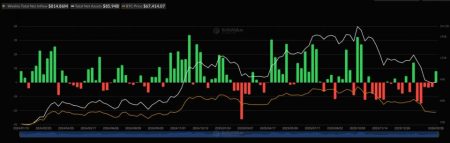


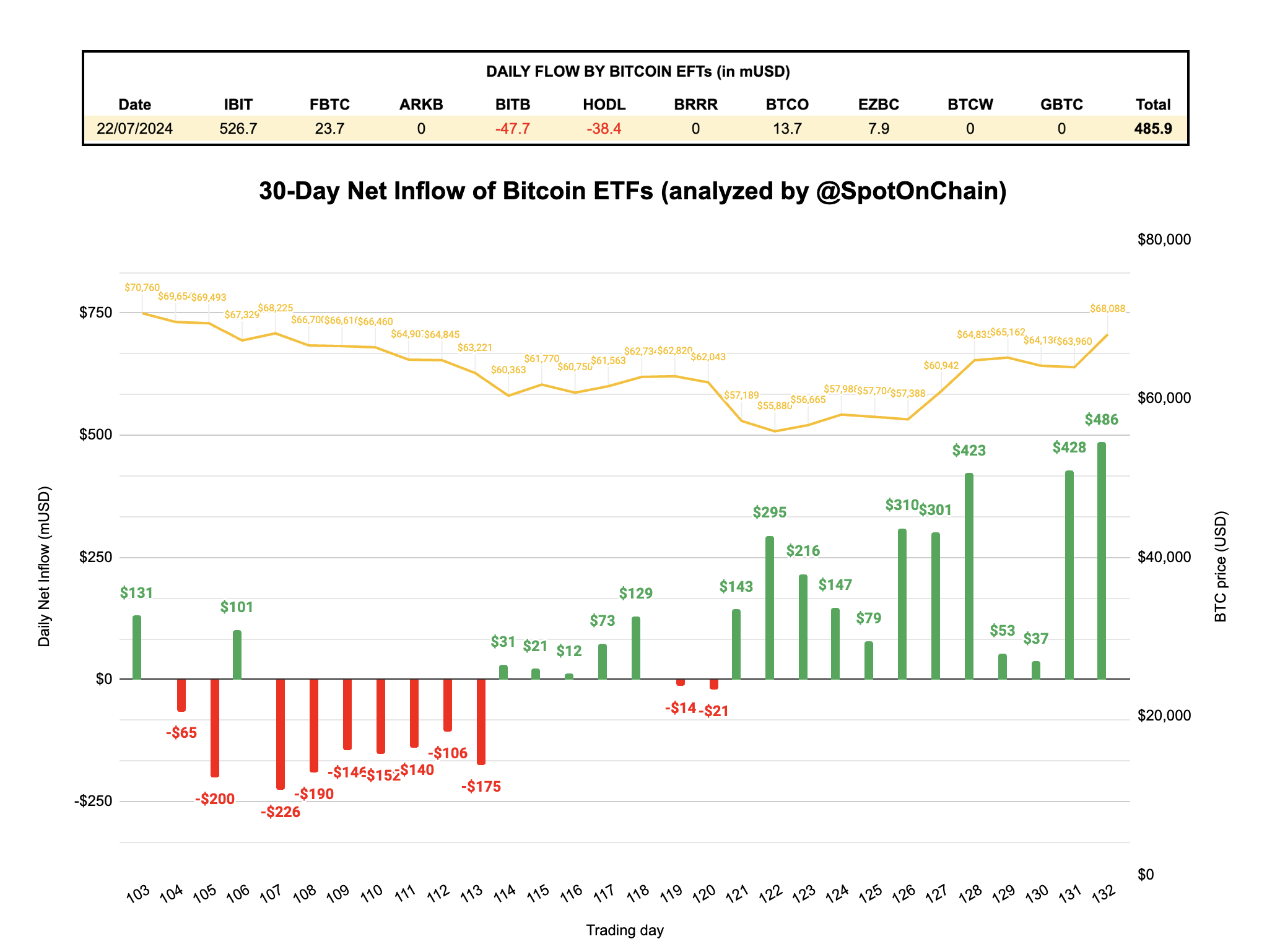

Bitcoin ETF net outflows have raised eyebrows as approximately $1.29 billion exited these investment vehicles during the pivotal holiday season. This dramatic shift reflects the current Bitcoin market dynamics, particularly during a time when trading desks are often understaffed and liquidity is low. Investors are increasingly interested in how Bitcoin ETFs affect prices, as these outflows signal potential fears over future BTC trading trends. The substantial net outflows, driven by tactical positioning, highlight how ETFs and Bitcoin are becoming tightly interwoven, with implications that go beyond typical trading behaviors. Understanding this phenomenon is crucial for anyone tracking the pulse of Bitcoin’s evolving landscape.

The significant drop in Bitcoin ETF holdings, encompassing nearly $1.29 billion from mid to late December, raises critical questions about the stability of these investment vehicles during a traditionally quiet trading period. As analysts delve into the performance of cryptocurrency-backed funds, they seek to understand what this outflow implies about investor sentiment and broader market trends. Additionally, with the interplay of ETFs in the Bitcoin ecosystem becoming more pronounced, many are left wondering if these outflows may impact Bitcoin’s price trajectory moving forward. With a closer examination of trading dynamics and withdrawal patterns, stakeholders can better navigate the shifting landscape of cryptocurrency investments.
Understanding Bitcoin ETF Net Outflows
The recent net outflows from Bitcoin ETFs have raised concerns among investors and analysts alike, signaling potential volatility in the cryptocurrency market. Between December 15 and December 31, a staggering $1.29 billion exited the U.S. spot Bitcoin ETFs, a phenomenon that can largely be attributed to tactical movements within the investment community during the holiday season. This period, known for reduced trading activities and often considered a time for portfolio adjustments, has revealed deeper insights into how investors are currently positioning themselves within the Bitcoin market dynamics.
The implications of these outflows cannot be overstated. Significant declines in ETF holdings indicate that investors may be losing confidence or choosing to reallocate their funds into other assets. This is particularly interesting given that traditional narratives around market behaviors have shifted, with spot ETFs now being viewed as critical pipelines for Bitcoin exposure. As large allocators increasingly see ETFs as viable entry and exit points for Bitcoin, understanding the mechanics behind these outflows has become essential for forecasting future price movements.
The Impact of Bitcoin ETFs on Market Price Dynamics
Bitcoin ETFs serve a crucial role in influencing market prices, primarily by affecting supply and demand dynamics in the broader cryptocurrency ecosystem. Outflows, such as the recent $1.29 billion, exert direct selling pressure on Bitcoin prices, which can lead to heightened price volatility. As funds are pulled from these ETFs, the resale of Bitcoin on secondary markets can trigger significant downward pressure, often exacerbating price declines in an already fragile trading environment. This phenomenon aligns with concepts around how Bitcoin ETFs affect prices, suggesting that the performance of these funds can substantially guide market trends.
Moreover, the behavior of Bitcoin prices following ETF inflows and outflows highlights the cyclical nature of Bitcoin trading trends. It’s not unusual for price recoveries to lag after substantial outflows, as the market may take time to stabilize and regain investor confidence. Given that trading volumes tend to shrink during holiday periods, we may see increased sensitivity to even a small number of transactions, further complicating price resiliency. Hence, understanding how ETFs and Bitcoin interact is critical, as these flows often become pivotal indicators of forthcoming market movements.
Analyzing Year-End Trading Patterns in Bitcoin ETF Activity
Year-end periods typically herald a flurry of portfolio rebalancing activities as investors assess their year’s performance. In the context of Bitcoin ETFs, this has led to what can be interpreted as a stress test on the market structure, especially with the recent outflows of $1.29 billion. The uneven distribution of inflows and outflows during this period serves as a reminder of the cyclical pressures that influence trading behaviors as investors sprint to finalize their positions before the year concludes.
Historically, holiday trading periods have produced significant fluctuations in Bitcoin activity. The results from December illustrate that while some days experienced notable inflows, overall, the trajectory leaned heavily towards outflows. This pattern can be understood through the lens of Bitcoin market dynamics as sellers capitalize on what may be perceived as a window of opportunity to mitigate exposure. The results speak volumes about investor sentiment and the fluctuations in trading strategies employed during times when liquidity is generally lower.
The Role of Institutional Investors in Bitcoin ETF Flows
Institutional interest in Bitcoin ETFs has grown steadily, yet the recent outflows suggest a more cautious approach from these players. The slow arrival of institutional buying serves as a crucial factor in determining how Bitcoin trading evolves in 2026. With large allocators redefining their strategies around spot ETF movements, their decisions become paramount. The ebb and flow of these investments provide critical insights into the overall health of the cryptocurrency market.
As institutions reevaluate their positions amidst changing macroeconomic conditions, the implications for the Bitcoin ETF market become more pronounced. Outflows during the holiday season can signify a need for risk management, translating to a transactional approach rather than a commitment to long-term growth. This dichotomy in investor behavior, whether adopting a structural allocation perspective or treating Bitcoin ETFs as temporary trading vehicles, will be essential to monitor as we move further into the new year.
How Economic Policies Affect Bitcoin ETF Performance
Economic policy decisions, particularly those made by the Federal Reserve, have profound impacts on investor sentiment and trading behaviors. The fluctuations in interest rates and other macroeconomic announcements can influence the capitalization of Bitcoin ETFs, especially in periods marked by uncertainty. The holiday season’s net outflows can be partly attributed to concerns stemming from these economic variables that redefine the risk profiles of cryptocurrency investments, leading to an hesitance among investors.
Instability in economic policy not only affects liquidity but also the broader BTC trading trends. As seen during the recent holiday period, such influences can lead to significant movements in ETF flows. Investors may become more conservative, reflecting on how external economic pressures shape their trading strategies. Thus, keeping a pulse on macroeconomic developments is crucial for understanding the shifts in Bitcoin ETF demand and the subsequent price ramifications in the cryptocurrency market.
Spot ETF Trends: A New Paradigm for Bitcoin Trading
The recent developments in Bitcoin ETFs indicate a new paradigm in how investors approach cryptocurrency trading. With the mentioned net outflows being significantly influenced by market conditions and seasonal trends, it’s essential to recognize the transformative role of spot ETFs in the current landscape. From enabling easier access to Bitcoin exposure to acting as critical indicators of market sentiment, ETFs are reshaping interactions with Bitcoin in compelling ways.
As we move forward, the focus on spot ETFs as primary tools for Bitcoin transactions reinforces their importance within the investment framework. It opens avenues for a more nuanced understanding of how Bitcoin’s market dynamics operate, particularly during volatility. This transition underscores a significant shift from traditional crypto-cycle models, highlighting the need to analyze how Bitcoin ETFs can drive trading behavior and market prices moving forward.
Implications of Tactical Positioning on Bitcoin ETF Investments
Investors employing tactical positioning strategies during the holiday season provide a valuable lesson in how external factors can influence Bitcoin ETF investments. The recent $1.29 billion in net outflows exemplifies the consequences of reactive investing in a declining market, especially when trading is typically reduced. The focus on short-term strategies often results in an overall negative sentiment, as traders become more risk-averse heading into a new year.
In many cases, tactical positioning reflects broader market conditions rather than individual crypto values. Understanding these shifts allows investors to rethink their allocations, providing a more strategic approach to trading Bitcoin ETFs. As each holiday season proves to be a challenge for maintaining steady inflows, examining the implications for long-term strategies will be essential for participants in the cryptocurrency markets.
Future Directions for Bitcoin ETFs in the Global Market
Looking ahead, the perspective on Bitcoin ETFs is evolving alongside global market conditions. As evidenced by the recent holiday period outflows, market participants will continue to scrutinize how these funds react to shifts in trading volume and volatility. The dependence on tactical positioning during slower trading days echoes the importance of robust market structures, which are likely to dictate the success of Bitcoin ETFs in attracting future investments.
The adaptability of Bitcoin ETFs in embracing new investors and responding to changes in market dynamics will ultimately determine their resilience. Forecasting market behaviors calls for a reassessment of how external economic variables, regulatory frameworks, and institutional participation will shape the performance of these funds. In conclusion, the trajectory of Bitcoin ETFs will be critical for understanding the future of cryptocurrency investing, especially as we anticipate more volatility in the upcoming year.
The Significance of Monitoring Bitcoin ETF Metrics
As Bitcoin continues to gain traction, monitoring Bitcoin ETF metrics becomes essential for investors seeking insights into market conditions. The recent $1.29 billion in outflows serves as a clear indicator that attention must be paid to the flows and cycles within the ETF landscape. Understanding these metrics not only allows investors to stay ahead of trends but also provides an opportunity to adapt strategies before market fluctuations become detrimental.
The significance of these metrics lies in their predictive nature. By analyzing patterns in inflows and outflows, along with the associated price movements of Bitcoin, investors can gauge the broader sentiment surrounding cryptocurrencies. Maintaining a keen eye on ETF data will be crucial for making informed decisions, especially in a rapidly changing market environment characterized by both potential growth and volatility.
Frequently Asked Questions
What were the Bitcoin ETF net outflows observed during the holiday period?
During the holiday stretch from December 15 to December 31, U.S. spot Bitcoin ETFs experienced approximately $1.29 billion in net outflows, indicating a significant impact on Bitcoin market dynamics.
How did Bitcoin ETF stress tests reveal market trends?
The Bitcoin ETF stress tests during the holiday period highlighted a critical $1.29 billion in net outflows, demonstrating how market movements can be influenced by limited trading desk activity and portfolio settlements.
What impact do Bitcoin ETF net outflows have on BTC trading trends?
The Bitcoin ETF net outflows of $1.29 billion during the holiday period contributed to pressure on Bitcoin prices, as significant selling led to sluggish trading conditions and affected overall BTC market momentum.
How do Bitcoin ETFs influence Bitcoin prices and their resilience in the market?
The recent $1.29 billion net outflow in Bitcoin ETFs suggests that, while they serve as crucial on- and off-ramps for Bitcoin exposure, their decreasing inflow indicates potential vulnerability in how Bitcoin ETFs affect prices.
What does the recent Bitcoin ETF net outflows indicate about institutional interest?
The recent trend of Bitcoin ETF net outflows, totaling $1.29 billion, points to a slowdown in institutional interest, suggesting that market dynamics may still be sensitive to price movements and macroeconomic factors influencing Bitcoin.
How significant are the roles of Bitcoin ETFs and their net outflows in the larger crypto market?
Bitcoin ETFs and their net outflows play a pivotal role in shaping Bitcoin market dynamics, with the $1.29 billion outflow observed recently being a critical indicator of investor sentiment and macro trading trends.
Can Bitcoin ETF net outflows signal a market correction for Bitcoin?
Yes, the $1.29 billion in Bitcoin ETF net outflows can signal a potential market correction for Bitcoin as they reflect underlying trading sentiment and can lead to constrained price movements within the Bitcoin market.
What factors contributed to the $1.29 billion in Bitcoin ETF net outflows during the holidays?
The $1.29 billion in Bitcoin ETF net outflows during the holiday period was influenced by year-end position cleaning, reduced trading volumes, and institutional reallocations, demonstrating the intricate link between ETF flows and Bitcoin price stability.
| Fund | Net Flow ($m) | Share of Net Outflow (%) |
|---|---|---|
| IBIT | -639 | ~49.5 |
| GBTC | -169 | ~13.1 |
| BITB | -169 | ~13.1 |
| ARKB | -106 | ~8.2 |
| Others (Combined) | -208 | ~16.1 |
| Total | -1,291 | 100 |
Summary
Bitcoin ETF net outflows amounted to approximately $1.29 billion, showcasing how this financial instrument faced significant pressure during the holiday period. As the data reveals, the stress test illustrated a clear trend of fund withdrawals, primarily driven by strategic reallocations and year-end portfolio adjustments. The market’s reaction suggests that Bitcoin ETFs are increasingly perceived as essential channels for investors looking to navigate Bitcoin exposure. Moving forward, the dynamics surrounding Bitcoin ETF net outflows will be crucial for understanding the evolving landscape of cryptocurrency investments.