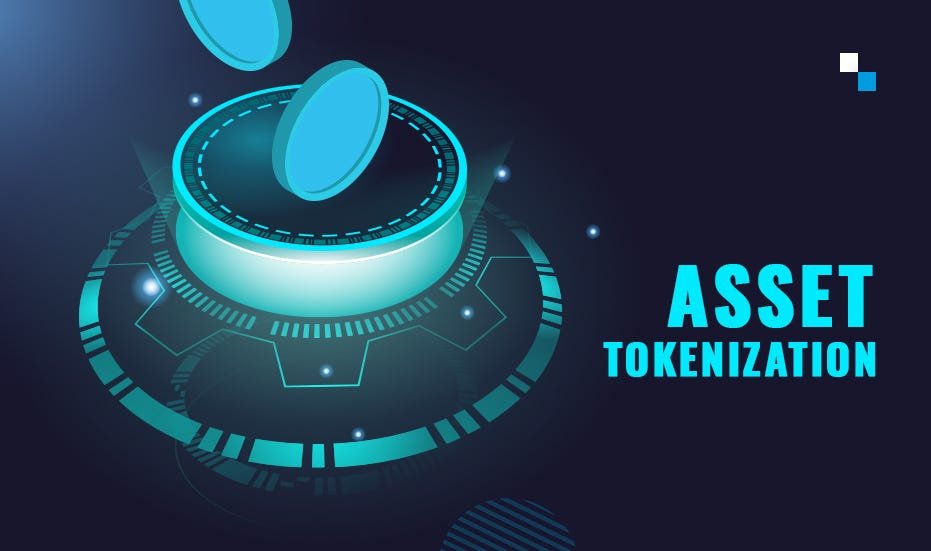

Asset tokenization is rapidly reshaping the financial landscape, offering a novel approach to converting physical and intangible assets into digital tokens. Recent discussions led by the U.S. SEC Investor Advisory Committee highlighted various regulatory pathways essential to navigate this burgeoning field, with notable participation from leaders at Citadel, Coinbase, and Galaxy. A key point of contention was the role of intermediaries in finance, particularly within decentralized finance (DeFi) frameworks, where traditional regulations struggle to fit. Advocates argue that these crypto regulations must evolve to provide clear definitions and compliant pathways that foster innovative developments in asset tokenization. As these conversations unfold, the impact on regulatory frameworks could significantly influence the growth and acceptance of tokenized assets in the broader market.

The concept of asset tokenization can also be understood as the digitization of ownership rights through blockchain technology. This innovative process enables individuals and institutions to represent assets as digital tokens, promoting transparency and liquidity in the marketplace. Recent dialogues among pivotal figures in the finance sector have explored the implications of regulatory frameworks and the future of decentralized systems. These discussions focus on the necessity for a balanced regulatory approach that accommodates the unique challenges of digital asset ecosystems while fostering innovation. As the financial industry continues to adapt, understanding alternative terminologies surrounding tokenized assets becomes crucial for stakeholders navigating these exciting opportunities.
Overview of Asset Tokenization
Asset tokenization refers to the process of converting ownership rights of real-world assets into digital tokens on a blockchain. This innovative approach has gained significant traction across various industries, allowing for increased liquidity, transparency, and efficiency in asset management. By leveraging blockchain technology, asset tokenization not only simplifies transactions but also democratizes access to investment opportunities, making it easier for individuals and institutions alike to participate in previously inaccessible markets.
As the asset tokenization landscape evolves, various cryptocurrencies and blockchain platforms are emerging to support this trend. The emergence of decentralized finance (DeFi) has, in particular, made it imperative for regulatory bodies to understand the full implications of tokenization on market stability and consumer protection. With discussions around asset tokenization becoming a priority for financial regulators like the SEC, the focus is now shifting toward creating a framework that balances innovation with regulatory compliance.
The Role of Regulatory Pathways in Asset Tokenization
In the recent SEC Investor Advisory Committee meeting, discussions centered on the essential role of regulatory pathways for asset tokenization. Industry leaders from major companies like Citadel and Coinbase emphasized the need for clear guidelines. Citadel proposed that the SEC explicitly define the roles of intermediaries, specifically those involved in decentralized trading protocols. This is crucial because a lack of clarity can create uncertainty in the market, deterring investments and innovation.
However, the crypto community’s response highlighted concerns that imposing traditional regulations on DeFi frameworks could undermine the very principles of decentralization and innovation that drive the crypto space. For effective regulation in asset tokenization, it is vital to analyze each regulation individually to avoid unwarranted burden, as suggested by Coinbase. This nuanced approach could pave the way for regulatory clarity without stifling creativity in the burgeoning tokenization landscape.
Intermediaries in Finance and Their Relationship with Asset Tokenization
Intermediaries historically play a significant role in finance by facilitating transactions and ensuring compliance. The rise of asset tokenization, however, challenges this notion as new models emerge that may reduce or redefine the role of these intermediaries. With decentralized platforms facilitating direct transactions between parties, the traditional intermediaries face scrutiny regarding their necessity and effectiveness in a tokenized ecosystem.
The recent push from Citadel for clearer definitions of these intermediary roles reflects a growing recognition that regulatory frameworks need to adapt to the evolving landscape. By identifying and addressing the unique characteristics of DeFi platforms, regulators can streamline the involvement of intermediaries in asset tokenization while promoting a competitive environment that supports innovation. The SEC’s ongoing discussions on crypto regulations will likely play a pivotal role in shaping these dynamics further.
SEC’s Stance on Crypto Regulations and Asset Tokenization
The SEC, led by Chair Gary Gensler, has been vocal about the necessity of establishing a compliant pathway for asset tokenization to encourage innovation. During the SEC Investor Advisory Committee meeting, Gensler emphasized that while fostering technological advancements, regulatory compliance must remain a priority. This balancing act is crucial for building investor confidence and safeguarding market integrity, especially as the landscape is reshaped by new financial instruments.
Gensler’s call for a compliant framework highlights the commission’s recognition of the legitimacy and potential of asset tokenization in the financial ecosystem. As the SEC continues to explore pathways that facilitate innovation without compromising investor protections, it could set the stage for a collaborative relationship between regulators and the crypto industry. The outcomes of these discussions will be pivotal in determining the future of crypto regulations and the integration of asset tokenization in mainstream finance.
Implications of DeFi Frameworks on Asset Tokenization
The emergence of decentralized finance (DeFi) frameworks presents both opportunities and challenges for asset tokenization. DeFi offers a multitude of services such as lending, trading, and yield farming, all powered by smart contracts, which significantly revolutionizes traditional finance. However, these frameworks also complicate regulatory efforts because they operate on principles of decentralization that existing regulations may not adequately address.
The SEC’s ongoing deliberations on how to incorporate DeFi structures into regulatory frameworks may lead to significant changes in how asset tokenization is approached. If regulations can provide flexibility while ensuring consumer protection, it may encourage broader acceptance of tokenization across various sectors. The challenge remains to establish standards that facilitate innovation while maintaining the spirit of decentralization that defines DeFi, pointing to the need for an adaptive regulatory environment.
Navigating the SEC Advisory Committee’s Recommendations
The SEC Advisory Committee, during their recent meeting, put forward crucial recommendations for asset tokenization regulation. These insights derived from industry experts aim to inform regulatory strategies that align with both innovation and compliance. Given the vast implications of asset tokenization on financial markets, these recommendations could significantly influence forthcoming legislation regarding crypto assets and their intermediaries.
By engaging with stakeholders, including companies like Citadel and Coinbase, the advisory committee is prioritizing a collaborative approach to crafting regulations. This method recognizes the expertise that industry leaders can provide, allowing regulators to better understand the nuances of asset tokenization. As these recommendations are evaluated and ultimately implemented, they may establish a robust framework that fosters innovation while protecting investors and maintaining market integrity.
Future Trends in Asset Tokenization and Regulation
Looking ahead, the intersection of asset tokenization and regulatory developments is poised for continuous evolution. As the market matures, we are likely to witness a growing acceptance of tokenized assets, particularly as regulatory clarity emerges from the SEC and other governing bodies. This shift could redefine investor participation, facilitate global asset trading, and enhance liquidity in various markets.
Moreover, as global financial ecosystems become increasingly interconnected, anticipating regulatory frameworks that can accommodate the unique characteristics of asset tokenization will be essential. The ongoing dialogue surrounding asset tokenization’s potential, driven by both industry innovations and regulatory frameworks, will determine how these assets are integrated into the broader financial landscape. Adapting to these trends will require collaboration between regulators, industry players, and stakeholders to ensure that innovation and compliance can coexist.
The Impact of SEC Regulations on Financial Intermediaries
The SEC’s enforcement of regulations within the asset tokenization sector is bound to have significant implications for financial intermediaries. As the SEC focuses on navigating the complexities of tokenized assets, the roles and responsibilities of traditional intermediaries may undergo a fundamental transformation. The demand for compliance and the need for clear operational definitions may drive these intermediaries to rethink their service offerings and operational frameworks.
While some may view this development as a threat, it could also present opportunities for intermediaries to innovate and adapt to the changing financial landscape. By leveraging technology and building partnerships with blockchain platforms, intermediaries might redefine their roles to become valuable facilitators of secure and compliant transactions in the tokenized economy. The success of this adaptation will largely depend on how well these intermediaries align themselves with the SEC’s evolving regulatory stance.
Challenges in Implementing Tokenization-friendly Regulations
The discussions surrounding asset tokenization also highlight numerous challenges that regulatory bodies face in implementing appropriate frameworks. One of the significant hurdles is the rapid pace of technological advancements, which often outstrips the existing regulatory paradigms. Many stakeholders advocate for a revision of current regulations to address the complexities inherent in tokenized assets, as existing laws may inadvertently stifle innovation.
Furthermore, the lack of clarity regarding the categorization of digital assets complicates the regulatory landscape. For instance, the SEC’s approach to classifying tokens can vary widely based on their perceived utility or investment characteristics. As a result, industry participants grappling with compliance may face uncertainty about which regulations they are subject to, emphasizing the need for streamlined and user-friendly guidelines that can keep pace with technological change.
Frequently Asked Questions
What are the regulatory pathways for asset tokenization in the U.S.?
The regulatory pathways for asset tokenization in the U.S. are currently being shaped by discussions among key stakeholders, including the SEC Investor Advisory Committee. Recent meetings have focused on defining the roles of intermediaries, especially in decentralized finance (DeFi) frameworks, to ensure compliance with existing crypto regulations.
How are intermediaries in finance affected by asset tokenization regulations?
Intermediaries in finance are significantly impacted by asset tokenization regulations, as calls for clear definitions of their roles have emerged. Citadel has pushed for strict guidelines, while others argue that traditional rules may not be applicable to DeFi frameworks, highlighting the need for tailored regulatory approaches.
What role does the SEC advisory committee play in asset tokenization?
The SEC advisory committee plays a crucial role in shaping the regulatory landscape for asset tokenization by facilitating discussions between industry leaders and regulators. Their recent meetings have addressed the need for clear regulatory frameworks to foster innovation while ensuring compliance in the rapidly evolving tokenization market.
How do crypto regulations influence asset tokenization?
Crypto regulations influence asset tokenization by establishing the legal framework within which tokenized assets operate. As highlighted in recent SEC discussions, the clarity of these regulations is essential for promoting innovation while ensuring that tokenized offerings are compliant and protect investors.
Is there a compliant pathway for asset tokenization in the current regulatory environment?
Yes, there is a push for a compliant pathway for asset tokenization as emphasized by SEC Chair Gary Gensler. The SEC seeks to create a regulatory framework that encourages innovative development in tokenization, ensuring that new financial products remain within the bounds of existing laws while adapting to the unique aspects of crypto and DeFi frameworks.
| Key Points | Details |
|---|---|
| SEC Meeting | The U.S. SEC Investor Advisory Committee held a meeting to discuss asset tokenization. |
| Participants | Executives from Citadel, Coinbase, and Galaxy attended the meeting. |
| Role of Intermediaries | Citadel proposed a strict definition of intermediaries such as decentralized trading protocols. |
| Community Opposition | Some in the crypto community opposed Citadel’s suggestion, arguing traditional rules can’t apply to DeFi. |
| Regulatory Examination | Coinbase stated that regulations should be examined one by one to avoid inappropriate obligations. |
| Promoting Innovation | SEC Chair Gary Gensler emphasized the need for a compliant pathway for innovative development in tokenization. |
Summary
Asset tokenization is a transformative topic that gained attention in a recent meeting by the U.S. SEC Investor Advisory Committee. In this gathering, leaders from pivotal institutions engaged in crucial discussions regarding the regulatory frameworks needed for this emerging area. The industry stands at a crossroads, where defining roles and understanding the implications of existing regulations will shape the future of asset tokenization. As the dialogue progresses, it is essential to balance innovation with compliance, ensuring that both market participants and regulatory bodies can foster a sustainable environment for this innovative financial mechanism.