
Zero Network is making waves in the world of blockchain as a cutting-edge L2 network developed by the renowned Web3 wallet company, Zerion. Recently, it has drawn considerable attention in crypto news due to its unexpected halt in block production for over three weeks, raising questions among enthusiasts and investors alike. With a significant funding of $22.5 million, the potential of Zero Network in enhancing the efficiency of transactions and scalability is highly anticipated. As the crypto landscape evolves, the implications of such disruptions could be profound, impacting how decentralized applications leverage L2 architecture. The ongoing developments surrounding Zero Network highlight the dynamic nature of the crypto ecosystem and its interplay with technologies designed to promote faster and more secure blockchain interactions.
The recent situation surrounding Zero Network sheds light on the intricacies of Layer 2 solutions within the blockchain domain. This innovative protocol, incubated by the prominent digital wallet firm, Zerion, is experiencing a notable setback as it has ceased its block production activities for an extended period. With increasing engagement in the DeFi space and investments totaling $22.5 million, Zero Network’s issues have prompted lively discussions in the crypto community. Such events underscore the critical importance of reliability and consistency in L2 networks as they aim to optimize transaction speeds and minimize costs. The implications of these developments are vital not only for users but also for the future of decentralized finance, broadly affecting how Web3 technologies operate.
Understanding the Zero Network and Its Impact on the L2 Network
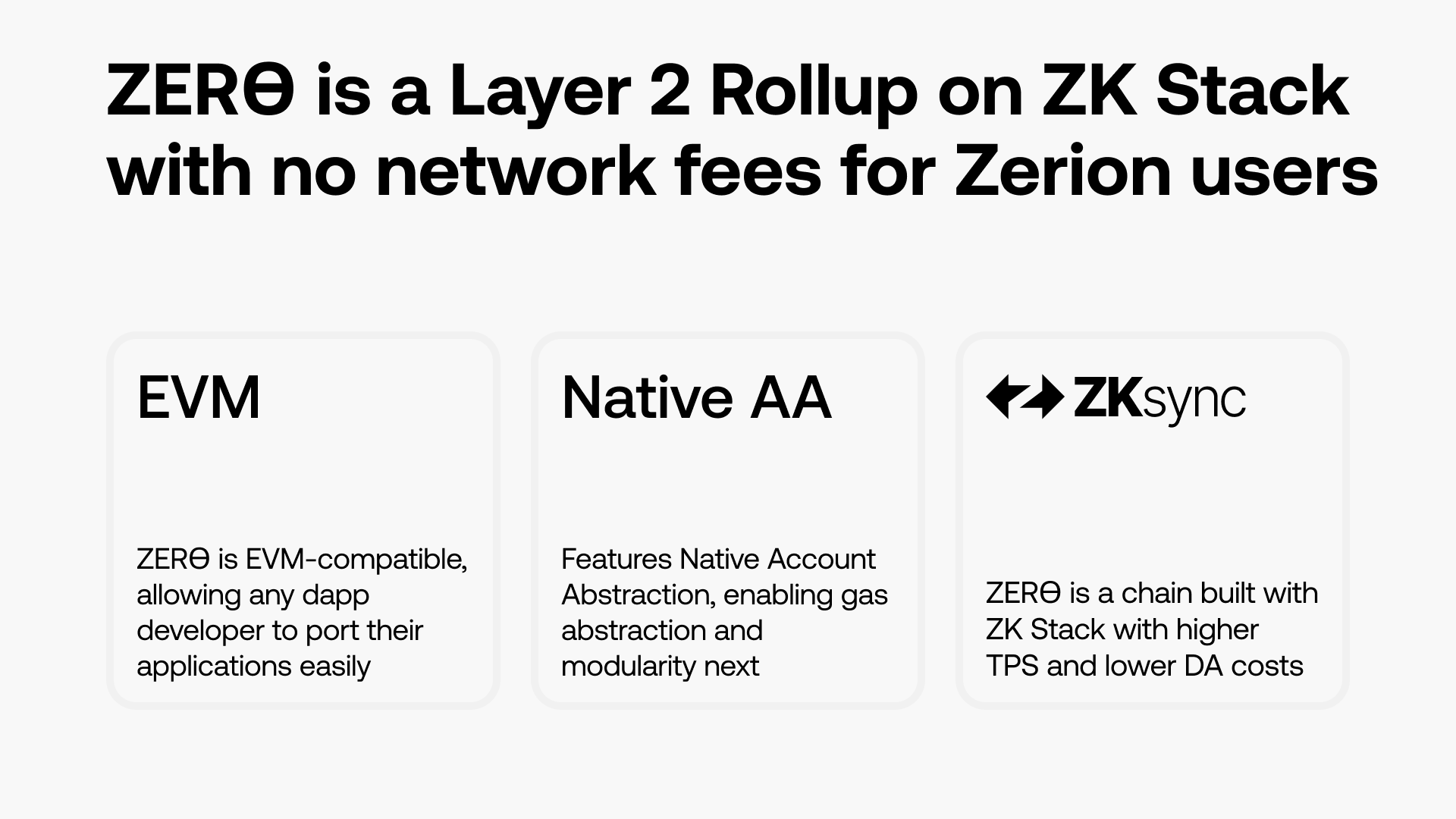
The Zero Network is a Layer 2 (L2) solution designed to enhance transaction efficiency and scalability for blockchain networks. Developed by Zerion, a Web3 wallet company, this project has garnered significant attention for its innovative technologies and substantial funding, amounting to $22.5 million. However, recent reports have indicated a halt in block production for over three weeks, raising concerns among users and investors in the crypto space.
The disruption in block production within the Zero Network raises critical questions regarding the operational integrity of L2 solutions. As the blockchain ecosystem evolves, network efficiency becomes paramount, particularly for projects aiming to deliver swift and cost-effective transactions. Understanding the implications of Zero Network’s recent performance is vital for developers and users alike, as it influences broader trends within the L2 network landscape and affects overall trust in the technology.
Zerion’s Role in Blockchain Innovation and Fundraising
Zerion has positioned itself as a leading player in the Web3 space, not only providing users with advanced wallet solutions but also actively participating in the development of blockchain technologies like Zero Network. The company’s successful fundraising of $22.5 million signifies a growing interest and investment in innovative solutions that aim to tackle the challenges of scalability and speed in blockchain applications.
By focusing on user-friendly interfaces and robust functionalities, Zerion is at the forefront of integrating L2 networks like Zero into mainstream adoption. However, the recent block production issue underlines the pressures that come with rapid scaling and innovation in crypto projects. By understanding Zerion’s approach and the technical hurdles faced, stakeholders can better navigate the complexities of blockchain development and investment.
The Consequences of Stopped Block Production in Crypto Networks
When a L2 network like Zero Network halts block production, it can lead to significant repercussions for developers and users alike. This cessation can cause delays in transaction processing, leading to a backlog that affects the overall efficiency of the network. For crypto investors and users, this situation can translate into lost opportunities and erosion of trust in the project’s long-term viability.
Moreover, halted block production creates a ripple effect across the entire crypto ecosystem, particularly as L2 solutions are increasingly relied upon to manage traffic and enhance speed on primary chains. Stakeholders must remain informed about such developments, as they highlight the intricate relationship between innovation, reliability, and user confidence in evolving crypto technologies.
Current Trends in Crypto News: The Rise of L2 Solutions
Crypto news has been abuzz with the emergence of Layer 2 solutions, which promise to alleviate some of the most pressing challenges faced by traditional blockchain networks. These second-layer protocols aim to enhance transaction speeds and lower costs, positioning themselves as crucial components for future scalability. With the advent of L2 solutions like Zero Network, the narrative is shifting towards improved capabilities in handling increased user demand.
As news outlets continue to cover advancements in the crypto sphere, it’s vital for stakeholders to differentiate between hype and sustainable innovation. The recent struggles faced by networks like Zero, particularly surrounding block production, can serve as cautionary tales. Nevertheless, the overarching trend indicates a growing belief in L2 solutions as integral to the future success of blockchain technology.
The Importance of a Reliable Web3 Wallet in Managing Assets
In the evolving realm of Web3, having a reliable wallet solution is indispensable for managing digital assets effectively. With projects like Zerion leading the charge, users can expect enhanced functionalities designed to accommodate interactions with L2 networks such as Zero Network. A dependable Web3 wallet not only provides secure storage for cryptocurrencies but also facilitates seamless transactions and interactions with decentralized applications.
As the crypto landscape becomes increasingly complex, the role of wallets evolves from mere storage solutions to comprehensive management tools that integrate various DeFi services. Therefore, investing in a robust Web3 wallet is essential for users looking to navigate this new frontier proactively, especially in light of block production issues that may affect other platforms.
Navigating Challenges in Block Production within L2 Networks
Challenges such as halted block production in L2 networks like Zero Network can be particularly disconcerting. These interruptions can occur due to a range of issues, including software bugs, infrastructure challenges, or even governance disputes among network validators. Understanding these challenges is critical for developers and users who rely on L2 solutions for everyday transactions.
Therefore, transparent communication from network operators is essential to maintain user trust and ensure the continued success of L2 projects. Addressing technical glitches proactively can not only mitigate disruptions but also enhance the overall robustness of the network, fostering a more resilient environment for cryptocurrency adoption.
Future Prospects for Zero Network in the L2 Landscape
Looking ahead, the prospects for Zero Network within the L2 landscape will heavily depend on how its developers respond to current issues surrounding block production. By addressing these challenges promptly, they can restore confidence among users and investors, which is crucial for the network’s success. Furthermore, continued innovation and strategic partnerships can help propel Zero Network into a more favorable position within the competitive L2 market.
As the trend towards Layer 2 solutions persists, monitoring projects like Zero Network will provide key insights into the future direction of blockchain technology. Their ability to adapt and improve will not only impact their sustainability but also shape broader perceptions of L2 networks within the cryptocurrency domain.
Community Reactions to Zero Network’s Block Production Halt
The halt in block production within Zero Network has sparked various reactions across the crypto community. Users who rely on the network for transaction processing have expressed their concerns on social media and forums, voicing frustration over the uncertainty this situation brings. Community feedback often reflects the level of trust in a project, and negative sentiments can jeopardize user retention and overall adoption.
Conversely, constructive criticism from the community can serve as a catalyst for improvements. Developers who actively engage with users and address their concerns can turn challenges into opportunities for growth and development. Moving forward, fostering a strong community relationship will be essential for Zero Network to navigate these turbulent waters and rebuild its standing within the blockchain ecosystem.
The Role of Investors in Ensuring the Success of L2 Networks
Investors play a crucial role in the success of L2 networks like Zero Network. Their support often dictates the financial health of a project, influencing its capacity to innovate and overcome operational challenges. With the recent pause in block production, investor confidence may waver, prompting questions about long-term viability and growth prospects.
Moreover, active investor engagement can lead to enhanced transparency and accountability within these projects. Encouraging open communication and fostering trust between developers and investors are paramount in creating a sustainable environment for innovation, especially in the dynamic and often volatile world of cryptocurrency.
Frequently Asked Questions
What is the Zero Network and how is it related to L2 networks?
The Zero Network is an innovative Layer 2 (L2) network designed to enhance blockchain scalability and efficiency. It is closely associated with the Web3 ecosystem and aims to provide faster transaction speeds and lower fees compared to traditional networks.
Why is the Zero Network important in the context of crypto news?
The Zero Network is significant in crypto news due to its role as an L2 solution that promises improved user experiences in decentralized applications, especially following its recent $22.5 million fundraising round, igniting discussions about its future developments.
What challenges has the Zero Network faced recently regarding block production?
Recently, the Zero Network has been facing challenges as it has not produced any blocks for over three weeks. This halt has raised concerns among users and the crypto community about its operational stability and future viability.
How does Zerion relate to the Zero Network and Web3 wallets?
Zerion, the company behind the Zero Network, is a notable Web3 wallet provider. This affiliation enhances its credibility and supports its development as a Layer 2 network, intending to streamline transactions for DeFi users.
How does the current situation of the Zero Network affect its users?
The prolonged lack of block production on the Zero Network affects users by delaying transactions and potentially lowering trust in the platform’s reliability, necessitating close attention to updates from the development team.
What should investors know about the Zero Network after recent developments?
Investors should be aware that while the Zero Network has raised substantial funds, its recent inability to produce blocks could impact its long-term success. Ongoing monitoring of crypto news and official announcements will be crucial for understanding its viability.
How can I keep up with updates on the Zero Network?
To stay informed about the Zero Network, follow leading crypto news platforms and community discussions. Additionally, subscribing to Zerion’s updates and social media channels can provide timely insights into its developments and any resolutions to current challenges.
| Key Point | Details |
|---|---|
| KOL Update | Crypto KOL @y_cryptoanalyst posted an update on platform X. |
| Zero Network Status | The L2 network Zero Network has ceased block production for over 3 weeks. |
| Zerion’s Role | Zero Network is incubated by the Web3 wallet company Zerion. |
| Funding Details | Zerion has raised a total of $22.5 million. |
Summary
Zero Network, an L2 network incubated by Zerion, has experienced significant operational challenges, including a halt in block production that has lasted for over three weeks. The recent funding of $22.5 million highlights the financial backing behind Zerion, suggesting potential for future developments, but concerns regarding the functionality of Zero Network need to be addressed swiftly.
Related: More from Ethereum News | Stock Drops on Mixed Q4 Results | Google Cloud, MoneyGram Join New Privacy Network Bank Initiative