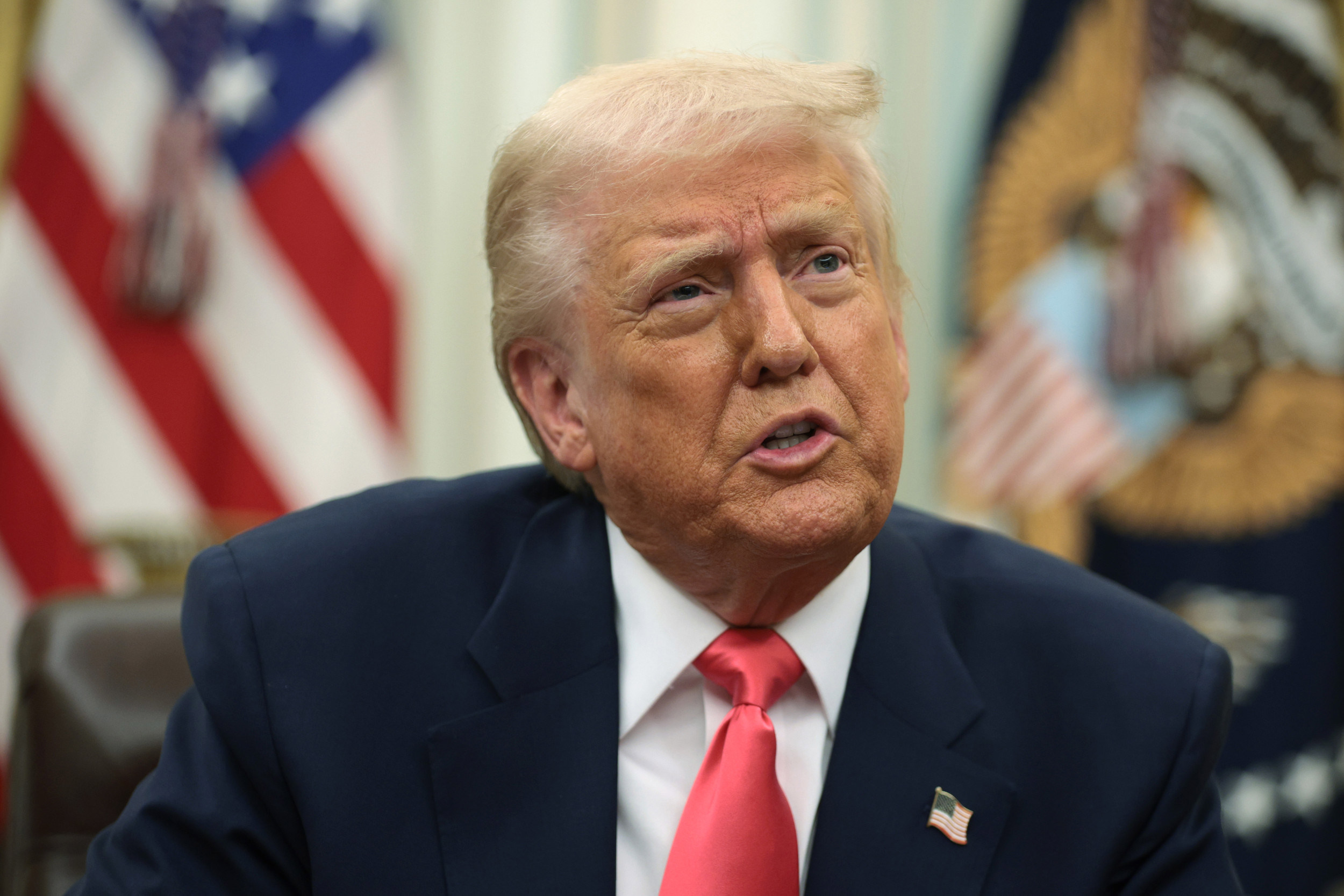

In a stark warning to the Republican Party, former President Donald Trump has declared that he could face impeachment if the Democrats win in the upcoming midterms 2022. This alarming prediction comes amid his concerns that such a victory would jeopardize his ambitious cryptocurrency policy agenda. During a crucial speech to House Republicans, Trump urged them to prioritize securing wins, suggesting that a Democratic triumph would give his rivals the leverage they need to pursue impeachment once again. With the Senate election odds favoring Democratic candidates, Trump’s assertion sheds light on the heightened stakes for both parties in these crucial elections. As voters grapple with pressing issues like rising living costs and party dynamics, the implications of this impeachment warning loom large over the electoral landscape.
As the midterm elections approach, Donald Trump’s recent remarks signal perilous times for the Republican Party, with potential repercussions echoing through the Senate and the House. He cautioned that a Democratic sweep could lead to renewed impeachment efforts against him, sparking significant conversations about his policies, particularly regarding cryptocurrencies. By framing his political fate in light of the impending electoral battles, Trump underscores the sensitive relationship between party performance and legislative agendas. This scenario unfolds against a backdrop of complex party dynamics, with both sides strategizing to capture voter sentiment amid shifting opinions on economic issues. As the midterms 2022 draw closer, the outcomes could reshape not only Trump’s presidency but also the broader ideological direction of both the Republican and Democratic parties.
Implications of Impeachment Threats for the GOP
Donald Trump’s recent warning to the Republican Party regarding potential impeachment highlights the high stakes of the upcoming midterm elections. If the Democrats manage to secure a win, Trump believes there will be ample ground for impeachment attempts, given his past experiences during his presidency. The pressures of maintaining a strong party front not only focus on electoral success but also the broader implications for Trump’s legislative agenda, including his controversial cryptocurrency policies. Impeachment threats cast a shadow over the GOP’s ability to unite and push forward key initiatives that could influence the party’s standing in future elections.
The division within the Republican Party itself could be exacerbated by these impeachment warnings. With Trump’s approval ratings declining among voters, the party faces a critical dilemma: rally behind Trump or pivot to more moderate stances that could appeal to a broader electorate. Furthermore, failure to secure victories in the midterms could embolden Democrats to pursue aggressive political maneuvers against Trump, possibly pushing for legislation that limits his ability to govern effectively. This scenario presents grave challenges for Republican candidates facing tight Senate election odds, particularly in battleground states, where every seat counts towards maintaining a majority.
The Dynamics of the 2022 Midterms and Trump’s Agenda
The midterm elections of 2022 are pivotal for the Republican Party, particularly not just for maintaining control of Congress but also for supporting Trump’s various policies, including those pertaining to cryptocurrency. With recent polling indicating a Democratic lead, Republicans must effectively strategize to counteract this momentum. If Trump’s party fails to regain confidence among voters, it could hinder legislative advancements on critical issues like cryptocurrency regulations, which are vital for maintaining a competitive edge in the financial landscape. Trump’s assertion about impeachment serves as a rallying cry for the GOP, forcing them to re-evaluate their strategies against an increasingly empowered Democratic opposition.
As the election draws near, the interplay between the Republican Party’s strategies and Trump’s controversial policies becomes increasingly complex. With many candidates concerned about emerging issues, the prospect of their party’s support dangling on the thread of impeachment discussions places additional stress on their campaigns. If the GOP can promote a unified front that effectively communicates a clear plan for cryptocurrency legislation, they may boost their chances in key Senate races while diminishing Democratic claims that find fault in Trump’s governance. If the base remains divided, it might translate into adverse outcomes during the midterms, which would complicate any future endeavors by the Republican Party.
Democratic Advantage in Midterm Polls: A Challenge for Republicans
Current midterm polling suggests a robust advantage for the Democratic Party, potentially affecting the Republican Party’s strategy as they approach the November elections. With nearly 80% odds favoring Democrats to win back the House, Trump’s fears of impeachment due to a loss weighed heavily on the GOP’s campaign strategies. Campaign fund allocations, candidate selections, and message focuses may pivot in response to this looming threat, essentially framing the narrative that failure to win could lead to a shift in power against Trump’s presidency. The need for a united front within the GOP becomes crucial to mitigate the risk of impeachment and preserve the party’s legislative agenda.
In light of these electoral dynamics, Republican candidates must address voter concerns and unite around Trump’s policies, including his approach to cryptocurrency, to effectively combat the Democratic surge. The Republican Party’s coherence in response to Democratic criticism can help in mitigating losses and counteracting the implications of impeachment warnings. However, discontent within party lines regarding Trump’s handling of cryptocurrency market regulations raises further complications, deterring some voters who might lean toward Democratic candidates. Therefore, strategic messaging and inclusiveness in the party’s positioning become essential if they wish to approach the elections with confidence.
Trump’s Cryptocurrency Policy: A Double-Edged Sword
Trump’s stance on cryptocurrency has been a hot topic of discussion within both political parties as the midterms approach. Supporters posit that advance regulation of the crypto market could bolster economic growth, while critics, including members of the Democratic Party, argue that his policies disproportionately favor wealthy crypto investors. Trump’s warning about impeachment suggests that his administration’s cryptocurrency initiatives hinge heavily on the Republican Party’s electoral success, raising concerns about the longevity and stability of these policies. For Republican candidates, aligning themselves with Trump’s crypto stance could alienate moderate voters who are skeptical of its potential consequences.
Furthermore, the recent discussions surrounding the potential bans on central bank digital currencies highlight ongoing friction within Republican ranks regarding cryptocurrency policy. Previous attempts to incorporate a CBDC ban into essential legislation underscore the complexity of the issue and the varying levels of support within the party. Despite these internal rifts, reinforcing support for Trump’s cryptocurrency agenda could help solidify the Republican base as they navigate the potential fallout from midterm elections. Any backlash resulting from dissatisfaction with Trump’s policies is compounded by fears of impeachment, making this particular aspect of his agenda a critical focus for GOP candidates.
Potential Outcomes of a Third Impeachment Trial
The prospect of a third impeachment trial for Trump raises questions about its implications for the Republican Party, particularly given current Senate election odds that favor maintaining a Republican majority. Polling data suggest a strong chance for Republicans to retain control of the Senate, yet if Democrats managed to flip key seats, the landscape could dramatically shift in their favor. A trial following a third impeachment could render the GOP vulnerable, spurring backlash from voters and potentially destabilizing Trump’s administration during critical legislative discussions ahead of the midterms.
If acquitted once again, this scenario could serve as a galvanizing point for the GOP, solidifying Trump’s influence over the party. However, should the Democrats successfully pursue impeachment, it would create a legislative stalemate that hampers all sides, preventing any progress on significant policies, such as those targeting the burgeoning cryptocurrency markets. Therefore, the stakes could not be higher for Republican candidates, who must navigate their campaign strategies while grappling with the realities of Trump’s tumultuous political legacy.
Internal Struggles within the Republican Party
As the midterms approach, the Republican Party faces significant internal struggles over key issues, including Trump’s approach to cryptocurrency. Certain factions within the GOP have openly criticized Trump’s policies, leading to potential rifts that could affect electoral outcomes. The friction surrounding cryptocurrency legislation, particularly resistance to central bank digital currencies, exemplifies this tension. If candidates fail to address these concerns adequately, they risk alienating key voter demographics who might seek bipartisan solutions rather than partisan divisions.
As candidates prepare for the midterms, they must consider these internal disparities, as well as the ongoing implications of Trump’s presidency. Balancing support for Trump’s policies with a clear acknowledgment of voter concerns could be crucial for Republicans seeking to maintain election viability. Enhancing party unity while tackling the emerging issues set forth by Democrats may allow Republicans to strengthen their resolve and potentially overturn the current polling disadvantage leading into November.
Impact of Voter Sentiment on Republican Strategy
Voter sentiment plays a crucial role in shaping the Republican Party’s strategy as they head into the midterms. Trump’s declining approval ratings signal growing unease among voters, particularly regarding economic issues, which presents an opportunity for the Democratic Party to capitalize on these sentiments. A successful campaign strategy will depend on understanding and addressing the concerns that plague voters across the nation, particularly related to inflation and economic stability. Republicans must pivot their messaging effectively to reassure their base and win undecided voters.
Furthermore, the connection between voter sentiment and impeachment threats is palpable. By framing the imperative to win the midterms as a safeguard against potential impeachment, Trump encourages party loyalty, but also necessitates an examination of the underlying issues affecting voter opinions. Striking a balance between rallying to protect Trump and addressing constituents’ needs may become a defining characteristic of Republican strategies leading up to the elections, particularly if they wish to retain pivotal House and Senate seats.
Legislative Agendas at Stake: Trump vs. Democrats
The outcomes of the midterm elections are poised to significantly influence both Trump’s legislative agenda and the Democratic Party’s ambitions. If Democrats secure control of the House, they may set their sights on dismantling key aspects of Trump’s policies, including those related to cryptocurrency regulations. This potential confrontation could result in a political climate marked by heightened conflict and gridlock, thwarting both party’s ability to enact their respective agendas. Republican candidates must therefore prioritize clear messaging around preserving and promoting Trump’s initiatives to counteract these challenges.
Moreover, the dynamics at play surrounding potential impeachment and voter reactions could further intensify the stakes for the Republican Party. As they navigate the complexities of legislative competition against a Democratic-led agenda, party cohesion and candidate resolve will be critical in maintaining their presence in Congress. The ability to effectively communicate the implications of a Democratic victory not only on Trump but also on their proposed policies will become essential for Republicans seeking to maintain control and influence in the Senate.
Frequently Asked Questions
What does Trump’s impeachment warning mean for the Republican Party in the midterms 2022?
Trump’s impeachment warning serves as a rallying cry for the Republican Party as they approach the midterms 2022. He implies that losing control in the midterms could lead to Democrats seeking grounds for impeachment, risking his cryptocurrency policy agenda and overall governance.
How could the midterms 2022 influence Trump’s cryptocurrency policy agenda?
The midterms 2022 may significantly impact Trump’s cryptocurrency policy agenda. If Democrats win control of the House and Senate, they could obstruct or overturn key legislation that Trump supports, especially regarding crypto market regulations.
Why is Trump concerned about impeachment if Democrats win the midterms?
Trump is concerned about impeachment if Democrats win the midterms due to the political climate and past experiences with impeachment. He believes that a Democratic majority could lead to renewed efforts to charge him over his actions, particularly those related to his cryptocurrency dealings.
What are current Senate election odds regarding Trump’s potential impeachment?
Current Senate election odds indicate that Republicans have a 67% chance of retaining control during the midterms. This scenario is crucial for Trump, as losing the Senate could empower Democrats to pursue impeachment and impede his policy initiatives.
How have Trump’s impeachment warnings affected voter perception in the midterms 2022?
Trump’s impeachment warnings have sparked discussions among voters about the implications of their midterm choices. With polls suggesting Democrat leads, concerns about his presidency being jeopardized could motivate GOP voters to turn out and support Republicans.
What impact could a Democratic victory in the midterms have on Trump’s legislative agenda?
A Democratic victory in the midterms would likely lead to significant challenges for Trump’s legislative agenda, including stagnation on key issues such as cryptocurrency policy. A divided Congress could result in legislative gridlock, severely limiting Trump’s effectiveness in his final term.
Why do some congressional members believe Trump should be impeached related to cryptocurrency?
Some members of Congress, including Democrats, argue that Trump’s actions related to cryptocurrency, such as engaging with major meme coin holders, warrant impeachment due to alleged misuse of power. This sentiment reflects broader concerns about his influence over financial legislation.
What historical context surrounds Trump’s impeachment warnings related to midterms?
Trump’s impeachment warnings are rooted in his past impeachments — the first in 2019 and the second in 2021. This historical context underscores his sensitivity to Democratic control and its potential to ignite further impeachment discussions, especially during crucial election cycles like the midterms.
| Key Point | Details |
|---|---|
| Trump’s Warning | Trump warns that he will face impeachment by Democrats if the GOP does not win the midterm elections. |
| Impeachment Threat | Trump stated, “They’ll find a reason to impeach me,” showing his concern if the party fails to secure victories. |
| Approval Ratings | Trump’s approval rating has dropped to 42% amid public dissatisfaction over economic issues. |
| Polling Odds | Polling indicates that Democrats are favored to win the midterms, with an 80% likelihood of taking the House. |
| Previous Impeachments | Trump has been impeached twice before: in 2019 for abuse of power and in 2021 for inciting insurrection. |
| Cryptocurrency Legislation | Key crypto legislation, including a market structure bill, is pending, highlighting the GOP’s uncertainty in passing it. |
| Senate Control Odds | Polymarket predicts a 67% chance that Republicans will retain the Senate despite potential impeachment issues. |
| Internal Party Resistance | Some GOP members resist Trump’s cryptocurrency plans, impacting legislative progress and unity within the party. |
Summary
The Trump impeachment warning emphasizes the former president’s assertion that losing the midterm elections to Democrats could lead to renewed impeachment efforts against him. With striking polling data favoring the Democrats, Trump is rallying Republicans to secure victories in order to protect his presidency and legislative agenda, particularly concerning cryptocurrency policies. The specter of impeachment hangs over the GOP as they navigate internal divisions and public discontent, particularly regarding economic management.
Related: More from Regulation & Policy | EU Crypto Taxes: Practical Implications Explained | UK FCA to Consider Cryptos for Gambling Payments