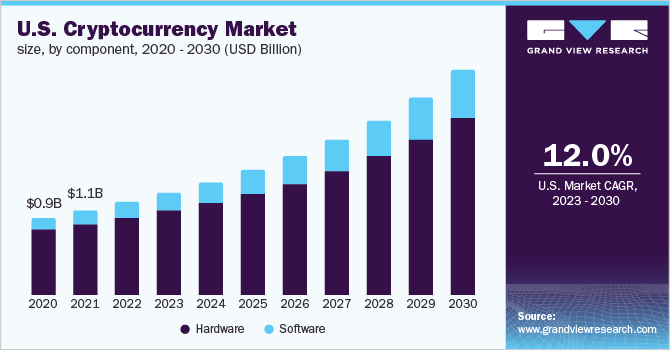

In recent developments, the U.S. Cryptocurrency Market Structure Bill faces significant delays, with experts from TD Cowen forecasting it may not be enacted until 2027, and full implementation likely pushed to 2029. This crucial legislation is intended to establish a comprehensive cryptocurrency regulatory framework, outlining guidelines for digital assets that are increasingly gaining traction in the financial ecosystem. As political dynamics shift in Congress, the likelihood of swift progress on this cryptocurrency legislation timeline seems bleak, particularly with the upcoming 2026 midterm elections looming over negotiations. Conflicts of interest, especially concerning government officials, pose additional hurdles that need addressing before consensus can be achieved. Investors and stakeholders in the cryptocurrency sector watch closely, as these developments could reshape the U.S. market structure, influencing the future landscape of digital currencies and their regulation.
The recent discourse surrounding the U.S. market structure bill for digital currencies highlights ongoing challenges in establishing a robust regulatory environment for the cryptocurrency sector. With potential delays extending into 2027, many are concerned about the implications for investors and market participants eager for clarity. Analysts at TD Cowen emphasize the importance of this legislative framework as it will determine the compliance requirements and overall functioning of the digital asset market. As discussions unfold, it becomes essential to monitor how political factors may impact the cryptocurrency oversight landscape and what this means for the future of digital currency regulation in the United States. The anticipation surrounding the impending changes underscores a critical moment for the digital economy as stakeholders prepare for regulatory developments.
Understanding the U.S. Cryptocurrency Market Structure Bill
The U.S. Cryptocurrency Market Structure Bill is considered a landmark piece of legislation aimed at establishing a regulatory framework tailored specifically for digital currencies. As the rapid evolution of the cryptocurrency landscape continues, this bill intends to clarify the roles of various stakeholders in the market, from consumers to institutional investors. However, recent insights from TD Cowen suggest that this crucial piece of legislation may not see the light of day until 2027, pushing its implementation potentially back to 2029. This timeline raises concerns about how the delay may impact ongoing developments within the cryptocurrency space.
The bill promises to address critical issues within the existing framework and create a more structured environment for cryptocurrency transactions. Among the proposed considerations are regulations on the trading of digital assets, investor protections, mining standards, and potential taxation implications. As the cryptocurrency regulatory framework remains murky, stakeholders are looking at the progress of this bill as a beacon of hope for clearer guidelines and increased legitimacy for digital currencies, further emphasizing the need to expedite the legislative process.
Implications of Delays in Cryptocurrency Legislation
The anticipated delays in the U.S. market structure bill could have significant ramifications for cryptocurrency enthusiasts, investors, and the market at large. Political maneuvering and priorities, particularly leading up to the 2026 midterm elections, play a critical role in the timeline for legislative actions. This period of uncertainty may hinder innovation and adoption as companies within the cryptocurrency sector face an unstable regulatory environment. Furthermore, an ineffective regulatory framework could lead to increased scrutiny and even more stringent regulations in the future.
Moreover, the anticipated timeline for 2027 could mean that businesses and investors will have to navigate a prolonged phase of speculation regarding rules and operational standards. Companies like TD Cowen emphasize that the lack of clear regulation could stifle investment and technological advancements in the crypto space. As uncertainty looms, stakeholders are urged to proactively prepare for potential changes in the legislative landscape, exploring contingency measures to mitigate risks associated with an indecisive regulatory environment.
Frequently Asked Questions
What is the purpose of the U.S. Cryptocurrency Market Structure Bill?
The U.S. Cryptocurrency Market Structure Bill aims to establish a clear regulatory framework for the cryptocurrency market. It seeks to address various aspects of cryptocurrency legislation, including conflict of interest provisions and participation rules for government officials. This bill is a crucial step in setting comprehensive guidelines for cryptocurrency operations in the U.S.
Why might the U.S. market structure bill for cryptocurrency be delayed until 2027?
According to reports from TD Cowen, the U.S. Market Structure Bill for cryptocurrency may be delayed until 2027 due to political maneuvering in Congress. Factors such as the upcoming 2026 midterm elections and disagreements among lawmakers over specific provisions, such as conflict of interest restrictions, contribute to this delay.
What are the key provisions being debated in the U.S. Cryptocurrency Market Structure Bill?
Key provisions being debated in the U.S. Cryptocurrency Market Structure Bill include conflict of interest rules that could restrict participation by senior government officials and their families in the cryptocurrency sector. These discussions are pivotal in shaping how the regulatory framework will function and reflect the current political climate.
How does the delay of the U.S. cryptocurrency market structure bill impact the regulatory landscape?
The delay of the U.S. cryptocurrency market structure bill significantly affects the regulatory landscape by leaving existing uncertainties in the market. Without a clear framework, businesses and investors may face challenges in compliance and operations, potentially stalling growth and innovation within the cryptocurrency industry.
What is the expected timeline for the implementation of the U.S. Cryptocurrency Market Structure Bill?
While the U.S. Cryptocurrency Market Structure Bill may not be passed until 2027, its implementation is anticipated to occur around 2029. This timeline reflects the complex legislative process and the need for bipartisan support to move forward with this pivotal piece of cryptocurrency legislation.
How does the U.S. cryptocurrency legislation timeline correlate with market events?
The U.S. cryptocurrency legislation timeline, which includes the potential delay of the Market Structure Bill to 2027, can significantly influence market sentiment and investor confidence. As clarity on regulations remains pending, market participants are likely to be cautious, awaiting definitive legislative action before making substantial investments.
What implications does the U.S. cryptocurrency market structure bill hold for TD Cowen’s analysis?
TD Cowen’s analysis on the U.S. cryptocurrency market structure bill highlights the potential for delays and the complex political landscape affecting its passage. Their report suggests that these factors could result in a prolonged wait for regulatory clarity, impacting investment strategies and market behaviors among stakeholders in the cryptocurrency space.
| Key Point | Details |
|---|---|
| Potential Delay | The U.S. Market Structure Bill might not be enacted until 2027, with implementation likely in 2029. |
| Political Factors | The Democratic Party is not motivated to expedite the legislation due to upcoming midterm elections. |
| Conflict of Interest Provisions | Main disagreements center around restrictions on senior officials and their families in the cryptocurrency business. |
| Need for Bipartisan Support | At least 60 votes in the Senate are required for the bill to pass. |
| Future Outlook | Delays in this bill could extend the regulatory uncertainty in the cryptocurrency market. |
Summary
The U.S. Cryptocurrency Market Structure Bill may face significant delays, potentially not being enacted until 2027, with implementation anticipated in 2029. This delay is largely attributed to political factors surrounding the upcoming midterm elections and disagreements within the draft regarding conflict of interest provisions. With the necessity for bipartisan support, the progression of this bill remains uncertain, leaving the cryptocurrency market in a prolonged state of regulatory ambiguity. As stakeholders await clarity on the bill, the ongoing political dynamics will be crucial in shaping the cryptocurrency landscape in the U.S.
Related: More from Market Analysis | Figure Shares Drop After Mixed Q4 Results as Crypto Loan Volume Grows | Barclays Looks at Blockchain for Payments, Deposits