


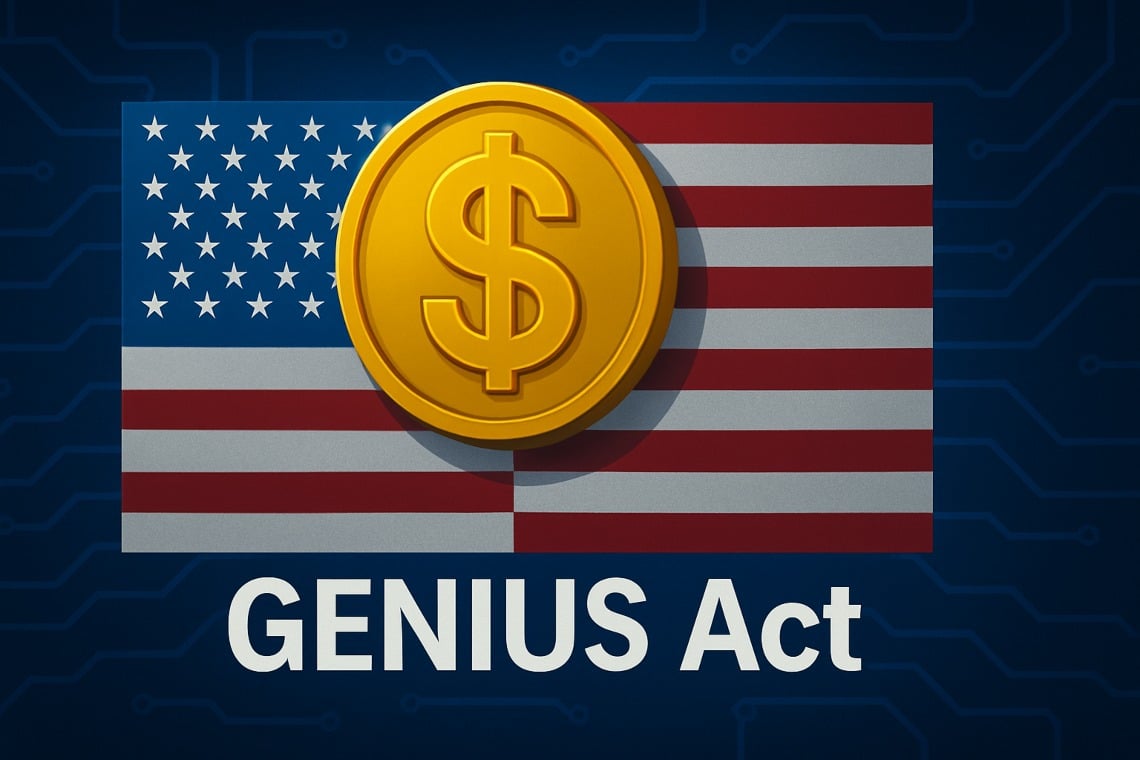

The GENIUS Act has stirred significant debate among lawmakers and the public alike, as U.S. Senator Warren Davidson passionately argues against its implications for financial freedom in America. He warns that this legislation, focused on the regulation of stablecoins, could lead to increased government surveillance and restrict individual privacy over financial transactions. Davidson’s concerns extend to the potential establishment of a Central Bank Digital Currency (CBDC) that could threaten the foundational principles of cryptocurrency, such as anonymity and decentralization. By advocating for tighter controls through bills like the GENIUS Act, critics fear that the U.S. may sacrifice the empowering promise of financial innovation for a more regulated financial system. This urgent discussion highlights the need for a balanced approach to cryptocurrency legislation that safeguards personal freedoms while promoting responsible growth in the digital economy.
In recent discussions surrounding upcoming financial reforms, the GENIUS Act has emerged as a contentious piece of legislation aimed at regulating digital currencies, particularly stablecoins. Lawmakers, including Senator Warren Davidson, express serious concerns that such measures could undermine individual liberties and usher in unwarranted government oversight of personal finances. The conversation has shifted towards the need for a discerning regulatory framework that maintains the core benefits of cryptocurrencies, such as financial privacy and peer-to-peer transaction capabilities. As debates continue, it’s crucial to analyze the implications of these regulations not just on innovation but on the safeguarding of citizens’ financial independence. The overall dialogue focuses on reconciling governmental oversight with the revolutionary spirit of cryptocurrency and the potential implementation of Central Bank Digital Currencies.
The Impact of the GENIUS Act on Financial Freedom
The GENIUS Act, as proposed by Senator Warren Davidson, raises significant concerns regarding the potential erosion of financial freedom for Americans. This legislation aims to regulate stablecoins, which are a crucial component of the cryptocurrency ecosystem that many people rely on for transactions. However, Davidson argues that the bill could lead to a tightly controlled financial landscape, where individuals face restrictions and limitations on their economic activities. This aspect of the GENIUS Act may not only diminish personal choice but also infringe upon the fundamental rights to privacy and autonomy in financial transactions.
Furthermore, the potential introduction of a Central Bank Digital Currency (CBDC) under the framework of the GENIUS Act may pose challenges for economic independence. Advocates of cryptocurrency legislation often emphasize the importance of decentralized currencies, which empower individuals to conduct peer-to-peer transactions without intermediaries. By shifting toward a chartered system that fosters oversight and surveillance, the GENIUS Act could effectively undermine the very principles that make cryptocurrencies appealing, thus alerting citizens to the dangers of relinquishing control over their financial futures.
Surveillance Concerns Linked to Central Bank Digital Currency
Senator Davidson has vocalized his apprehensions regarding the integration of a CBDC within the context of the GENIUS Act. He warns that such a development could facilitate a form of financial surveillance that extends the government’s reach into citizens’ everyday transactions. The design of a CBDC may allow for unprecedented monitoring capabilities, where individuals would have to seek governmental permission to use their own funds. This scenario not only raises ethical dilemmas about privacy but also evokes concerns about liberty and freedom in society.
The implications of a government-controlled digital currency extend beyond mere privacy issues. In a financial system where every transaction is tracked and scrutinized, citizens may find themselves at the mercy of surveillance tactics that can lead to coercion. The notion of financial freedom hinges on the ability to transact without fear of retribution or oversight, which Davidson purports is threatened by the GENIUS Act. As citizens advocate for the preservation of their rights, the contrast between a decentralized financial model and a potential CBDC becomes increasingly pronounced.
Critique of Current Cryptocurrency Legislation
The current landscape of cryptocurrency legislation, including the proposed GENIUS Act, has attracted both support and criticism from various sectors. Critics, like Senator Davidson, assert that these regulatory measures fail to uphold the foundational ethos of cryptocurrencies—permissionless and private transactions. By imposing regulations and introducing oversight mechanisms, such bills threaten to stifle innovation within the cryptocurrency sector and inhibit the financial independence that many have come to associate with digital currencies.
Moreover, as more lawmakers attempt to navigate the complexities of digital finance, the risk of uninformed legislation increases. Effective cryptocurrency legislation should promote financial innovation while safeguarding individual rights, yet many proposals lean toward enhanced regulation and control. The synergy between legislative measures and the burgeoning cryptocurrency ecosystem must foster an environment conducive to growth without compromising the freedoms that these technological advancements promise.
Resistance to Globalist Surveillance State
The rhetoric surrounding financial surveillance has sparked a broader conversation about the implications of government interference in personal finance. Senator Warren Davidson and his supporters advocate for a rejection of what they consider to be a globalist surveillance state that threatens citizen autonomy. The rise of legislation like the GENIUS Act is seen as a step towards centralization and control, leading to calls for an urgent reassessment of these policies. Advocates of cryptocurrency argue that financial tools should empower individuals, not enslave them under stringent regulations.
Resistance to a surveillance-oriented approach is gaining traction as citizens demand transparency and autonomy in their financial dealings. The underlying fear is that legislation designed to control could backfire, ultimately resulting in a society where the government exerts undue influence over individual choices. This ethos is deeply rooted in the original intentions behind cryptocurrencies like Bitcoin, which sought to create a decentralized, permissionless payment system, allowing individuals to regain control over their finances.
Role of Stablecoins in the Future Financial Landscape
Stablecoins have emerged as a vital element within the cryptocurrency ecosystem, offering a bridge between traditional finance and digital currency. Designed to maintain a stable value, stablecoins provide a reliable medium for transactions, thereby enhancing user confidence in the digital currency space. Senator Davidson highlights the importance of ensuring that stablecoins remain an option for individuals seeking financial freedom, rather than a vehicle for increased regulation and oversight as proposed in the GENIUS Act.
However, the evolution of stablecoins in the context of cryptocurrency legislation could lead to an entirely new dynamic. If regulatory measures favor centralized solutions, such as governmental endorsements of certain stablecoins, it could risk sidelining the decentralized movements that have characterized the crypto market. By advocating for balanced legislation that acknowledges the unique benefits of stablecoins without imposing excessive control, lawmakers can support continued innovation while maintaining the principles of autonomy and financial flexibility.
The Dangers of Digital ID Systems in Financial Transactions
A concerning aspect of the GENIUS Act is the potential implementation of a digital ID system, which could mandate that individuals gain approval from the government to access their own funds. This requirement could fundamentally alter the landscape of personal finance, reducing the independence of citizens and leading to an atmosphere of compliance rather than freedom. The thought of having to rely on government permission for personal transactions raises red flags for advocates of financial privacy.
The introduction of such a system could pave the way for increased governmental control, fostering an environment where financial behavior is monitored and restricted. This contradicts the broad aspirations of cryptocurrency supporters, who envision a world where individuals can engage in transactions free from external influence. As more voices emerge to oppose these measures, the consequences of implementing a digital ID system in financial transactions continue to be a pressing concern.
Empowering Citizens Through Financial Independence
The essence of cryptocurrencies, particularly Bitcoin, revolves around empowering individuals to engage in economic activities without excessive interference. Advocates like Senator Davidson emphasize the importance of maintaining financial independence amid evolving regulatory frameworks. Allowing individuals to control their finances is crucial for fostering innovation within the sector and promoting overall economic growth. Financial independence is more than just a concept; it is an essential aspect of individual liberty.
Efforts to protect financial independence must counteract rising regulatory pressures that threaten to stifle personal choice. By focusing on legislation that supports innovation rather than control, lawmakers can enable citizens to thrive in a digital economy. The call is clear: to preserve the benefits of emerging technologies while safeguarding the freedoms that underlie our financial systems.
Revisiting the Promise of Peer-to-Peer Payment Systems
The initial vision of cryptocurrencies was to develop secure, peer-to-peer payment systems that allow users to transact directly without the need for intermediaries. As discussions around the GENIUS Act unfold, there is a growing concern that this vision is at risk. Compliance-focused regulations could curtail the growth of decentralized finance (DeFi) platforms and raise barriers for ordinary users wishing to engage with cryptocurrencies.
Advocates for cryptocurrency legislation must prioritize the rejuvenation of the foundational promise of financial freedom that peer-to-peer systems represent. Senator Davidson’s warnings about the implications of the GENIUS Act serve as a rallying cry for supporters of decentralized finance, urging citizens to reclaim their financial autonomy. By fostering a legislative environment that encourages participation and innovation, the essence of cryptocurrencies can be safeguarded for future generations.
Collaborative Efforts Against Overregulation in Cryptocurrency
As discussions about cryptocurrency evolve, collaborative efforts among stakeholders become increasingly essential. Lawmakers, industry experts, and everyday users must unite to advocate for balanced regulations that nurture the cryptocurrency landscape without imposing unnecessary restrictions. Senator Davidson’s criticisms of the GENIUS Act bring to light the need for collective action among those who value financial freedom and innovation.
This collaborative approach can empower citizens to voice their concerns and contribute to shaping sound cryptocurrency legislation. By engaging in constructive dialogues about the direction of regulation, stakeholders can present a united front against overregulation that stifles financial independence. The path forward requires cooperation and a shared commitment to preserving the core tenets of cryptocurrency that promise a more liberated financial future.
Frequently Asked Questions
What is the GENIUS Act and how does it relate to financial freedom in the U.S.?
The GENIUS Act is a legislative proposal primarily focused on stablecoins, which U.S. Senator Warren Davidson argues may threaten Americans’ financial freedom and privacy. He believes that the Act could lead to increased government oversight in the financial system, moving away from the foundational principles of cryptocurrency that emphasize permissionless and private transactions.
How does Senator Warren Davidson view the potential effects of the GENIUS Act on cryptocurrency legislation?
Senator Warren Davidson has expressed strong opposition to the GENIUS Act, stating that it undermines the original promise of the cryptocurrency industry. He believes that the legislation could pave the way for a centrally controlled financial system, diminishing individual freedom and privacy in financial transactions.
What concerns do critics have regarding the Central Bank Digital Currency (CBDC) in relation to the GENIUS Act?
Critics, including Senator Davidson, argue that the GENIUS Act’s framework could facilitate the introduction of a Central Bank Digital Currency (CBDC), which they warn could be misused for government surveillance and control over individuals’ finances. This raises concerns about the potential erosion of financial autonomy and privacy.
Why do some U.S. lawmakers oppose the GENIUS Act in terms of stablecoins and surveillance?
Lawmakers such as Senator Marjorie Taylor Greene oppose the GENIUS Act as they believe it sets the stage for a government-controlled financial environment that includes a digital ID system. They fear this could require individuals to seek government permission to access or utilize their own funds, which they view as an invasion of privacy and a step towards an overly monitored financial landscape.
What are the key implications of the GENIUS Act for the future of stablecoins and financial privacy?
The GENIUS Act’s implications for the future of stablecoins and financial privacy are significant. If enacted, it could lead to stricter regulations and oversight, potentially turning stablecoins into tools of a surveilled financial system rather than instruments of financial freedom, undermining the privacy and decentralization that were central tenets of cryptocurrency.
How does the GENIUS Act contrast with the foundational goals of Bitcoin and cryptocurrency?
The GENIUS Act contrasts starkly with the foundational goals of Bitcoin and cryptocurrency, which advocate for a permissionless and private system of transactions. Senator Davidson argues that the Act moves toward a regulated and monitored financial framework, which he believes betrays the initial values of decentralization and user autonomy in financial dealings.
| Key Points | Details |
|---|---|
| Senator Warren Davidson’s Concerns | The GENIUS Act could undermine financial freedom and privacy. |
| Financial System Transformation | The U.S. is moving towards a tightly monitored financial system. |
| Effect on Cryptocurrency | Legislation risks undermining the promise of permissionless and private currency. |
| Design Implications | Facilitates a wholesale version of the U.S. Central Bank Digital Currency (CBDC). |
| Surveillance Concerns | The GENIUS Act could lead to surveillance and control of digital transactions. |
| Digital ID System | May require Americans to get government permission to use their own funds. |
| Opposition from Marjorie Taylor Greene | She aligns with Davidson’s view and opposes the GENIUS Act. |
Summary
The GENIUS Act raises significant concerns regarding financial freedom and privacy rights in the evolving landscape of U.S. currency. Critics like Senator Warren Davidson and Marjorie Taylor Greene warn that this legislation could pave the way for surveillance-driven financial systems, reminiscent of a Central Bank Digital Currency framework. By establishing a digital ID system, the GENIUS Act may impose undue restrictions on American citizens, moving away from the core principles of cryptocurrency, which advocate for decentralization and user autonomy. For those invested in the future of digital currencies, the implications of the GENIUS Act warrant thorough consideration and discourse.
Related: More from Regulation & Policy | UK Gambling Regulator Examines Cryptocurrencies for Licensed Bettors in Crypto Regulation | Blocks Retreat Signals Broader Payments Shifts