

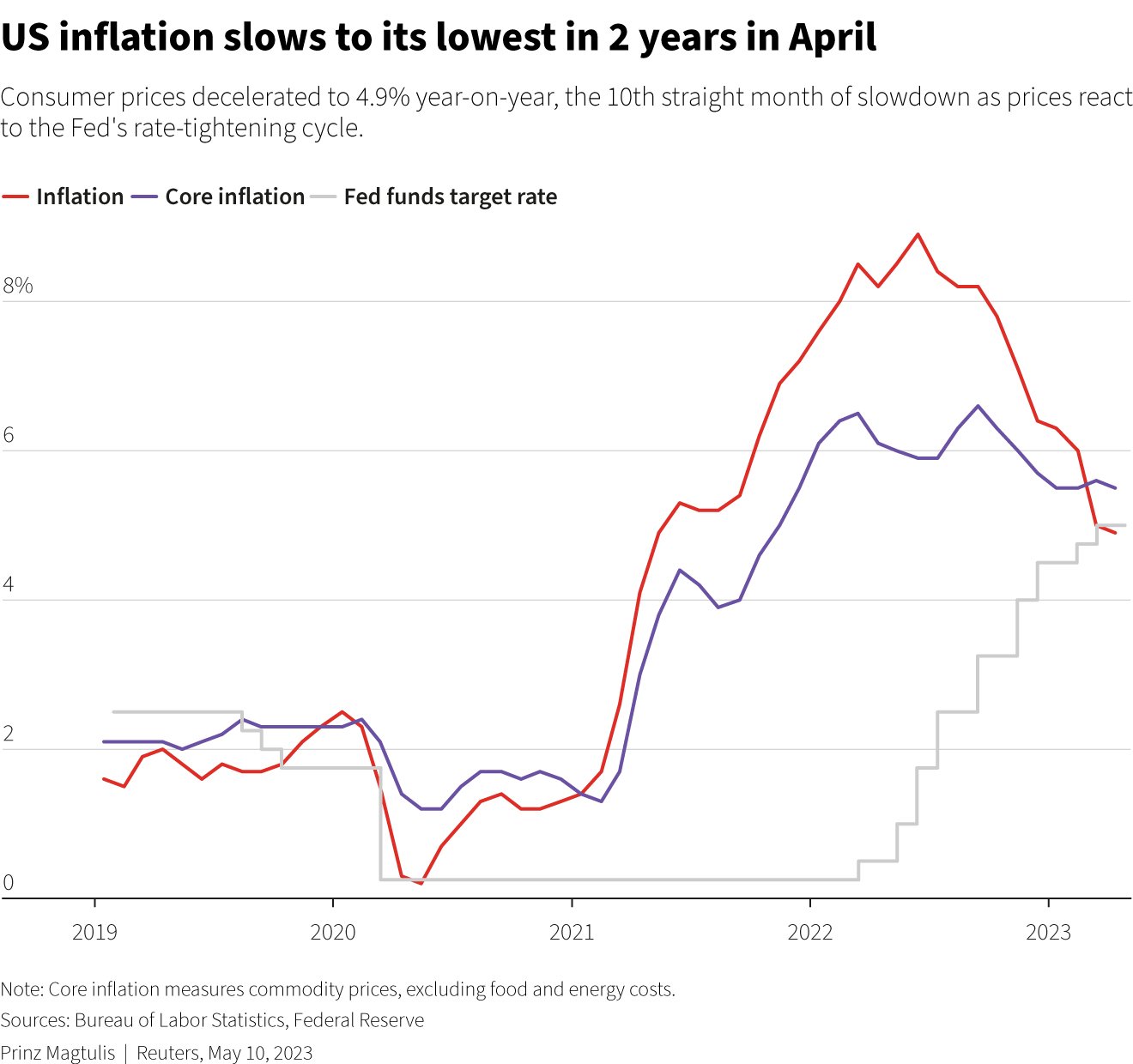

U.S. inflation growth has become a focal point for economists and policymakers alike, especially with recent statements from Treasury Secretary Behnam, who anticipates a decline in inflation rates as we head into next year. This outlook aligns with the broader U.S. economic outlook, which aims for stability and resilience against rising prices. As inflation trends 2024 are assessed, many are eager to understand the implications of low inflation forecasts and how they will affect consumer behavior and investment strategies. Inflation rate predictions are vital for businesses and households planning their financial futures amidst fluctuating economic conditions. Keeping a close eye on these developments is necessary as they could shape the economic landscape significantly in the coming months.
Considering the recent discourse on the cost of living, the growth of inflation within the U.S. has captured widespread attention, particularly regarding government predictions about future price trends. With Behnam, the Treasury Secretary, leading the conversation, there’s a prevailing expectation for manageable inflation levels that could foster economic confidence. Understanding continuous shifts in this financial context is critical for evaluating the potential health of the American economy. Various stakeholders are now more focused than ever on trends that could influence their decisions moving forward. As we navigate inflation’s complexities and the uncertainties of the year ahead, staying informed about economic forecasts and general inflation patterns becomes paramount.
Understanding U.S. Inflation Growth
Inflation growth in the U.S. has been a topic of significant concern and interest among economists and the general public alike. Recently, U.S. Treasury Secretary Behnam provided optimistic insights into future inflation trends, suggesting that the nation is on track to achieve low inflation growth in the coming years. This perspective aligns with a broader economic narrative that predicts a stabilized inflation rate, greatly influencing consumer spending and investment decisions.
The implications of low inflation growth are substantial for the U.S. economic outlook. Lower inflation often signifies a healthier economy, enabling consumers to maintain purchasing power. Furthermore, businesses can operate with greater certainty regarding costs and prices, encouraging long-term investments. As inflation trends continue to evolve, closely monitoring the forecasts presented by officials like Behnam will be crucial for understanding the intricacies of future economic conditions.
Behnam’s Insights on Inflation Rate Predictions
Treasury Secretary Behnam’s statements about inflation rate predictions have caught the attention of many stakeholders in the economic landscape. His remarks emphasize that inflation will persist but at a much more manageable level, validating the low inflation forecast made by several financial analysts. This assurance lays a foundation for markets to stabilize and for policymakers to make informed decisions moving forward.
In addition to inflation predictions, Behnam’s insights also shed light on the potential ripple effects of these trends on the U.S. economy. By maintaining low inflation rates, the government aims to bolster consumer confidence and facilitate steady economic growth. As inflation trends 2024 unfold, businesses, investors, and consumers will need to be cognizant of how these forecasts might shape their future strategies and behavior.
The U.S. Economic Outlook for 2024
As we approach 2024, the U.S. economic outlook is closely intertwined with the projected inflation trends. Economic indicators have begun to reflect steadiness, and with Treasury Secretary Behnam’s commitment to maintaining low inflation growth, many analysts are optimistic about what the next year could bring. A low inflation environment not only supports consumer spending but also fosters a robust job market, leading to an overall sense of economic stability.
However, achieving this economic stability hinges on various factors, including global economic conditions and domestic policies. As the inflation rate predictions continue to emerge, they will play a pivotal role in shaping fiscal strategies and consumer behavior. Stakeholders across the board will need to monitor these developments to ensure that the expected economic growth aligns with the goals set forth by Treasury officials.
Inflation Trends in 2024: What to Expect
Inflation trends in 2024 are anticipated to reflect a crucial turning point for the American economy. While Treasury Secretary Behnam’s forecasts suggest an environment of low inflation growth, market analysts are keenly observing external influences that may impact this trajectory. Disruptions from global supply chains or energy prices could lead to fluctuations that affect inflation rates unexpectedly.
Understanding these inflation trends becomes essential for both businesses and consumers to plan their financial strategies effectively. If the goal of achieving low inflation persists, policies will need to adapt continually, keeping in mind how inflation impacts savings, investments, and overall economic activity. As experts refine their forecasts, the commitment to maintain an inflation rate conducive to growth remains paramount.
The Role of Fiscal Policy in Managing Inflation
Fiscal policy plays a fundamental role in managing inflation within the U.S. economy. By implementing strategic government spending and tax adjustments, Treasury Secretary Behnam aims to create an environment that supports low inflation growth. The coordination between fiscal measures and monetary policy is central to maintaining equilibrium in inflation rates, influencing everything from consumer confidence to interest rates.
In 2024, the effects of these fiscal strategies will be closely linked to inflation rate predictions made by economic analysts. Should the government continue on its path to manage inflation effectively, it could reinforce consumer spending habits and enhance overall economic conditions. Policymakers must remain agile to respond to any shifts in inflation trends that may challenge these efforts.
Consumer Confidence Amid Low Inflation Growth
Consumer confidence is a crucial barometer of economic health, especially amid low inflation growth conditions. Consumers are more likely to spend and invest when they believe that prices will remain stable. Treasury Secretary Behnam’s assertion of low inflation growth is aimed at reinforcing public confidence, which can lead to increased shopping activity and investment in the economy.
As inflation rates stabilize, consumers are likely to feel more secure in their financial situations. This shift in sentiment could create a positive feedback loop, where increased spending fuels further economic growth. Tracking consumer confidence alongside inflation trends will be important in evaluating the overall state of the U.S. economy.
Global Influences on U.S. Inflation Rates
The interplay between global economic dynamics and U.S. inflation rates is a complex but vital area of analysis. External factors such as international trade relations, currency fluctuations, and geopolitical instability can dramatically influence domestic inflation. Treasury Secretary Behnam’s commitment to low inflation growth must take into account these global influences, as they often dictate how inflation trends unfold in the U.S.
In 2024, as other nations grapple with their own inflation challenges, the effects on the U.S. economy will be closely monitored. Understanding how international price changes and trade agreements affect the U.S. inflation landscape is critical for crafting effective fiscal policies. Awareness of these global influences will inform both policymakers and consumers as they navigate the challenges presented by inflation.
Investment Strategies in a Low Inflation Environment
Navigating investment strategies in a low inflation environment requires a strategic approach from investors. As Treasury Secretary Behnam projects continued low inflation growth, investors must reassess their asset allocations to optimize returns in such conditions. Typically, low inflation environments foster more predictable returns, allowing investors to identify opportunities in stocks, bonds, and real estate.
Moreover, low inflation growth may lead to lower interest rates, influencing borrowing costs. Investors may benefit from seeking leverage in their investments, tapping into low mortgage rates for property purchases or borrowing for business expansion. Adjusting to these economic conditions is crucial for maximizing investment outcomes as the inflation outlook evolves.
Impact of Employment Rates on Inflation Trends
Employment rates and inflation trends are inextricably linked, with the labor market often serving as an indicator of overall economic health. As jobs become more available and wages increase, consumer spending tends to rise, which can influence inflation. Treasury Secretary Behnam’s focus on achieving low inflation growth will undoubtedly be influenced by the robustness of the job market leading into 2024.
Ensuring that employment remains high is essential for maintaining stable inflation rates. If the labor market continues to strengthen, it could provide the solid foundation needed for economic expansion, allowing consumers to navigate potential price increases more effectively. Monitoring employment trends alongside inflation predictions will be crucial for policymakers aiming to sustain economic growth.
Long-Term Economic Strategies for Sustaining Low Inflation
Establishing long-term economic strategies is vital for sustaining low inflation in the U.S. Treasury Secretary Behnam has highlighted the significance of proactive fiscal and monetary policies, which can help stabilize inflation rates over time. By focusing on infrastructure investments, education, and enhancing workforce skills, the government can address economic challenges that may arise while also preventing runaway inflation.
As we look toward the future, creating policies that stimulate sustainable growth will be imperative in keeping inflation rates manageable. Strategic planning that encompasses various sectors and regions will foster resilience in the economy, ensuring that low inflation can be achieved without sacrificing job creation or consumer confidence. These long-term strategies will be essential for navigating the complexities of the economic landscape.
Frequently Asked Questions
What is the current U.S. inflation growth forecast for 2024?
The current U.S. inflation growth forecast for 2024 indicates a continued trend towards low inflation, driven by effective fiscal policies and market stabilization efforts. Treasury Secretary Behnam emphasizes that this outlook reflects anticipated economic adjustments.
How are inflation rate predictions affecting the U.S. economic outlook?
Inflation rate predictions are critical for shaping the U.S. economic outlook. As inflation trends indicate a move towards stabilization, policymakers are optimistic about maintaining low inflation growth, which is crucial for consumer confidence and economic recovery.
What factors contribute to the anticipated low inflation growth in the U.S.?
Anticipated low inflation growth in the U.S. can be attributed to a combination of factors including strategic fiscal policies outlined by Treasury Secretary Behnam, adjustments in supply chains, and a cautious consumer spending environment.
What are the inflation trends for the U.S. in 2024 according to the latest predictions?
Inflation trends for the U.S. in 2024 suggest a moderated inflation rate, aligning with Treasury Secretary Behnam’s indications of low inflation growth, reinforced by economic policies aimed at curbing volatility and enhancing stability.
How does the U.S. inflation growth impact everyday consumers?
U.S. inflation growth directly impacts everyday consumers by affecting purchasing power, cost of living, and savings. Maintaining low inflation growth, as predicted, may help alleviate the financial burden on households and boost economic stability.
In what ways can the U.S. government influence inflation growth?
The U.S. government can influence inflation growth through monetary policy, fiscal measures, and regulatory actions. Under the guidance of Treasury Secretary Behnam, strategies aimed at achieving low inflation growth will be pivotal in shaping economic recovery.
Why is low inflation growth significant for the U.S. economy?
Low inflation growth is significant for the U.S. economy as it promotes stability, enhances consumer spending power, and fosters a favorable climate for investment. Expectations set by officials like Treasury Secretary Behnam lead to more predictable economic planning.
What should consumers expect about the inflation rate predictions over the next year?
Consumers should expect moderate inflation rate predictions over the next year, with efforts focused on achieving low inflation growth, as highlighted by Treasury Secretary Behnam. This is intended to ease concerns over rising costs and support economic momentum.
| Key Points |
|---|
| U.S. Treasury Secretary Behnam’s statement on inflation growth |
| Forecast of low inflation growth in the U.S. |
| Expectations for continued inflation into next year |
Summary
U.S. inflation growth is expected to remain low according to Treasury Secretary Behnam, who indicated that inflation will persist into the following year. This forecast suggests a cautious optimism about the economy, as officials aim to balance inflationary pressures while supporting growth. The commitment to addressing inflation highlights the administration’s focus on maintaining economic stability and ensuring a smooth recovery.
Related: More from Regulation & Policy | Anthropic Founder Critiques Pentagons Choice as Unprecedented in Crypto Regulation | UK Gambling Regulator Examines Cryptocurrencies for Licensed Bettors in Crypto Regulation