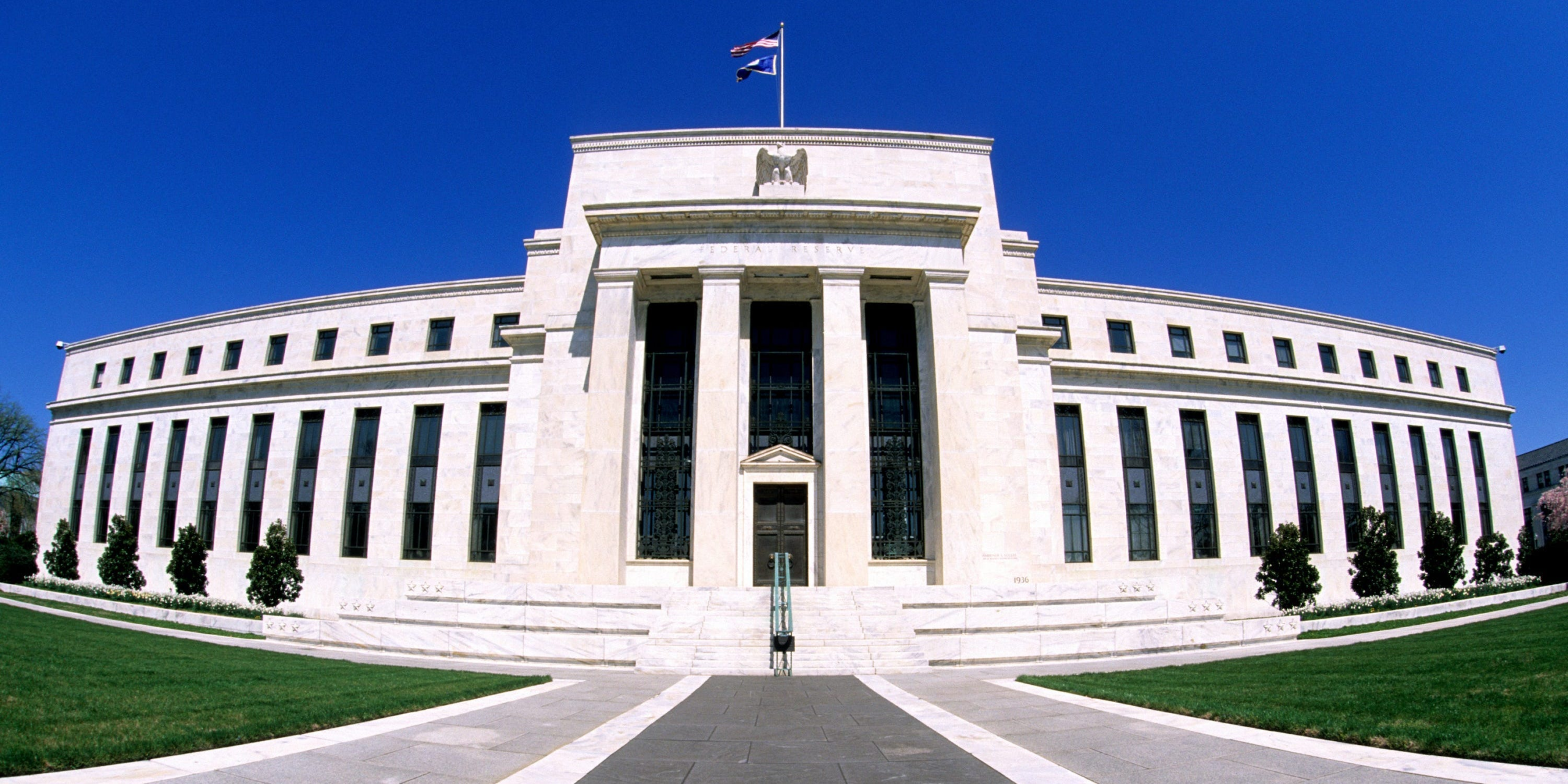

The Federal Reserve plays a crucial role in shaping the landscape of the U.S. economy through its regulatory policies and monetary strategies. Recently, Fed Chairman Jerome Powell delivered a speech that omitted specific insights on current economic conditions and upcoming monetary policy adjustments, raising eyebrows among economists and investors alike. Such noteworthy remarks are highly anticipated in economy news, as they provide clues about potential shifts in interest rates and inflation. Analysts and financial experts often turn to the Fed’s communications to understand its stance on economic recovery and stability. As discussions around central banking practices continue to evolve, the Federal Reserve remains at the forefront of these critical conversations.
Often referred to as the central bank of the United States, the Federal Reserve is pivotal in managing the nation’s financial system and influencing monetary conditions. This key institution not only focuses on maintaining price stability but also aims to foster maximum sustainable employment, reflecting the intertwined nature of its objectives. The discussions led by leaders like Jerome Powell resonate deeply in various sectors, contributing to ongoing debates surrounding fiscal strategies and economic forecasts. Events such as Powell’s recent address at Stanford University serve as platforms for unveiling insights that ripple across economy news and impact market expectations. Thus, the examination of such speeches is essential for investors and policymakers alike, as they navigate the complex terrain of economic policy.
Impact of Federal Reserve Chairman Jerome Powell’s Speeches
The speeches delivered by Federal Reserve Chairman Jerome Powell play a crucial role in shaping public perception and market sentiment surrounding U.S. monetary policy. Even when Powell does not directly address the economy in a given speech, like his recent address at Stanford University, the implications of his comments can reverberate throughout financial markets. Investors and economists analyze his every word for signals regarding interest rate changes or shifts in economic outlook. Therefore, the Federal Reserve’s position is often read between the lines of Powell’s remarks.
At venues such as Stanford University, Powell’s presentations often range from theoretical discussions to practical implications of monetary policy. While he may not directly address economic data, the overarching themes he discusses—such as inflation control, employment targets, and the stability of financial systems—are critical for understanding the Fed’s future strategies. Consequently, these speeches serve as a foundational element in the broader narrative of economic news, influencing decisions from individual investors to large financial institutions.
Jerome Powell and Contemporary Monetary Policy
Jerome Powell’s tenure as the Chair of the Federal Reserve has seen significant shifts in monetary policy, especially in response to economic challenges. In speeches where he elaborates on policy strategies, he emphasizes the Fed’s dual mandate: maximizing employment and stabilizing prices. His lack of comments on current economic conditions in certain contexts, like the recent Stanford University talk, raises questions among investors who rely on his insights to gauge the Fed’s next moves. Each speech, regardless of its explicit content, carries the weight of significant monetary considerations that affect market expectations.
Moreover, Powell’s communication style is often deliberate and nuanced, aimed at fostering transparency and predictability within the Fed’s operations. Even when specific economic data points are not addressed, the implications of Powell’s remarks regarding future policy directions remain significant. Analysts and economists comb through his speeches to extract insights that may indicate the Fed’s stance, making even non-specific discussions pivotal for shaping monetary policy perceptions and guiding market reactions.
Understanding the Federal Reserve’s Influence on the Economy
The Federal Reserve’s policies significantly influence the overall health and direction of the U.S. economy. By adjusting interest rates and regulating the money supply, the Fed’s decisions are pivotal in controlling inflation and stimulating growth. Speeches delivered by Jerome Powell provide valuable context and framework for understanding these complex policies. Even when he abstains from discussing economic specifics, as seen in his Stanford University address, the implications of the Federal Reserve’s decisions are felt across various sectors of the economy.
With the backdrop of current economic challenges, it is crucial to comprehend how the Federal Reserve’s monetary policies are designed to address issues such as employment rates and inflation. Each speech from Fed Chairman Powell adds layers to our understanding of how the central bank navigates these waters. Discussions around tools like quantitative easing or interest rate adjustments are often underscored by Powell’s commentary on the economic landscape, further reinforcing the Fed’s crucial role in steering the U.S. economy.
Analyzing the Role of Monetary Policy in Economic Recovery
Monetary policy remains a central theme in helping economies recover from downturns, and Jerome Powell’s leadership of the Federal Reserve has been instrumental in strategizing these efforts. Though he may not always offer explicit commentary on recovery metrics during his speeches, the Fed’s approach under his guidance has directly impacted economic stabilization. By utilizing various monetary tools, including low-interest rates and asset purchases, Powell aims to create an environment conducive to recovery.
In educational settings like Stanford University, Powell often articulates the theoretical underpinnings of monetary policy while indirectly responding to ongoing economic conditions. The effectiveness of these strategies is frequently assessed by economists and policymakers as essential to fostering a robust economic recovery. Thus, analyzing Powell’s speeches helps us to better understand the dynamic intersection of policy decisions and their anticipated effects on the economy.
The Significance of Public Engagement in Economic Discourse
Public engagement through platforms such as academic institutions is vital in demystifying the Federal Reserve’s operations and monetary policy. Jerome Powell’s appearances, including recent talks at Stanford University, highlight the importance of transparency in economic discussions. When the Fed Chairman speaks to audiences beyond financial circles, he fosters broader understanding of the complexities of monetary policies and their relevance to everyday lives.
Moreover, such engagements allow Powell to address questions and concerns from a diverse audience, which is crucial for building trust in the Federal Reserve. By connecting with the public, he promotes awareness and understanding of how monetary policy directly affects individual lives, from home mortgages to job opportunities. This dialogue not only enhances credibility but also encourages informed public discourse surrounding critical economic issues.
Deciphering Economic News through Federal Reserve Announcements
Economic news is often intertwined with announcements from the Federal Reserve, as changes in monetary policy drastically affect financial markets. Jerome Powell’s speeches serve as vital indicators for investors and analysts who seek to interpret the Fed’s outlook on economic growth and inflation. Even when Powell does not delve into specific economic data during speeches, such as his recent address at Stanford University, the expectation for insights into future policy directions persists.
By monitoring these communications, economists can gauge how the Fed’s position aligns with broader economic conditions, ultimately driving market reactions. The implications from these speeches can resonate throughout various sectors, influencing everything from stock prices to lending rates. Thus, understanding Powell’s rhetoric and the accompanying context is essential for deciphering the economic news that shapes investment strategies.
The Intersection of Academic Insights and Economic Policy
Jerome Powell’s speeches at academic institutions like Stanford University often bridge the gap between theoretical economics and real-world policy applications. By engaging with scholars and students, Powell disseminates critical information about the Federal Reserve and its approach to monetary policy. These conversations can inspire innovative economic thought and provide insights that inform the Fed’s strategies.
Moreover, the intersection of academic insights and practical policy serves to enrich the dialogue surrounding monetary issues. Academic settings allow Powell to explore theoretical frameworks that underpin economic realities, thereby enhancing the public’s understanding of complex monetary concepts. As the Fed navigates challenges in the economy, these discussions can lead to more informed policy-making grounded in empirical research and comprehensive analytical perspectives.
Forecasting Future Trends in Monetary Policy
The trajectory of monetary policy forecasting has been molded significantly by the insights provided by Jerome Powell through his speeches and public addresses. As economic conditions fluctuate, understanding Powell’s perspective on future trends becomes imperative for both economists and the investing public. His speeches often lay groundwork for anticipating potential shifts in interest rates or other monetary tools, even if not explicitly stated.
Given the current economic climate, analysts scrutinize Powell’s rhetoric for hints at the Federal Reserve’s future actions. For example, discussions around employment and inflation during his speeches may signal the Fed’s readiness to take action as economic indicators evolve. Thus, Powell’s ability to provide foresight into monetary policy not only aids financial institutions but also prepares policymakers and the public for potential changes ahead.
Challenges and Opportunities in Federal Reserve Communication
Communicating effectively about monetary policy presents both challenges and opportunities for Jerome Powell and the Federal Reserve. With a diverse audience that includes economists, investors, and the general public, Powell must strike a balance between technical accuracy and accessibility. Speeches at venues like Stanford University offer a platform to address these challenges, facilitating dialogues that can demystify complex monetary concepts.
The opportunity to engage with varied audiences allows the Federal Reserve to foster a culture of transparency and trust. By simplifying intricate economic terms and ensuring that critical messages resonate with a broader public, Powell aims to build a more informed citizenry. This approach also helps mitigate misunderstandings regarding the Fed’s policies and their implications for the economy, creating a more engaged and knowledgeable populace.
Frequently Asked Questions
What is the role of Jerome Powell as the Federal Reserve Chairman?
Jerome Powell, as the Federal Reserve Chairman, oversees the nation’s monetary policy, regulates banks, and aims to promote a stable economy. His leadership is crucial for shaping economic strategies based on current economy news.
How does the Federal Reserve impact the economy through monetary policy?
The Federal Reserve impacts the economy through monetary policy by adjusting interest rates and regulating the money supply to foster economic growth, control inflation, and achieve maximum employment.
What were the key points of Jerome Powell’s recent speech at Stanford University regarding the Federal Reserve’s policies?
In his recent speech at Stanford University, Jerome Powell did not provide specific comments on current economy conditions or monetary policy, reflecting a cautious approach in communications regarding the Federal Reserve’s future strategies.
How can I stay updated on Jerome Powell’s speeches about the Federal Reserve?
To stay updated on Jerome Powell’s speeches and Federal Reserve announcements, you can visit the Federal Reserve’s official website, follow economy news outlets, and subscribe to financial news services.
What recent developments in monetary policy have been discussed by the Federal Reserve under Jerome Powell?
Recent developments in monetary policy discussed by the Federal Reserve under Jerome Powell include interest rate adjustments and strategies to combat inflation, although specific insights may have been reserved in public addresses like the one at Stanford University.
Why is the Federal Reserve’s monetary policy important for everyday Americans?
The Federal Reserve’s monetary policy is essential for everyday Americans as it affects interest rates on loans and savings, influences job growth, and determines economic stability, ultimately impacting daily financial decisions.
Where can I find the latest economy news related to the Federal Reserve?
The latest economy news related to the Federal Reserve can be found through financial news websites, the Federal Reserve’s official press releases, and reputable platforms that cover economic developments and updates.
What should be expected from future Federal Reserve meetings led by Jerome Powell?
Future Federal Reserve meetings led by Jerome Powell may focus on evaluating economic conditions and potential shifts in monetary policy, including discussions on interest rates, inflation targets, and overall economic health.
| Key Point | Details |
|---|---|
| Federal Reserve Chairman’s Speech | Jerome Powell spoke at Stanford University but did not address economic issues or monetary policy. |
| Context of the Speech | Prepared speech with no comments on current economic conditions. |
| Public Expectations | The audience anticipated insights on the economy that were not provided. |
| Importance of Communication | Communication from the Federal Reserve is crucial for market and economic expectations. |
Summary
The Federal Reserve plays a critical role in shaping economic policy and ensuring stability in financial markets. In recent remarks, Chairman Jerome Powell refrained from discussing the current economic landscape or monetary policies during his speech at Stanford University. This has raised eyebrows among observers and market participants who rely on such insights for guidance. Effective communication is essential for the Federal Reserve to maintain credibility and manage public expectations about the economy.
Related: More from Market Analysis | Related Box Test | Crypto Worries Over Iranian Oil Supply: Is It Overhyped? in Crypto Market