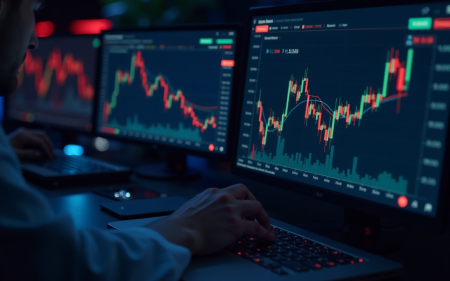




The recent announcement of the Solana Kalshi partnership marks a revolutionary step in the realm of prediction markets, showcasing the potential of tokenized prediction markets on the Solana blockchain. By fully integrating Kalshi’s prediction markets, this collaboration opens up new avenues for cryptocurrency trading, empowering users with enhanced functionalities and seamless access to on-chain liquidity. Through the innovative Concurrent Liquidity Protocol (CLP) devised by DFlow, limit orders can now be executed in real-time, significantly boosting the efficiency and responsiveness of market activities. This strategic alliance not only enhances Kalshi’s offerings but also attracts high-frequency trading enthusiasts, with the ambitious goal of tapping into the expansive $3 trillion cryptocurrency asset market. As Kalshi encourages developers to create on-chain applications through a generous grant program, the Solana Kalshi partnership is poised to reshape the future of blockchain liquidity and market engagement.
In an exciting development, the collaboration between Solana and Kalshi presents a groundbreaking opportunity within the sphere of digital prediction platforms. This synergy aims to fully tokenize prediction markets, seamlessly integrating them onto the Solana blockchain, thereby revolutionizing how users interact with market forecasts. With the introduction of advanced protocols for executing transactions on-chain, this partnership is set to enhance the liquidity and accuracy of trades, making it a significant player in the growing landscape of cryptocurrency trading. Moreover, by launching a developer grant initiative, Kalshi is inviting more innovative projects to participate, thus further expanding the possibilities for tokenized assets. Collectively, this partnership is fostering a robust ecosystem for blockchain liquidity and vibrant market participation.
Overview of the Solana Kalshi Partnership
The recent partnership between Solana and Kalshi marks a significant leap forward in the integration of traditional financial prediction markets into the evolving landscape of blockchain technology. By fully tokenizing all of Kalshi’s prediction markets and deploying them on the Solana blockchain, this collaboration not only enhances liquidity but also adds efficiency to each transaction. Through the implementation of native tokens, users can experience faster and more secure trading, which is essential in today’s fast-paced cryptocurrency market.
Moreover, this strategic alliance is poised to revolutionize how traders and developers engage with prediction markets. By leveraging Solana’s high throughput and low fees, Kalshi can take advantage of blockchain’s inherent benefits, fundamentally changing how users interact with market predictions. The adoption of this technology through tokenized prediction markets exemplifies the potential of blockchain in reshaping traditional financial services.
Tokenized Prediction Markets: A New Era for Kalshi
Tokenized prediction markets represent a groundbreaking shift in how financial forecasts are managed and traded. In collaboration with Solana, Kalshi is now at the forefront of this transition, enabling users to participate seamlessly in a decentralized environment. By converting predictions into tokenized assets, the process allows for greater transparency and accessibility, attracting a wider audience to engage in cryptocurrency trading.
The implications for both retail and institutional investors are profound. With the added functionality of limit orders and asynchronous execution provided by the Concurrent Liquidity Protocol (CLP) from DFlow, users can experience enhanced trading conditions that are typically unavailable in traditional prediction markets. This innovation not only augments user experience but also significantly improves the overall liquidity of the platform, thus catering to an expanding market of high-frequency traders.
The Role of Blockchain Liquidity in Prediction Markets
Blockchain liquidity plays a pivotal role in the success of tokenized prediction markets, as evidenced by the recent partnership between Solana and Kalshi. By bridging off-chain liquidity with on-chain transactions, the collaboration ensures that users can execute trades with confidence. This liquidity transformation is critical for facilitating instant transactions and maintaining accurate pricing across markets.
As more financial market tools embrace blockchain technology, the demand for efficient liquidity solutions will only grow. Platforms like Kalshi benefit from Solana’s fast and reliable infrastructure, particularly in enhancing market responsiveness to real-time events. This coupling of blockchain liquidity and prediction markets will likely pave the way for innovative trading strategies and new asset classes within the cryptocurrency sector.
Future Implications for the Cryptocurrency Market
The partnership between Solana and Kalshi could have sweeping implications for the cryptocurrency asset market, which is projected to reach $3 trillion. By harnessing tokenized prediction markets, the collaboration aims to attract high-frequency traders and improve overall market dynamics. With the integration of blockchain technology, traders can expect more accurate price predictions and quicker execution times, making the market more appealing to a diverse range of participants.
Additionally, the launch of a developer grant program totaling over $2 million is a strategic move to foster innovation within the ecosystem. This program encourages developers to create third-party applications that can leverage the new tokenized functionalities, thus expanding the usefulness of markets created by Kalshi on the Solana blockchain. Such initiatives ensure that the market remains adaptive and cutting-edge, promoting long-term growth and engagement.
Developer Opportunities in Tokenized Markets
With the establishment of the developer grant program, Kalshi’s partnership with Solana not only tokenizes prediction markets but also opens up a myriad of opportunities for developers. This program is a step towards encouraging innovation and enhancing the overall ecosystem through community-driven projects. Developers are now empowered to build applications that utilize the tokenized market functionalities, paving the way for creative solutions and tools that can enrich the user experience.
As blockchain becomes more integrated into financial products, developers who harness these opportunities can significantly impact the cryptocurrency trading environment. This is particularly beneficial as the market evolves to include predictive analytics and real-time data visualization tools. By focusing on usability and accessibility, this partnership encourages a new generation of fintech entrepreneurs to innovate within tokenized markets, thus contributing to the growth of the blockchain economy.
Integrating Axiom Exchange with Solana and Kalshi
The upcoming integration of Axiom Exchange into the Solana-Kalshi ecosystem represents another exciting milestone in the development of tokenized prediction markets. Axiom Exchange is set to become the next platform that capitalizes on the advances made possible by this partnership, further enhancing the liquidity and functionality within the blockchain space. The collaboration is anticipated to provide users with additional trading opportunities, as well as improved access to prediction markets.
This integration highlights the growing trend of interconnectedness among blockchain projects, where platforms work collaboratively to enhance the ecosystem. As Axiom Exchange embraces these tokenized functionalities, it will allow its users to engage with prediction markets more effectively, regardless of their trading experience. This connects back to the overarching goal of creating an extensive network of platforms that can collectively elevate the standards of cryptocurrency trading.
Enhancing Transaction Privacy in Prediction Markets
One of the critical advantages of utilizing blockchain technology within prediction markets is the bolstered transaction privacy it offers. The partnership between Solana and Kalshi incorporates advanced mechanisms designed to protect user data while ensuring that trades are executed with transparency and reliability. As financial transactions require privacy, blockchain’s decentralized nature helps in safeguarding personal information from unauthorized access.
By focusing on transaction privacy, this partnership alleviates concerns that traders might have regarding data security. As more individuals and institutions consider entering the cryptocurrency market, the assurance of privacy will make tokenized prediction markets more attractive. Solana’s robust infrastructure combined with Kalshi’s innovative approaches will reinforce user trust and facilitate greater adoption of tokenized trading.
The Future of Prediction Markets on Blockchain
As the Solana-Kalshi partnership paves the way for the future of prediction markets, we can expect substantial changes in how these markets operate. The introduction of tokenized structures is set to redefine market interactions, ensuring higher efficiency and reliability for users. This evolution highlights the importance of adapting existing market mechanics to leverage the benefits offered by blockchain technology.
In the coming years, as the cryptocurrency landscape continues to mature, the successful execution of tokenized prediction markets will serve as a blueprint for other financial instruments to follow suit. By fostering innovation, enhancing liquidity, and securing transaction privacy, projects like Solana and Kalshi will lead the charge towards an integrated financial future where traditional markets and crypto assets coexist harmoniously.
Advantages of Using Solana’s Blockchain for Prediction Markets
Utilizing the Solana blockchain for Kalshi’s tokenized prediction markets offers several advantages that stand to benefit users significantly. Solana is renowned for its high throughput and low transaction fees, which are essential attributes for any trading platform seeking to accommodate a large volume of transactions. These characteristics ensure that users can execute trades quickly, without excessive costs, elevating their trading experience to a new level.
Moreover, Solana’s robust infrastructure supports advanced features, such as limit ordering and asynchronous execution, which are crucial for high-frequency trading environments. This capability allows traders to capitalize on market movements in real time, providing a competitive edge in the rapidly changing cryptocurrency landscape. The integration of these features through Kalshi’s partnership with Solana underscores the commitment to delivering innovative solutions that meet traders’ evolving demands.
Frequently Asked Questions
nn
What is the significance of the Solana Kalshi partnership for tokenized prediction markets?
The Solana Kalshi partnership is significant as it fully tokenizes all prediction markets on the Solana blockchain. This innovative integration allows for enhanced trading experiences and improved liquidity by bridging off-chain elements with blockchain technology. With Kalshi’s markets converted into native tokens on Solana, users can engage in more efficient prediction trading with increased transactional privacy.
nn
How does the Concurrent Liquidity Protocol (CLP) benefit users of Solana and Kalshi prediction markets?
The Concurrent Liquidity Protocol (CLP) benefits users by enabling them to submit limit orders on-chain that are executed asynchronously by liquidity providers. This connection of Kalshi’s off-chain liquidity to Solana’s blockchain environment enhances user experience in tokenized prediction markets, allowing for smoother transactions and improved price accuracy in cryptocurrency trading.
nn
What opportunities does the Solana Kalshi partnership create for developers?
The Solana Kalshi partnership opens up opportunities for developers through Kalshi’s $2 million grant program, which encourages the building of emerging applications that can leverage the newly tokenized prediction markets. Developers can create innovative tools and platforms to interact with on-chain markets, enhancing the Solana ecosystem while contributing to the evolution of blockchain liquidity.
nn
How does the Solana blockchain improve the efficiency of Kalshi’s prediction markets?
The Solana blockchain improves the efficiency of Kalshi’s prediction markets by facilitating faster transactions and enhancing scalability. With markets tokenized on Solana, users benefit from quicker execution times and better overall trading experiences, crucial for high-frequency trading environments in the competitive cryptocurrency market.
nn
What impact does the Solana Kalshi partnership have on the future of cryptocurrency trading?
The Solana Kalshi partnership is poised to revolutionize the future of cryptocurrency trading by targeting a large market worth $3 trillion. By tokenizing prediction markets, it aims to attract high-frequency traders, bolster liquidity, and improve pricing accuracy, ultimately transforming how traders engage with tokenized assets in the crypto ecosystem.
nn
Summary
The Solana Kalshi partnership marks a significant advancement in the world of prediction markets by fully tokenizing Kalshi’s offerings on the Solana blockchain. This integration not only enhances liquidity and provides greater pricing accuracy but also opens up opportunities for developers through a robust grant program. By targeting the burgeoning cryptocurrency asset market, this collaboration could redefine user engagement and interaction with prediction markets in the blockchain space.
nn
Related: More from Altcoin News | XRP Drops 10%, Ripple Tokens Future Uncertain in Altcoin | XRP News: AI Finds Critical Bug in Ripple Tokens in Altcoin