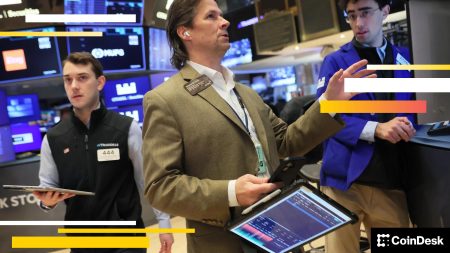
In the dynamic world of cryptocurrency, understanding the differences between crypto exchanges vs brokers is essential for traders aiming to optimize their strategies. Crypto exchanges facilitate direct trading of cryptocurrencies, often providing lower fees and greater access to a variety of digital assets. On the other hand, brokers simplify the trading process by aggregating prices from various exchanges, yet they can introduce additional costs through spreads. The choice between these two crypto trading platforms can greatly influence an active trader’s success, particularly when considering factors like liquidity, execution speed, and risk management. As we delve deeper into the nuances of this crypto broker comparison, we’ll explore how each option suits different trading styles and strategies.
Navigating the landscape of digital asset trading involves a crucial decision: should one engage with decentralized platforms or opt for brokerage services? These two models offer distinct avenues for buying and selling cryptocurrencies, each with its unique advantages and drawbacks. While trading platforms known as exchanges often provide a broader range of cryptocurrencies and more competitive fee structures, brokerage firms can simplify transactions through a user-friendly interface and potentially offer better access to fiat services. Understanding this difference is key for traders who employ active trading strategies, as the efficiency of order execution and associated trading costs can significantly impact overall profitability. In this discussion, we will assess the vital aspects that traders must consider when choosing between crypto exchanges and brokerage options.
Understanding Crypto Exchanges vs Brokers for Active Traders
Active traders often find themselves at a crossroads when choosing between crypto exchanges and brokers for their trading needs. Crypto trading platforms, such as Binance or Coinbase, allow users to engage directly with an order book, facilitating a transparent trading experience where prices are determined by market supply and demand. In contrast, brokers aggregate prices from multiple exchanges, offering a single quote that may not accurately reflect true market conditions. Understanding these fundamental differences can significantly affect trading strategies, execution speed, and ultimately, profitability.
The distinction between exchanges and brokers also influences the types of active trading strategies employed. Day traders and scalpers who rely on cutting-edge execution quality and low latency usually prefer exchanges due to the direct access to order books and the potential for tighter spreads. Conversely, those looking for simplicity and less management of complex trades might lean towards broker platforms that offer one-click trading features and simplified interfaces. This choice ultimately boils down to what best suits the trader’s style and their priority in terms of cost, ease of use, and market access.
Cost Analysis: Fees in Crypto Exchanges and Brokerages
When evaluating the cost structure associated with crypto trading, distinguishing between exchange and broker fees is crucial. Exchanges typically have transparent fee schedules based on trading volume, where high-frequency traders can benefit from tiered fee discounts. Maker and taker fees can be particularly low on major exchanges, often dropping below 0.05% for large volume trades. However, traders must also consider market spreads and slippage, which can significantly impact true cost, especially during volatile market conditions.
On the other hand, brokers often claim “zero commission” trading, but this can be misleading. The spreads are usually wider and may include the broker’s markup, resulting in higher costs over time. For instance, while the average spread on popular pairs like BTC-USD can be about 0.25% with brokers, leading exchanges can offer spreads as narrow as 0.05%. Therefore, active traders must conduct a thorough crypto broker comparison to ensure they are not falling victim to hidden costs associated with brokered trades.
Liquidity and Its Impact on Trading Success
Liquidity is a vital component that all traders, especially those employing active trading strategies, must consider when selecting between exchanges and brokers. Top-tier exchanges boast substantial liquidity, often with 24-hour trading volumes exceeding $20 billion for Bitcoin alone. This richness in liquidity allows traders to execute large orders with minimal slippage, significantly enhancing their trading performance and reducing costs. For larger market orders, slippage can be less than 0.05% during peak trading hours, which is crucial for high-frequency strategies.
Conversely, brokers may face challenges in providing the same level of liquidity due to their dependence on aggregated quotes from several sources. While they strive to manage slippage and offer competitive pricing, the effectiveness can vary greatly depending on market conditions and the specific assets traded. Trader psychology also plays a role; many fear executing trades on low-liquidity pairs due to potentially wide spreads and execution risks. Therefore, understanding the liquidity landscape is essential for traders considering their asset selection and trading venue.
Technical Features: Trades Execution and Interface Design
The technical architecture of crypto exchanges and broker platforms plays a significant role in trade execution and user experience. Exchanges like Kraken and Gemini provide traders with access to comprehensive order books, alongside advanced features such as limit and stop orders, which cater to a more professional trading approach. These platforms often allow automated strategies via APIs, enabling traders to maximize execution speed and capitalize on market inefficiencies more effectively.
In contrast, many brokers focus on user-friendly interfaces and simpler execution methods, which can appeal to novice traders or those who prefer a hands-off approach. Platforms like eToro highlight social trading features, allowing users to follow and replicate successful traders’ strategies. However, this can limit advanced orders and trading capabilities that experienced traders might rely upon. Thus, when choosing between exchanges and brokers, traders must consider their comfort with the technical aspects of trading and whether they require complex order execution or prefer a simplified approach.
Security Measures in Crypto Trading Platforms
As the crypto market develops, the significance of security in choosing between exchanges and brokers cannot be overstated. The prevalence of hacks and breaches has prompted many exchanges to enhance their security measures, including two-factor authentication, cold storage solutions, and comprehensive insurance policies against breaches. High-profile exchange hacks have increased scrutiny and competition among providers, leading to improved security protocols across the board.
Brokers present a different set of security risks, especially regarding how they manage custody. Since some brokers may hold assets off-chain, they may not provide the same level of transparency as exchanges regarding the security of funds and private keys. Traders need to investigate the regulatory compliance and security measures adopted by brokers closely, ensuring that their assets are safeguarded against potential threats. As the crypto landscape continues to evolve and mature, ensuring the safety of your assets should be a top priority.
Understanding Regulatory Compliance for Traders
The regulatory environment for crypto trading platforms has become increasingly complex, impacting both exchanges and brokers. Regulatory bodies across the globe have begun to recognize cryptocurrencies as digital assets, which has resulted in diversifying compliance requirements. For instance, many exchanges are now mandated to provide tax documentation for their trades to ensure compliance with local regulations, fostering a culture of accountability in the industry.
Brokers, however, often operate under more established financial regulations, which may offer an added layer of consumer protection regarding trading practices and tax preparation. Brokers typically have systems in place to assist clients with relevant tax reporting, making it easier for users to comply with their jurisdiction’s tax laws. Understanding these regulations is imperative for traders, as it not only affects operational methods but can also introduce additional costs depending on the selected trading platform.
Choosing the Right Trading Platform: Exchange or Broker?
Determining whether to use a crypto exchange or a brokerage platform requires a clear understanding of one’s trading style and priorities. Cost-sensitive traders focused on minimizing fees are likely to favor exchanges that offer lower trading costs and market transparency. If a trader regularly executes high-volume trades or employs sophisticated strategies, the benefits of exchange pricing models and liquidity often outweigh the conveniences offered by brokers.
Conversely, those who prioritize ease of use and integrated services may find that brokers align better with their needs. For instance, if navigating tax documentation and fiat banking services is a priority, a brokerage that handles these elements seamlessly might be more advantageous. Ultimately, the decision depends on common elements, including trading volume, strategy complexity, desired level of expertise, and the relative importance of cost compared to convenience.
Final Takeaways for Active Traders
In conclusion, the decision between using a crypto exchange versus a broker is not merely a matter of preference, but rather a calculated choice based on various factors impacting trading performance. Exchanges tend to provide superior cost-efficiency, liquidity, and execution quality for active traders, while brokers may enhance convenience with integrated services and centralized support. As the crypto landscape continues to evolve, traders must remain vigilant and regularly reassess their chosen platforms to ensure alignment with their trading strategy and goals.
In a rapidly changing environment, understanding the nuances of different trading platforms will help traders optimize their approach, enhance their strategies, and ultimately increase profitability. By weighing the advantages and disadvantages of crypto exchanges versus brokers critically, traders can make informed decisions tailored to their specific trading styles and objectives.
Frequently Asked Questions
What are the main differences between crypto exchanges and brokers for active trading?
Crypto exchanges and brokers differ primarily in their order execution methods and fee structures. Exchanges like Binance or Kraken match trades directly through an order book, which can offer lower fees and better liquidity for active traders. In contrast, brokers like eToro aggregate prices from various sources and may include markups in their spreads, making them simpler but potentially costlier for high-frequency trading.
How do crypto exchange fees compare to broker spreads?
Crypto exchange fees are typically more transparent and lower than broker spreads. Exchanges have a tiered fee structure, where high-volume traders can pay as little as 0.02% for maker fees. Brokers often advertise zero commissions, but their spreads can average around 0.25% for Bitcoin transactions, which means hidden costs may outweigh perceived savings.
Are crypto exchanges or brokers better for trading rare cryptocurrencies?
For trading rare cryptocurrencies, crypto exchanges generally offer a wider selection of trading pairs and better liquidity. While brokers may focus on major cryptocurrencies, exchanges provide thousands of listings and innovative trading products like perpetual futures and options, making them more suitable for avid traders seeking diversity.
What impact does liquidity have on trading at crypto exchanges versus brokers?
Liquidity significantly affects trading conditions, especially for large orders. Top-tier crypto exchanges often sustain multi-billion dollar trading volumes, reducing slippage to under 0.05%. Brokers may struggle with liquidity for less popular trading pairs, leading to higher slippage and wider spreads compared to robust exchanges.
What security considerations should I evaluate when choosing between crypto exchanges and brokers?
Security is critical in crypto trading. Crypto exchanges have improved security measures to protect assets, but they expose users to custodial risks. Brokers may offer simpler user experiences, but holding assets off-chain raises different risks. Ensure you assess the specific security protocols of each platform before deciding.
How does the regulatory environment affect crypto exchanges and brokers?
The regulatory landscape for crypto trading is evolving, impacting both exchanges and brokers. Exchanges are required to comply with stricter regulations, issuing tax forms and adhering to anti-money laundering laws. Brokers, holding established positions, may simplify tax reporting for users. Always review how regulations could influence your trading experience on these platforms.
Which trading platform is more suitable for executing active trading strategies, exchanges or brokers?
For executing active trading strategies, crypto exchanges are generally more suitable. They provide transparent pricing, better liquidity, and lower overall costs, enabling traders to capitalize on micro-structural advantages. Brokers may offer convenience but can introduce inefficiencies that affect profit margins for active traders.
Can I access leverage and derivatives more effectively through crypto exchanges or brokers?
Crypto exchanges frequently offer a variety of derivatives and leverage options, including perpetual futures and options. While brokers may offer leverage, exchanges often provide higher limits and cater to retail traders within regulated frameworks. Hence, if derivatives trading is a priority, exchanges are typically the preferred choice.
| Aspect | Crypto Exchanges | Crypto Brokers |
|---|---|---|
| Order Flow Model | Direct interaction with market orders; transparent price discovery and execution against the market. | Aggregates liquidity; trades against broker quotes; one-click execution. |
| Cost Structure | Public fee schedule; lower fees for high-volume trading. | May advertise zero commissions but typically includes a markup in spreads. |
| Liquidity & Slippage | High liquidity with lower slippage during peak hours. | Liquidity may be lower; spreads can expand significantly. |
| Asset Access | Wide range of trading pairs, including futures and options. | Focus on major cryptocurrencies; may offer higher leverage under certain conditions. |
| Security & Custody | Exchanges have improved security; risks associated with hacks remain. | Assets may be held off-chain, introducing different risks. |
| Regulatory Compliance | Emerging regulations; tax reporting is typically required. | Established systems for tax reporting; may offer integrated statements. |
Summary
In the ongoing debate of crypto exchanges vs brokers, it’s clear that both options provide unique advantages and disadvantages for active traders. While exchanges typically offer lower fees, higher liquidity, and a broader range of trading assets, brokers may simplify the trading process with integrated services and tax support. Ultimately, choosing between crypto exchanges and brokers depends on individual trading strategies, preferences, and needs. Regular assessments of your trading platform are essential as market conditions and regulations evolve.
Related: More from Exchange News | Irans Crypto Shadow Economy Evades Sanctions in Crypto Exchange | BSP Proposes Stablecoin Yield Rules: Will It Impact Coinbase? in Crypto Exchange