



Tech Selloff Tests Risk Appetite as UK’s Digital Tax Stands Firm; FX Traders Eye Sterling, Crypto Rebounds A sharp pullback in AI-linked megacaps and a firmer policy backdrop in the UK set the tone for global risk sentiment, leaving FX traders watching sterling and the dollar while crypto staged a tentative rebound.
Risk tone: AI jitters and housing strain
A broad tech wobble led by Nvidia underscored fragile risk appetite, with investors reassessing growth and valuation narratives. Meanwhile, fresh housing data signaled sticky affordability pressures, a reminder that shelter costs could keep core inflation slow to normalize—an input that FX markets often translate into stickier policy-rate expectations and choppy yield-driven dollar moves.
UK’s digital services tax holds course, implications for sterling
The UK’s 2% digital services tax on large technology companies is projected to raise about £1.4 billion by 2030 despite earlier U.S. pushback, according to officials. Authorities have not flagged fraud issues, but companies have passed a portion of costs onto consumers—an incremental headwind for discretionary spending and potentially a modest tailwind for services inflation. For FX, the policy backdrop reinforces the UK’s fiscal stance at the margin; sterling watchers will parse whether any pass-through keeps UK inflation stickier relative to peers, influencing Bank of England expectations.
Housing: prices edge higher, affordability bites
Home prices rose between 1.2% and 3.26% as high-end transactions climbed 5.8% while lower-end sales fell 3%. Sellers are pulling listings, keeping supply tight and price resilience intact. For macro traders, that mix supports the view that shelter disinflation could remain uneven, a scenario that tends to limit downside in long-end yields and complicate soft-landing bets.
Equities: AI premium questioned; rails and software in focus
– Nvidia fell 11% as investors weighed “AI bubble” concerns and intensifying competition from Google, even as orders for its next-gen Blackwell chips remained strong. The valuation debate spilled across the chip complex and high-beta tech, typically dampening risk appetite and nudging FX toward safe-haven pairs. – ServiceNow trades roughly 33% below its 52-week high and has underperformed the Nasdaq year-to-date. Analysts still project about 44.5% upside, highlighting a bifurcated market where profitable software laggards draw interest on weakness. – Union Pacific beat on both EPS and revenue in Q3, yet its shares lagged the Dow. Sell-side targets imply about 14.5% upside from $264, signaling selective value in cyclicals even as freight volumes and pricing remain in focus.
Energy: ConocoPhillips trails peers
ConocoPhillips has fallen 20.1% from its peak and is lagging the XOP ETF year-to-date, but analysts maintain a Strong Buy stance with an implied 29.6% upside. The divergence highlights stock-specific execution and capital-return dynamics within energy, even as crude fundamentals and OPEC+ policy remain core drivers for the sector’s beta.
Crypto: rebound steadies risk mood
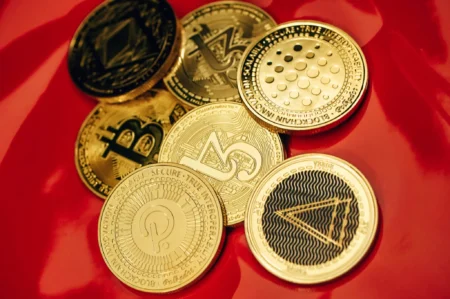
Bitcoin bounced near $91,000 and Ether added about 3.1%. XRP-focused ETFs saw solid inflows, though digital assets remained tethered to broader U.S. risk sentiment. For cross-asset traders, the crypto bid offers a modest counterweight to tech volatility but has yet to meaningfully loosen the dollar’s safe-haven grip when equities wobble.
At a glance
- UK’s 2% digital services tax projected to raise £1.4B by 2030; costs largely pushed to consumers, no fraud flagged.
- Nvidia drops 11% on AI valuation concerns and competitive pressure; orders for Blackwell chips still strong.
- ServiceNow trades 33% below its 52-week high; analysts see 44.5% upside despite YTD underperformance.
- Union Pacific posts a Q3 beat but trails the Dow; Street target implies ~14.5% upside from $264.
- Housing: prices up 1.2%–3.26%; high-end sales +5.8%, low-end −3%; listings pulled, affordability still stretched.
- ConocoPhillips ~20.1% below its high, underperforms XOP; analysts see ~29.6% upside with Strong Buy.
- Bitcoin rebounds near $91K, Ether +3.1%; XRP ETFs record firm inflows as crypto tracks U.S. risk tone.
Market context and FX take
– A tech-led de-risking typically supports the dollar and the yen as carry unwinds and volatility rises. Watch for any follow-through in rate-sensitive pairs if long-end yields edge higher on persistent shelter inflation risks. – Sterling is steady-to-cautious as traders balance the UK’s firmer fiscal stance and lingering services inflation against a fragile growth backdrop. – Energy equity dispersion continues even with stable-to-rangebound crude, a reminder that stock-specific catalysts can trump commodity beta.
This article was prepared by BPayNews for informational purposes and does not constitute investment advice.
FAQ
How could the UK’s digital services tax affect forex markets?
The tax itself is not a direct FX driver, but its pass-through to consumer prices could underpin UK services inflation marginally. If investors perceive stickier inflation, it may keep BoE expectations firmer than peers, supporting sterling at the margin—contingent on growth data.
Why did Nvidia’s drop matter beyond equities?
A sharp decline in a market bellwether tightens financial conditions via the wealth effect and volatility channels. In FX, risk-off episodes typically lift the dollar and the yen while pressuring higher-beta and carry currencies.
What does the housing data imply for rates?
Rising prices and constrained supply suggest shelter disinflation may be uneven. That can limit downside in long-end yields and dampen expectations for rapid rate cuts, a backdrop that often supports the dollar relative to low-yielding peers.
Are the analyst upside targets for UNP, ServiceNow, and ConocoPhillips meaningful for macro trades?
They signal selective value in cyclicals (UNP), quality software laggards (ServiceNow), and energy (ConocoPhillips). While stock-specific, broad follow-through could influence sector ETFs, risk sentiment, and, indirectly, FX via shifts in U.S. growth and yield expectations.
Do crypto gains weaken the dollar?
Not reliably. Recent crypto rebounds have tracked broader risk appetite. Unless the move is large and coincides with falling volatility and yields, the dollar’s safe-haven bid typically persists during equity drawdowns.
Related: More from Altcoin News | ETH, SOL, XRP Surge 10%, Recovering War Losses in Altcoin | XRP Drops 10%, Ripple Tokens Future Uncertain in Altcoin