


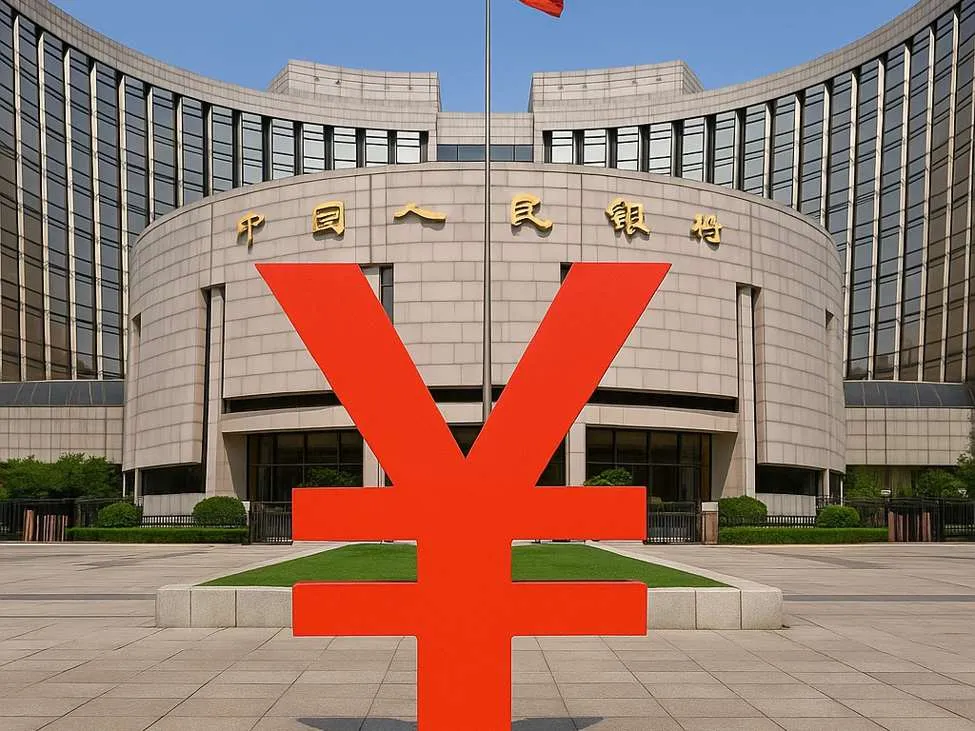

Headline: Mizuho Rebuts Claims China Is Forcing Down the Offshore Yuan
Key Takeaways
A fresh analysis challenges the narrative that Beijing is deliberately weakening the offshore yuan. The study argues the yuan is neither undervalued nor being pushed lower to gain a trade edge, and that recent policy signals from the central bank point to a preference for currency stability rather than depreciation.
According to the assessment, the People’s Bank of China’s daily reference rate has consistently leaned toward a stronger yuan, countering suggestions of engineered weakness in the offshore market (CNH). Since the initial round of U.S. tariffs in 2018, the yuan has held up better than several Asian peers, indicating relative resilience rather than manipulation. The report also contends that China’s sizable trade surplus has persisted despite a firm exchange rate, undermining the idea that a cheap currency is driving export strength.
The findings push back on renewed political accusations that China is using exchange-rate policy for unfair advantage. For global markets and cross-border payments, a steadier yuan reduces volatility risk for importers, exporters, and settlement providers, reinforcing the view that China’s FX management aims at stability over competitive devaluation.
Key Points: – Mizuho says there is no clear evidence China is deliberately weakening the offshore yuan (CNH). – The yuan is not undervalued or artificially cheapened, according to the analysis. – PBOC daily fixings have generally biased toward appreciation, signaling stability. – The yuan has outperformed several Asian currencies since U.S. tariffs began in 2018. – China’s trade surplus has continued despite a relatively firm exchange rate. – Findings counter political claims of currency manipulation and highlight FX stability.
Context
Current positioning around Market Analysis remains sensitive to primary-source updates, policy interpretation, and execution risk across major venues.
What To Watch
Key confirmation signals include sustained spot demand, funding stability, and whether price can hold reclaimed levels after headline-driven volatility.
If momentum weakens, traders will likely prioritize downside liquidity zones and risk-control positioning before adding new directional exposure.
Related: More from Market Analysis | BANK LATEST QUARTER REPORT OUT NOW in Crypto Market | Tokenized Gold Surpasses CME Futures Prices This Weekend in Crypto Market