


Why BlackRock Might Not Be Long Bitcoin, Despite ETF Inflows
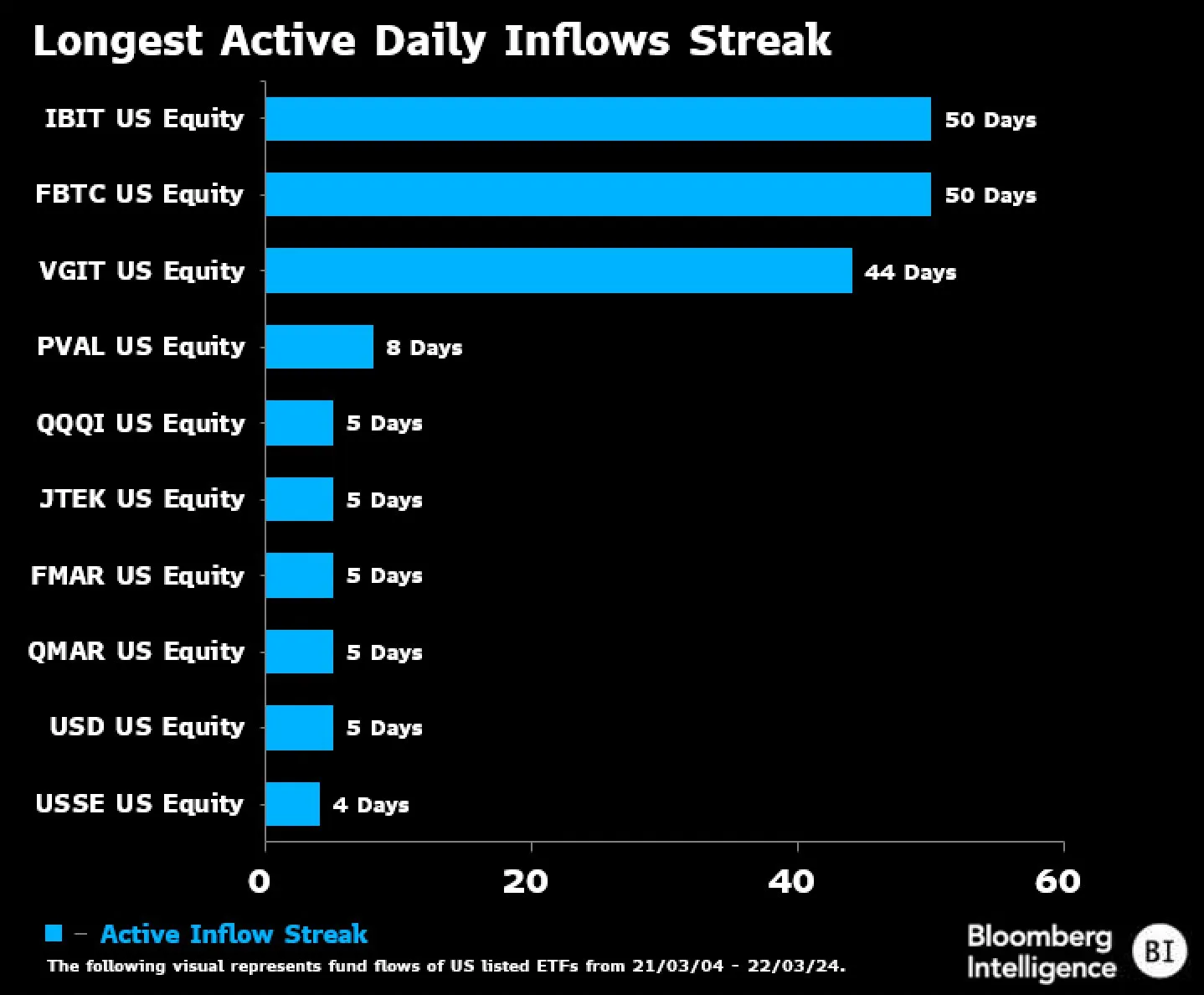
In recent times, the narrative around cryptocurrency investments has seen considerable shifts, especially concerning major institutional investors. bitcoin-etfs/" class="bpay-semantic-link" style="color:#0a7a64; font-weight:700; text-decoration:none;" target="_blank" rel="noopener">BlackRock, the world’s largest asset manager, has notoriously been the subject of speculation about its stance on cryptocurrencies such as Bitcoin. Despite observable inflows into Bitcoin-related exchange-traded funds (ETFs), which might suggest a bullish stance on Bitcoin, a closer inspection reveals that BlackRock might not necessarily be long on Bitcoin itself. Let’s explore why this might be the case.
Key Takeaways
Understanding the Nature of ETF Inflows
Firstly, it’s essential to differentiate between direct investments in Bitcoin and investments in Bitcoin-related financial instruments like ETFs. BlackRock’s involvement in ETF inflows does not directly equate to holding Bitcoin. ETFs, especially those related to Bitcoin, typically track the price of the cryptocurrency and offer investors exposure without the need to hold the actual digital coins. Investors in these ETFs, therefore, bet on the price movements of Bitcoin rather than invest in Bitcoin itself.
BlackRock has certainly shown interest in blockchain technology and cryptocurrencies as investment objects through various ETFs. However, these actions do not imply that BlackRock is directly investing in Bitcoin or that it holds a long position in the cryptocurrency.
Risk Management and Institutional Reputation
For BlackRock, managing risks associated with volatile assets like Bitcoin is crucial. The firm has a reputation and a diverse client portfolio to manage, which includes conservative stakeholders who might be skeptical about the inherent volatility and regulatory uncertainties of cryptocurrencies. Thus, even if BlackRock facilitates investment in Bitcoin through ETFs, it is likely doing so while employing a balanced and risk-aware strategy, emphasizing diversification and hedging rather than outright bullishness on Bitcoin.
Regulatory Landscape and Institutional Concerns
BlackRock’s cautious approach towards Bitcoin also reflects the broader regulatory environment. With ongoing uncertainties about how governments around the world will regulate cryptocurrencies, many institutional investors remain wary. The potential for restrictive policies or adverse regulatory developments can be a significant deterrent against holding large positions in Bitcoin directly.
Innovation without Excessive Commitment
BlackRock’s CEO, Larry Fink, has voiced interest in the innovation potential of blockchain—the underlying technology of Bitcoin. However, appreciating blockchain doesn’t necessarily translate into significant investments in Bitcoin. BlackRock can be interested in exploring the efficiencies blockchain technologies offer across various financial applications without committing to one volatile digital currency.
The Significance of Client Demand
It’s also relevant that BlackRock’s activity in the realm of Bitcoin ETFs could be primarily client-driven. Institutional investors and financial managers are increasingly required to diversify portfolios as clients ask for more exposure to digital assets and cryptocurrencies. By providing a means to invest in Bitcoin ETFs, BlackRock responds to this demand while maintaining a manageable risk level.
Conclusion
While it’s clear that BlackRock is engaging with the cryptocurrency space, this engagement should not be mistaken for an endorsement of long positions in Bitcoin. The company’s strategy appears to be one of cautious exploration and response to client interest rather than a wholesale embrace of Bitcoin as a long-term investment. Being a significant player in the global financial landscape, BlackRock’s maneuvers in the cryptocurrency domain will be watched closely. Still, it’s crucial for observers and investors alike to understand the nuances that dictate such moves in a complex and ever-evolving investment environment.
Related: More from Bitcoin News | M2 Money Supply Rises Again: Is BTC Bullish Gone? in Bitcoin | Bitcoin Futures Retreat Amid Iran Conflict Escalation