

Mixed Signals Emerge: Semiconductor Slump Meets Financial Stability
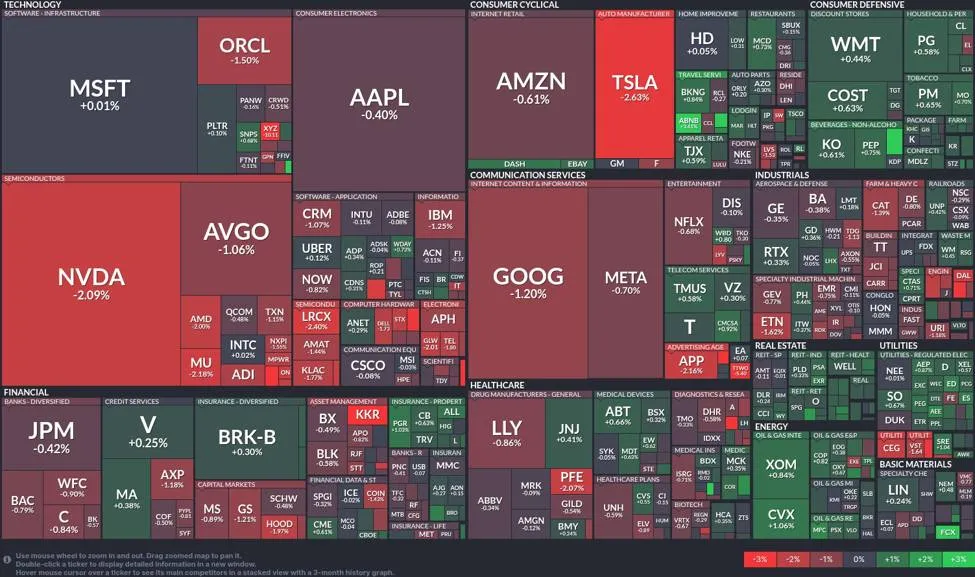
In an intriguing turn of events, the global semiconductor industry appears to be sending mixed signals to investors, policymakers, and technology analysts. While the sector is currently experiencing a noticeable production and demand slump, financial indicators and strategic moves within the industry suggest a different narrative, one that leans towards resilience and potential stability.
The Semiconductor Slump
For the past few years, semiconductors have been the lifeblood of technological innovation, powering everything from smartphones and electric vehicles to sophisticated AI algorithms and IoT devices. However, recent reports indicate a downturn in semiconductor demand. This slump can be attributed to several factors, including market saturation in certain segments, geopolitical tensions affecting trade and supply chains, and a natural cyclical downturn after the highs reached during the COVID-19 pandemic.
Indeed, with major economies like the U.S., China, and Europe instituting regulatory changes and battling over technological supremacy, the semiconductor industry has faced unprecedented challenges. Additionally, the correction phase following the pandemic-era boom, when demand for consumer electronics surged, is now leading to excess inventory and reduced orders.
Financial Stability Amid Challenges
Despite the apparent downturn in production and demand, the semiconductor industry is not on the brink of a financial meltdown. Many leading firms within the sector have been reporting robust financial health, underpinned by strong balance sheets, strategic stockpiling of critical components, and aggressive investment in research and development.
For instance, major players in the industry are diversifying their product offerings and are investing heavily in next-generation chips, which are anticipated to drive future growth in areas such as autonomous vehicles, 5G, and machine learning. Moreover, governments around the world have recognized the strategic importance of semiconductors and are offering substantial incentives and support to local manufacturers, which helps in cushioning the blow from the current downturn.
Strategic Shifts and Global Collaborations
To navigate through the current challenges, semiconductor companies are not just relying on government support or financial hedging. There is a significant shift towards forming strategic alliances and fostering global collaborations. For example, companies from different geographical regions are forming partnerships to share technologies, manufacturing facilities, and market access, which is crucial in overcoming some of the geopolitical barriers and supply chain disruptions witnessed recently.
The Road Ahead
While the semiconductor slump is a cause for concern, the overall ecosystem appears robust enough to withstand the current storm. The industry’s strategic responses and the financial acumen of its leading players are pivotal in ensuring long-term stability and growth. Looking ahead, the sector is likely to remain a critical driver of technological advancement, and its current challenges could serve as a catalyst for innovation and transformation.
In summary, while mixed signals in the semiconductor industry might suggest a precarious situation, a deeper analysis reveals a sector that is strategically positioned to not only survive the current downturn but to emerge stronger. With strategic shifts, robust financial health, and global collaborations, the semiconductor industry continues to be at the forefront of technological innovation, holding a promising future despite the temporary hurdles.
Related: More from Market Analysis | Dollar Rise Weighs on Cryptos, Gold in Crypto Market | Morning Minute: Banks Eye Crypto Custody Market in Crypto Market