

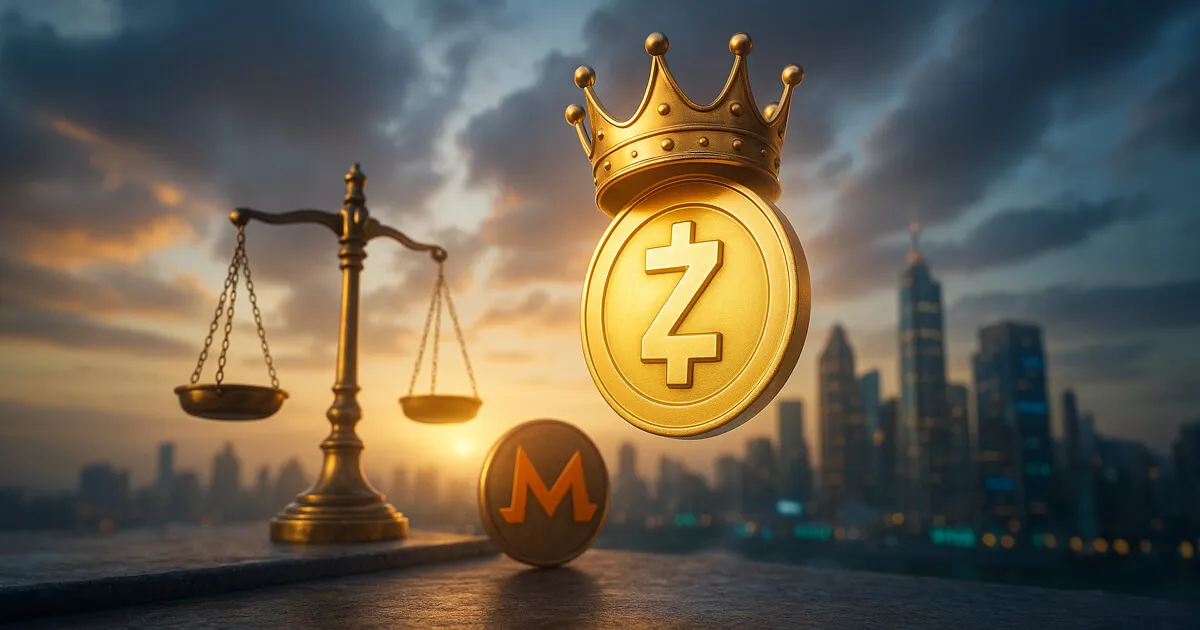

How Zcash Reclaimed the Privacy Crown from Monero
In the ever-evolving landscape of privacy-focused cryptocurrencies, two names have consistently surfaced at the forefront: Zcash and Monero. Both coins have been vying for the prestigious title of the most secure and private digital currency. Recently, Zcash has made significant strides, reclaiming the privacy crown from its main competitor, Monero. This article delves into the technological enhancements and strategic decisions that led to this pivotal shift.
Key Takeaways
Background on Zcash and Monero
Zcash and Monero, both launched in the mid-2010s, were designed with the primary goal of preserving the anonymity of their users. Monero uses ring signatures and stealth addresses to obfuscate transaction details, making it difficult to trace transactions. Zcash, on the other hand, employs zk-SNARKs (Zero-Knowledge Succinct Non-Interactive Arguments of Knowledge), which allow transactions to be verified without revealing any sensitive information about the amounts or parties involved.
Technological Advancements in Zcash
The turning point for Zcash came with the introduction of its Halo 2.0 upgrade. This upgrade was a significant development in zero-knowledge proof technology. Halo 2.0 eliminated the need for a trusted setup in verifying transactions, which was a critique point in earlier versions of Zcash’s technology. The removal of the trusted setup not only enhanced the security features but also bolstered the decentralization aspect of the currency.
Moreover, Zcash implemented updates that significantly reduced the time and memory required to create transactions. These improvements made Zcash more user-friendly and accessible to a broader audience, addressing one of the persistent challenges in the usability of privacy-focused cryptocurrencies.
Strategic Alliances and Adoption
While technology plays a crucial role, the adoption and perception of cryptocurrencies are equally influenced by strategic partnerships and community engagement. Zcash has been proactive in forming alliances with major fintech companies and has been integrated into top cryptocurrency exchanges, boosting its visibility and accessibility.
Additionally, Zcash has fostered a robust community of developers and users who continuously advocate for and contribute to the coin’s development. This vibrant community support has been instrumental in pushing the adoption rate, further cementing Zcash’s position in the market.
Regulatory Compliance
One of the hurdles for privacy coins is the aspect of regulatory compliance. Governments and financial institutions globally have been wary of the anonymity provided by such cryptocurrencies, associating them with illicit activities. Zcash addressed these concerns head-on by initiating open dialogues with regulators and explaining the legitimate uses of privacy in financial transactions. By navigating the regulatory landscape smartly and ensuring compliance, Zcash has made strides in gaining wider acceptance among conservative financial entities.
The Impact Seen on Monero
As Zcash continues to reclaim the privacy crown, Monero has faced its challenges, including increased scrutiny from regulators and the delisting from multiple cryptocurrency exchanges due to its privacy features. While Monero remains a strong contender in the privacy space, the recent advancements and strategic moves by Zcash have certainly set a new benchmark.
Conclusion
The battle for the top privacy-centric cryptocurrency is far from over. Both Zcash and Monero have their strengths and continue to evolve. For now, Zcash’s recent updates and strategic decisions have allowed it to reclaim the privacy crown, yet the dynamic nature of the cryptocurrency world suggests that this might not be the final word. What remains clear is that the demand for privacy in digital transactions is here to stay, and the technologies that can balance secrecy with efficiency and compliance will likely lead the race.
Related: More from Exchange News | Ether Exchanges Hit Six in Crypto Exchange | Bybit Stops $300M Scams with AI in Q4 2025 in Crypto Exchange