


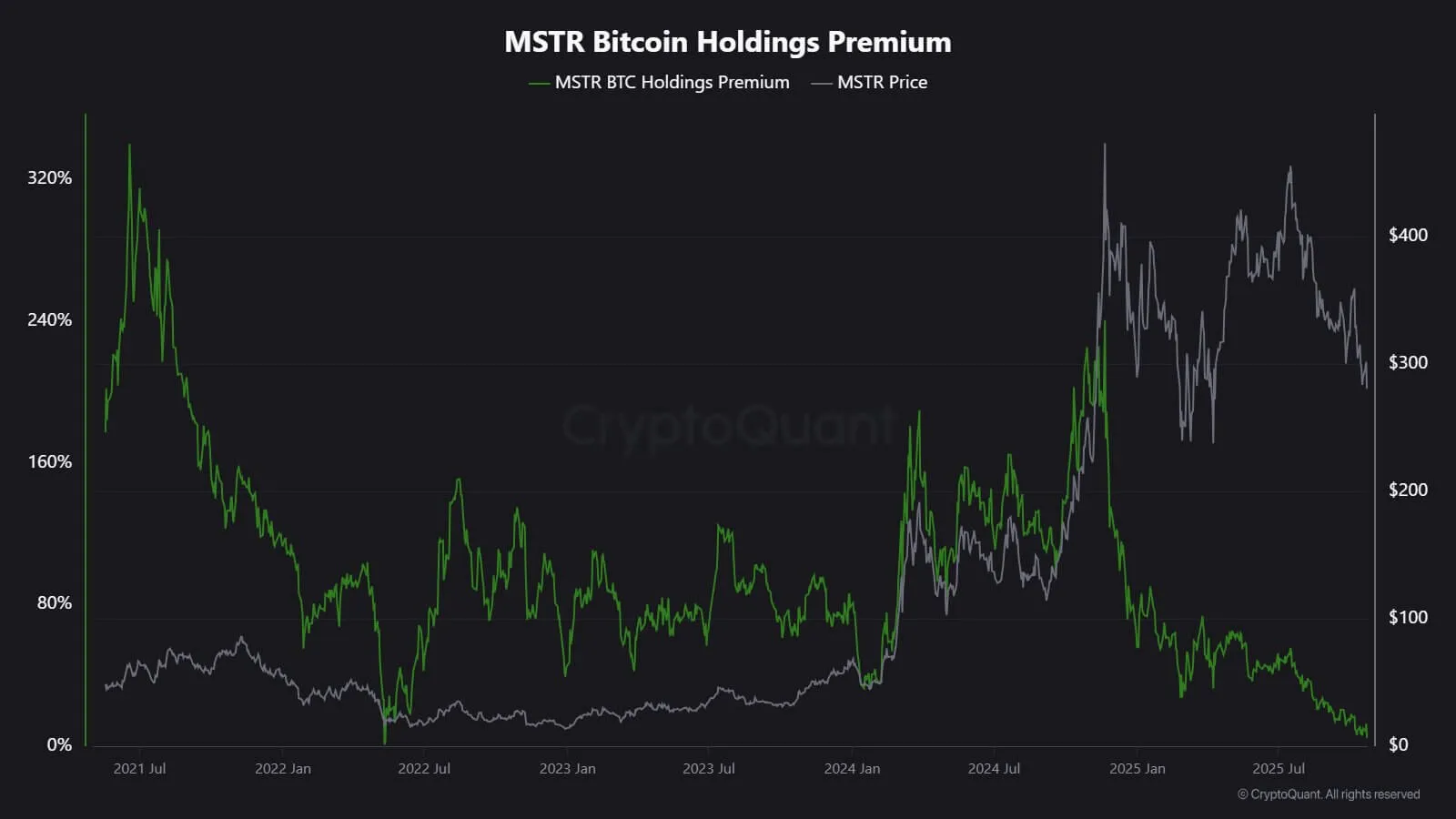

Why Did Bitcoin's Largest Buyers Suddenly Stop Accumulating?
In the ever-evolving landscape of cryptocurrency, Bitcoin has long stood as the flagship digital currency, attracting interest from retail investors, institutional investors, and large corporate entities alike. However, recent data suggests a significant shift in the market dynamics: some of Bitcoin’s largest buyers, often referred to as ‘whales,’ have abruptly paused their accumulation activities. This sudden change has sparked discussions and speculation within the financial and cryptographic communities. Understanding the reasons behind this shift requires a multi-faceted exploration of economic conditions, regulatory developments, market sentiment, and strategic financial planning.
Key Takeaways
1. Changing Economic Conditions
One of the predominant factors influencing Bitcoin’s largest buyers’ decision to stop accumulating could be the changing economic conditions globally. With rising interest rates in many countries, particularly in the United States, traditional low-risk investments like bonds have become more attractive compared to high-risk assets like cryptocurrencies. This shift could lead large-scale investors to rebalance their portfolios towards more stable and less volatile investments, to hedge against potential economic downturns.
2. Increased Regulatory Scrutiny
Another critical factor that might contribute to this trend is the increased regulatory scrutiny on cryptocurrencies. Countries like China have outright banned cryptocurrency transactions, while others like the United States are considering stringent regulations to curb the risks associated with crypto investments. Such regulatory moves create an environment of uncertainty and legal risks, compelling institutional investors and corporate buyers to adopt a cautious approach, pausing further accumulation until clearer policies are formulated.
3. Market Saturation and Valuation Concerns
As Bitcoin matures, some whales may perceive that the market is becoming saturated, or that the valuation has reached a peak with limited upside potential in the near term. This belief might dissuade further acquisition of Bitcoin at current prices, especially if the asset is viewed as overvalued. These buyers might be waiting for a significant market correction before resuming their buying activities.
4. Diversification Strategies
Diversification is a fundamental principle in investment, designed to manage risk by spreading investments across various assets. Large-scale Bitcoin investors might be pausing their Bitcoin acquisition as part of a broader strategy to diversify their portfolios. Amidst the high volatility in the crypto markets, these investors could be looking to invest in other emerging technologies or financial instruments, balancing their risk and potentially maximising returns.
5. Profit-Taking
After periods of significant price increases, it’s common for investors to ‘cash out’ some of their holdings to realize profits. Bitcoin has experienced substantial gains since its inception, and particularly during the bull runs of recent years. For some of the largest buyers, the decision to stop accumulating could simply be a strategic move to liquidate part of their holdings to secure gains amidst fears of possible downturns.
6. Expansion of Crypto Alternatives
Finally, the emergence and growth of alternative cryptocurrencies (altcoins) and decentralized finance (DeFi) projects might be attracting attention away from Bitcoin. With various altcoins offering different technologies, benefits, and potential for growth, even large buyers might find diversifying within the crypto space itself an attractive strategy.
Conclusion
The stoppage in accumulation by some of Bitcoin’s largest buyers could be attributed to various interconnected reasons, including economic shifts, regulatory concerns, market dynamics, diversification strategies, profit-taking motives, and the growth of alternative cryptocurrencies. While this could signal a significant shift in the crypto landscape, it also underscores the importance of adaptability and sound risk management strategies in navigating the highly volatile cryptocurrency market. As circumstances evolve, it will be essential to monitor how these large-scale investors adjust their strategies in response to global economic and regulatory changes.
Related: More from Bitcoin News | BTC Surges Above $71K Amidst Middle East Tensions in Bitcoin | Bitcoin ETF Inflows Fail to Boost Price: Analyst Explains Why