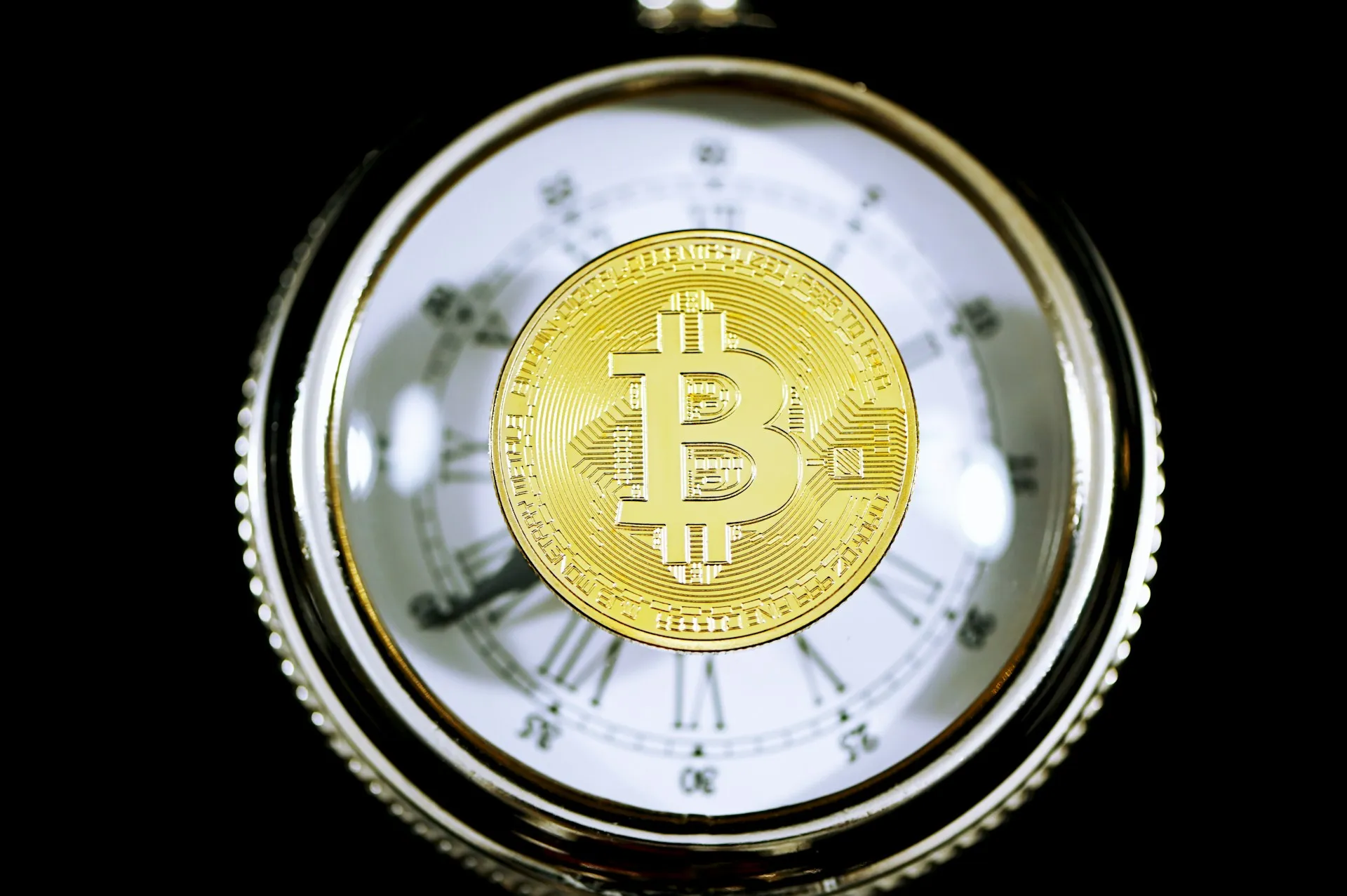

Bitcoin is heralding the beginning of a new monetary era, transforming the way people think about and use currency. This digital currency operates independently of traditional banking systems, offering an alternative to conventional financial transactions. Its decentralized nature allows users to engage in peer-to-peer exchanges without intermediaries, which can lead to lower transaction fees and faster processing times. As Bitcoin gains traction, it challenges established monetary policies and raises questions about the future of global finance. Advocates argue that it empowers individuals by providing greater control over their finances, while critics express concerns about its volatility and potential for misuse.
Related: More from Bitcoin News | BTC Surges Above $71K Amidst Middle East Tensions in Bitcoin | Bitcoin ETF Inflows Fail to Boost Price: Analyst Explains Why