
OpenSea, Leading NFT Platform, Announces SEA Token Details and Launch Date
Key Takeaways
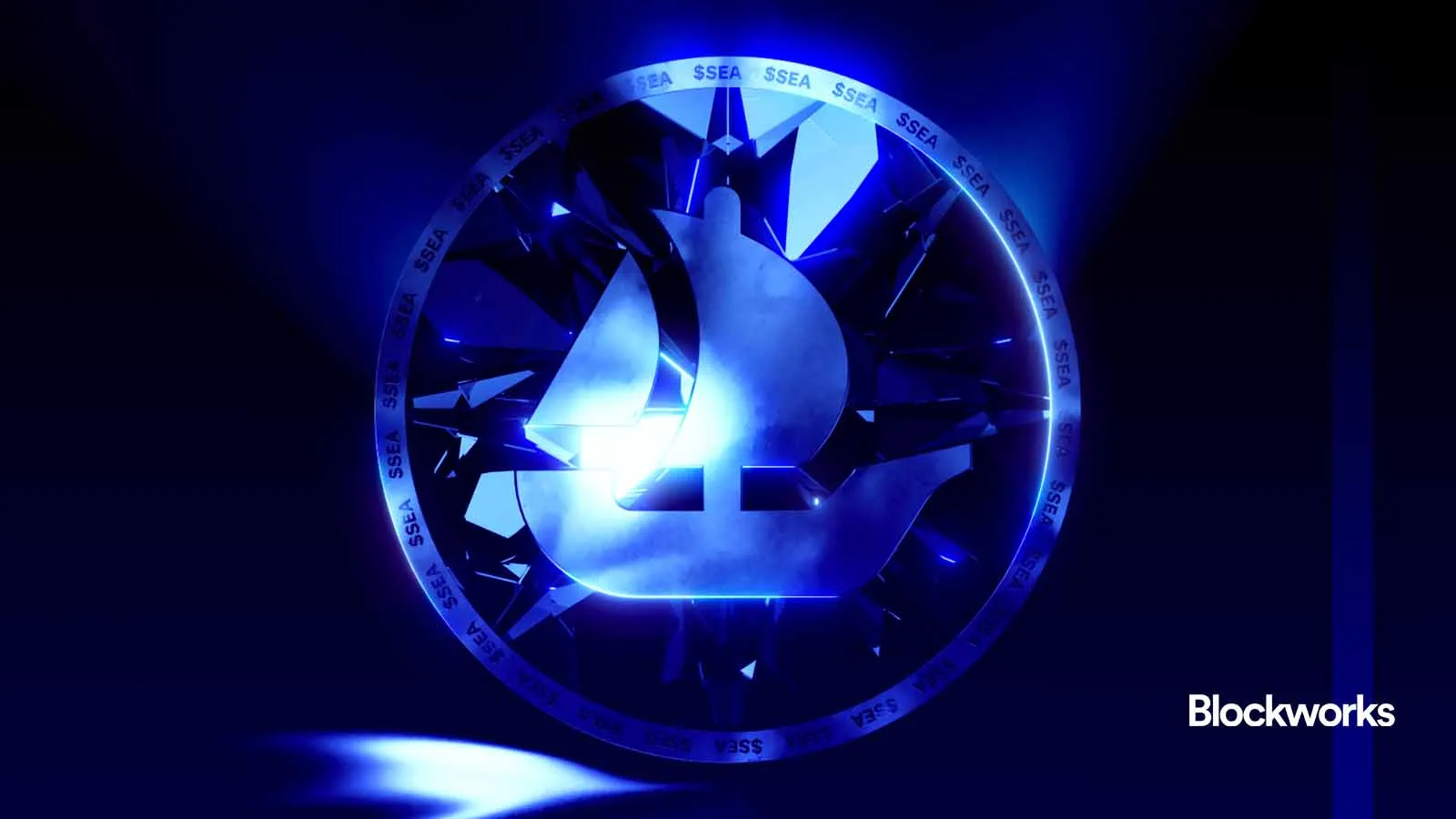
In a significant development that has caused ripples across the cryptocurrency and NFT communities, OpenSea, the world’s largest NFT (Non-Fungible Token) marketplace, has officially announced the details of its much-anticipated native token, SEA, along with its launch date. This move marks a pivotal step in the platform’s evolution, aiming to further decentralize its operational model and enhance user engagement through token-based incentives.
Tokenomics and Distribution Model
The SEA token has been designed to function as a utility and governance token within the OpenSea ecosystem. One billion tokens will be issued, with a strategic distribution model that promotes long-term holding and active participation. According to the announcement, 25% of the tokens will be allocated to the platform’s community members, which include artists, collectors, and active users. This community-first approach aims to reward existing users and attract new users to the platform.
Another 25% of the tokens will be reserved for the future development and sustainability of the platform. The team highlighted that these tokens would be gradually released to fund ongoing technical advancements, security enhancements, and market expansion. The remaining 50% will go towards the OpenSea team, advisors, and early investors, which will be subject to a multi-year vesting schedule to align team incentives with those of the broader platform users.
Utility of the SEA Token
The SEA token is designed to empower its holders by affording them various rights and benefits, including governance, where token holders can vote on key platform decisions such as fee structures, feature prioritization, and community initiatives. In addition to governance, SEA holders will enjoy discounted transaction fees on the platform, access to exclusive NFT drops, and participation in special community events.
To enhance platform liquidity and financial inclusivity, OpenSea also plans to introduce staking mechanisms where users can earn rewards by locking their SEA tokens for a period of time. This feature is aimed at reducing the circulating supply temporarily, potentially increasing the token’s value and stability.
Launch Date and Initial Exchange Offering
The launch of the SEA Token is scheduled for July 10th, 2023. In preparation for the release, OpenSea has partnered with some of the largest cryptocurrency exchanges for its Initial Exchange Offering (IEO). The token will be available on exchanges such as Coinbase, Binance, and Kraken, ensuring a broad reach and easy access for potential buyers.
To kickoff the launch, OpenSea has planned a series of virtual and in-person events aimed at educating potential users about the benefits and uses of the SEA token. These events will also serve as a platform for current users to discuss the future trajectory of the marketplace with the tokens integrated.
Impact on the NFT Marketplace
The introduction of the SEA token by OpenSea is expected to have a transformative impact on the NFT market. By decentralizing governance and offering token-based incentives, OpenSea aims to enhance user engagement and democratize the operational aspects of the marketplace. This could potentially lead to increased platform innovation and competition, benefiting the wider blockchain and creative communities.
Furthermore, the token launch is anticipated to attract a broader audience to the NFT space, including those who are yet to engage with digital collectibles. With enhanced user benefits and governance participation, the SEA token positions OpenSea at the forefront of the next wave of NFT marketplace evolution.
In conclusion, the upcoming launch of the SEA token by OpenSea represents a milestone moment not just for the platform but also for the larger NFT landscape. It reflects a maturing market where users are rewarded for their loyalty and participation, setting a precedent for future projects within the crypto and NFT sectors. As the market continues to evolve, the full impact of these developments will become clearer, potentially paving the way for a new era of digital asset management and engagement.