


Payment Processor Zelle Taps Stablecoins for Cross-Border Payments

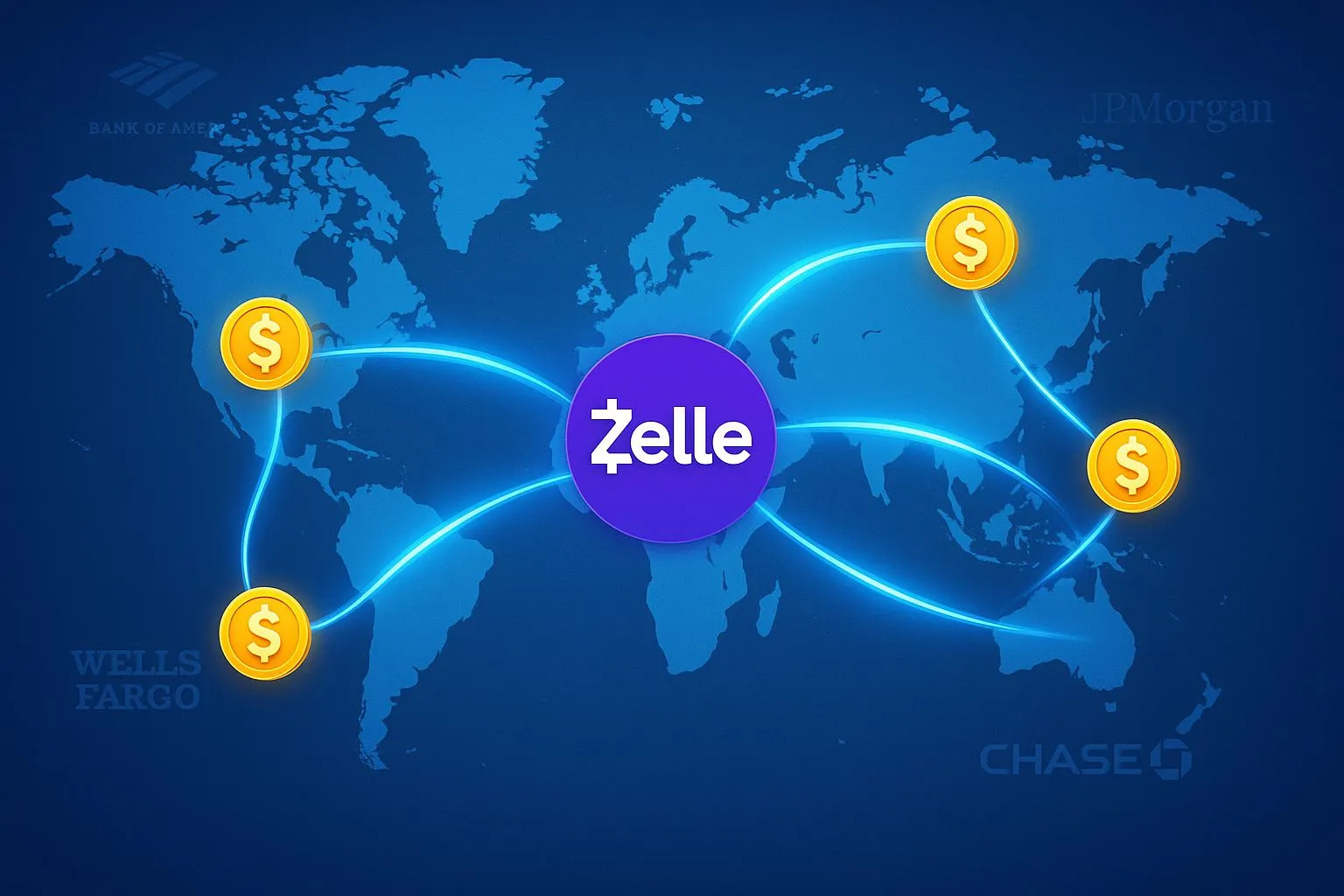
In an innovative move designed to enhance its service offerings, Zelle, a widely-used digital payment network, has recently announced its decision to integrate stablecoins to facilitate cross-border transactions. This development, poised to revolutionize the manner by which users conduct international payments, was revealed during a recent fintech conference and garnered the attention of both financial and technology sectors.
Rationale Behind the Move
Zelle, traditionally known for enabling instantaneous bank-to-bank transfers within the United States, is embarking on this venture to address several inherent challenges associated with international payments, including high fees, slow processing times, and exchange rate discrepancies. By integrating stablecoins, which are cryptocurrencies pegged to stable assets like the US dollar, Zelle aims to leverage the benefits of blockchain technology while maintaining the stability of conventional fiat currencies.
Strategic Benefits of Stablecoins
Stablecoins combine the best of both worlds: the quick processing and security features of cryptocurrencies and the reduced volatility of traditional currencies. This makes them an ideal medium for transactions that require speed, reliability, and minimal value fluctuation. For Zelle, tapping into stablecoins means transactions can be settled in real-time, without the complexities of currency conversion fees and delays in traditional banking channels.
Implementation Strategy
Zelle plans to initially roll out this service to a select number of countries, focusing on those with significant remittance flows to and from the United States. The system will allow users to send money cross-border in the form of a stablecoin, which can then be converted to local currency by recipients. This process promises to streamline money transfers, making them almost instantaneous.
Reaction from the Financial Community
The announcement has been met with mixed reactions. Optimists in the fintech industry view this as a progressive step that reflects how digital payment platforms are evolving, potentially setting a precedent for other companies. Skeptics, however, have voiced concerns regarding regulatory challenges that might arise with the use of cryptocurrencies in mainstream financial services, as well as the adoption barriers among users not familiar with digital currencies.
Regulatory and Security Considerations
Zelle has assured that it is taking stringent measures to comply with all applicable regulatory requirements. Their strategy includes forming partnerships with established crypto exchanges and wallets to ensure seamless and secure conversion of stablecoins into local currencies. Moreover, Zelle emphasizes that the integration of blockchain technology will enhance transaction transparency and reduce fraud risks—a persistent issue in digital payments.
Future Implications
Zelle’s integration of stablecoins is indicative of a broader trend where traditional payment networks are beginning to recognize the potential of blockchain technology in enhancing financial transaction efficiencies worldwide. If successful, Zelle’s model could encourage more widespread adoption of cryptocurrencies and blockchain across the financial industry, potentially influencing how regulatory frameworks are structured globally.
Conclusion
Zelle’s initiative to incorporate stablecoins into their payment processing system for cross-border transactions signals a significant shift in the digital payment arena. As the project unfolds, it will be crucial to monitor its impact on consumer adoption and regulatory adjustments. Nonetheless, Zelle’s move could very well pave the way for a new era of international payments, characterized by greater efficiency, security, and inclusivity in global finance.