

Headline: Yen Outlook Splits Investors as Policy Easing Bets Weigh on Currency

Key Takeaways
Global currency markets are wrestling with conflicting signals on the Japanese yen. While longer-term optimism is building, near-term pressures continue to push the yen lower, keeping traders and asset managers divided on the path ahead.
A recent fund manager survey from Bank of America points to a brighter medium-term outlook for the yen. Thirty percent of respondents expect the Japanese currency to outperform in 2026, topping gold as the most favored asset. The bullish view rests on expectations that Japan’s policy settings will gradually normalize, narrowing yield gaps and providing a stronger foundation for the yen over time.
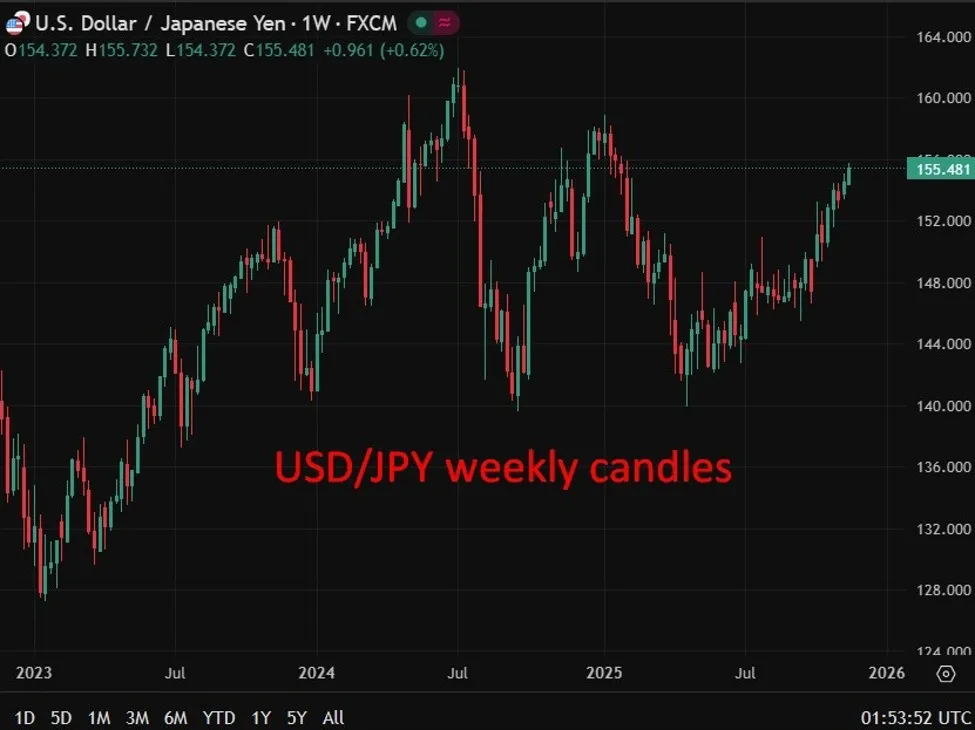
For now, however, short-term dynamics dominate. The yen has slipped to a nine-and-a-half-month low against the dollar as markets price in looser fiscal and monetary conditions under new Prime Minister Sanae Takaichi. MUFG strategist Lee Hardman notes that a third-quarter economic contraction has reinforced expectations of further easing, adding to selling pressure in USD/JPY and broader FX markets.
Fiscal concerns are also rising. Finance Minister Satsuki Katayama has hinted the government’s stimulus package could be larger than previously signaled, stoking worries about public finances. Her discomfort with the yen’s weakness has sparked chatter about potential foreign-exchange intervention, but analysts caution that verbal guidance alone is unlikely to reverse the currency’s slide. Investors are left balancing two narratives: a potential cyclical recovery and stronger yen in the medium term versus continued depreciation as Japan’s policy pivot and softer growth backdrop play out in the weeks ahead.
Key Points: – Bank of America survey shows 30% of fund managers expect the yen to outperform in 2026, ahead of gold. – Near term, the yen has fallen to a nine-and-a-half-month low versus the dollar. – Markets are pricing in looser fiscal and monetary policy under Prime Minister Sanae Takaichi. – A Q3 economic contraction has strengthened expectations for further policy easing. – Finance Minister Satsuki Katayama signaled a larger fiscal package, heightening debt and FX concerns. – Intervention talk is rising, but verbal pushback is seen as insufficient to halt yen weakness.