


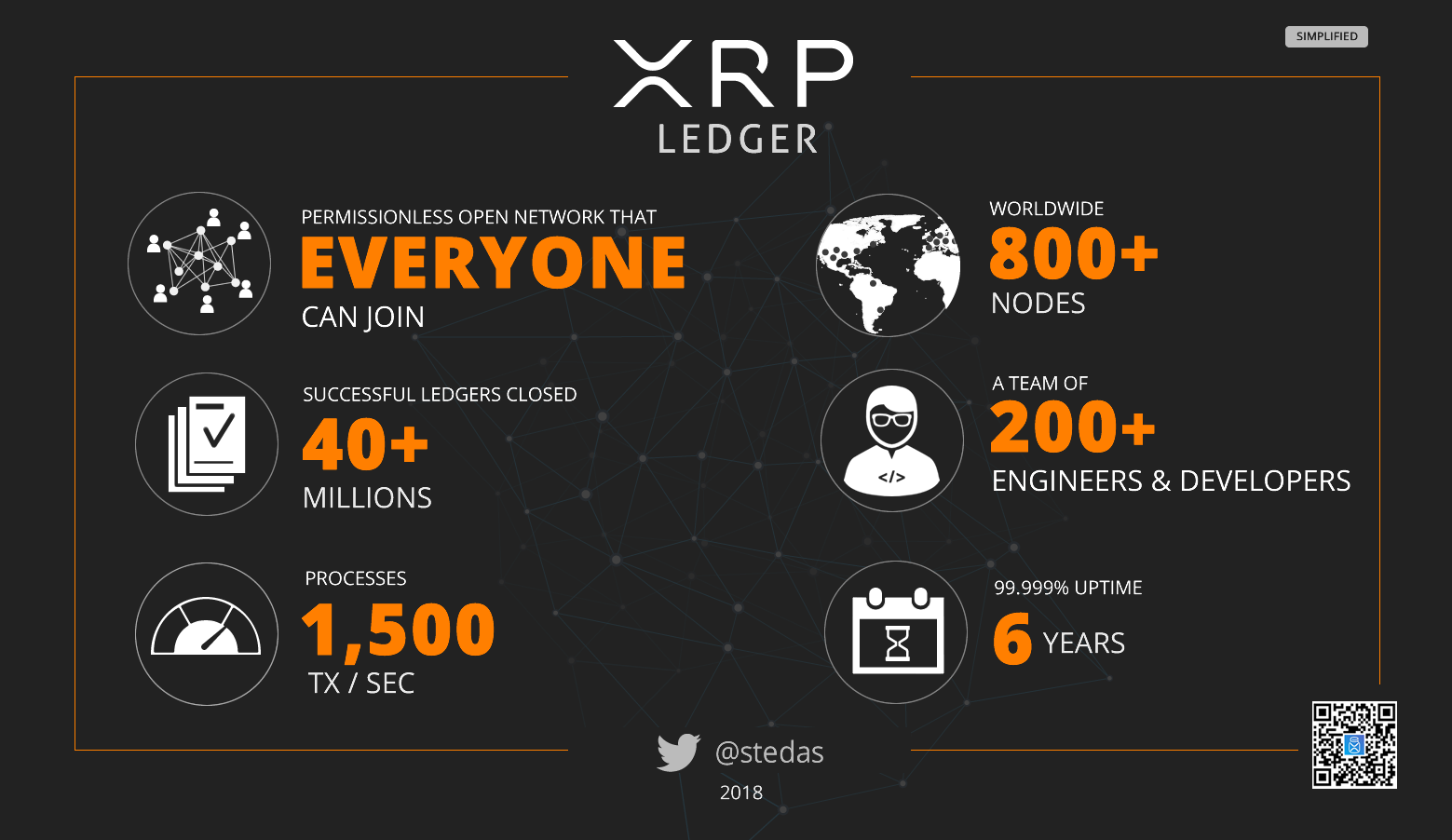

The XRP Ledger (XRPL) is poised at a critical juncture as it embarks on its journey through 2026, reflecting dynamic shifts in the cryptocurrency landscape. With Ripple’s presence flourishing on Wall Street and across Europe, the XRPL faces the dual challenge of dwindling user engagement and rising institutional interest. This emerging divide is reshaping expectations around XRP, where critical analyses of XRP supply and demand reveal contrasting trajectories in the market. As institutional trading gains momentum, an examination of XRP utility versus speculation becomes increasingly important for investors. Thus, understanding the Ripple market dynamics is essential, as it directly informs projections for XRP’s future amidst this turbulent backdrop.

The XRPL, a blockchain network underpinning the cryptocurrency XRP, finds itself at a pivotal moment, reflecting broader trends within the financial ecosystem. Ripple’s expanding influence in global markets and Wall Street underscores the significance of institutional investments, which poised XRP for potential growth. However, the decreasing activity on the XRPL raises vital questions regarding its functionality and long-term sustainability. Analysis of market sentiments underscores a critical examination of the balance between XRP utility and speculative trading practices, which are increasingly prevalent in discussions of the cryptocurrency’s future. This complexity is essential for comprehending the delicate interplay of XRP supply and demand as we navigate through 2026.
The Divergence in the XRP Market Dynamics
In 2026, the XRP market is witnessing a profound split that may define its trajectory for years to come. On one side, we have the institutional ‘wrapper’ trading, where large financial entities capitalize on the scarcity of XRP. The tightening supply on exchanges has been crucial for maintaining upward price momentum, and the arrival of spot ETFs indicates a strong institutional interest in XRP. However, this aspect of the market contrasts sharply with a declining user base on the XRP Ledger. The core economy of XRP is showing troubling signs, with decreasing on-chain activity that detaches the market from the actual utility of the ledger. As a result, potential investors must navigate a complex landscape where the supply and demand dynamics of XRP do not necessarily align with its actual use case within the network.
With the rise of institutional trading, XRP has become increasingly viewed as a speculative asset rather than a utility-driven cryptocurrency. This perception is further exacerbated by the diminishing numbers of transactions on the XRP Ledger, indicating that while institutional players may be driving the price, the foundational economic activity within the XRPL is deteriorating. This phenomenon raises critical questions about the asset’s long-term value. If institutions are primarily engaging with XRP through derivatives and ETFs, the demand for actual utility on the ledger will need to significantly improve to sustain a healthy price without entirely relying on speculative mechanisms.
The Institutional Adoption of XRP and Its Implications
The adoption of XRP by institutional investors marks a pivotal shift in how cryptocurrencies are perceived and utilized in traditional finance. The growing presence of entities engaging with XRP through spot ETFs reflects an increasing acceptance of digital assets in mainstream financial infrastructure. Such developments signal a potential maturation of the cryptocurrency market, where structured financial products pave the way for broader participation. Yet, while institutions benefit from the evolving market dynamics, the underlying utility of the XRP Ledger must not be overlooked, as it represents the foundation from which its value derives.
However, institutional trading comes with caveats. As large players like Ripple expand their operations in financial hubs such as the UK, the challenge remains for XRP to revitalize its core ledger. The ecosystem’s current reliance on institutional interest could lead to vulnerability if on-chain metrics continue to decline. The success of XRP’s institutional angle will heavily depend on how well the asset can ultimately bridge its market activities with genuine usage on the XRP Ledger, transitioning from speculative trading back to a robust utility-driven economy.
XRP Utility vs. Speculation: The Growing Divide
The debate surrounding XRP’s utility versus its speculative value intensifies as 2026 unfolds. The increasing reliance on price speculation through derivatives and ETFs suggests a fading connection to the real-world applications that XRP was initially touted for—namely, improving cross-border transactions and liquidity. The market’s current dynamics are reflecting a high stakes game where trading volumes in derivatives vastly overshadow the genuine utility on the XRPL. This divide presents a fundamental risk: if XRP is perceived merely as a speculative tool for institutional capture, the long-term sustainability of its valuation could be compromised.
Moreover, the stark contrast between XRP’s trading activities and its utility on the XRPL poses significant concerns for future investors. A healthy cryptocurrency ecosystem thrives on both robust speculation and genuine utility. As Ripple continues to innovate and enhance its institutional framework, it must simultaneously address the diminishing activity on its ledger to ensure that users do not drift toward more vibrant competitors within the crypto space. The path forward hinges on whether XRP can rekindle its utility and attract more on-chain engagements in a market saturated with speculative trading.
XRP Supply and Demand: The Underlying Tensions
The dynamics of supply and demand play a critical role in shaping XRP’s market outlook as we progress through 2026. As institutional trading volumes witness a notable surge, the underlying supply constraints are becoming more pronounced, creating a scenario where the demand for XRP continues to rise amidst a dwindling supply on exchanges. This disparity has prompted heightened interest from investors who are betting on a potential supply shock, which many see as a bullish indicator for price movement. However, while supply conditions seem favorable, they may also mask deeper issues concerning real demand for the asset.
On the one hand, a tight supply may support bullish sentiments, yet the corresponding fall in transaction volume on the XRP Ledger points toward weak demand for actual utilization. With Total Value Locked (TVL) remaining significantly lower than alternative platforms, the long-term viability of XRP hinges on bridging this gap. If XRP cannot translate speculative trading interest into tangible engagement on its ledger, the sustainability of its price increase will be called into question. Investors must be wary of the complexities surrounding supply-demand equations, which could lead to a volatile market as the year unfolds.
The Future Landscape of XRP Trading
As the year 2026 progresses, the landscape of XRP trading is becoming increasingly complex due to the apparent disconnect between institutional investments and on-chain activities. With significant inflows into spot ETFs dominating headlines, the traditional metrics of cryptocurrency success seem to be taking a backseat. This shift raises important questions about the future mechanisms that will define XRP trading. Will institutions continue to dominate the scene, or will there be a resurgence of interest in the intrinsic utility of the XRP Ledger?
The future of XRP trading will likely be shaped by the network’s ability to adapt to these evolving market dynamics. If the XRP Ledger can successfully leverage its existing advantages—such as regulatory clarity and a growing institutional footprint—it might reclaim some of its lost utility, allowing for a healthy equilibrium between speculative appreciation and actual use. Otherwise, XRP risks becoming ensnared in a speculative cycle that, while potentially profitable in the short term, ultimately undermines the foundational principles of a sustainable cryptocurrency.
Institutional Trading: Opportunities and Challenges for XRP
The surge of institutional trading presents both opportunities and challenges for XRP as it navigates the complexities of 2026. On one hand, institutional interest signals confidence in XRP as a viable digital asset, attracting significant inflows that may provide liquidity and upward pricing pressure. Ripple’s strategic moves, particularly in the UK, illustrate a commitment to integrate into traditional financial infrastructures, enhancing the legitimacy of XRP in institutional circles. However, the challenge lies in ensuring that this institutional focus translates into organic growth for the XRP Ledger.
The challenge is particularly pressing as XRP becomes more entrenched in speculative trading dynamics. The risk of divergence between institutional trading and on-chain utility could weaken XRP’s foundation, leading to increased volatility and market sensitivity. For XRP to truly flourish, it must harness its institutional adoption to bolster usage on the XRP Ledger. A successful blending of institutional frameworks with active participation from general users will be crucial in establishing a sustainable market path forward, presenting the possibility of a balanced ecosystem.
Analyzing XRP’s Trajectory: The Mixed Signals
Analyzing XRP’s trajectory in 2026 reveals a landscape rife with mixed signals. While certain indicators suggest a favorable environment for institutional traders, the declines in on-chain activity raise alarm bells for those tracking the health of the underlying ecosystem. The impressive growth in volumes attributed to spot ETFs contrasts with declining user engagement on the XRP Ledger, prompting critical evaluation of whether XRP can maintain its attractiveness as both a trading instrument and a utility asset.
Ultimately, the success of XRP going forward will depend heavily on its ability to align its speculative dynamics with genuine demand for on-chain utility. Investors will need to continue monitoring the evolving market structure to assess whether the bullish catalysts presented by institutional adoption can lead to a more robust and engaged XRP ecosystem, or if the present pressures will leave XRP vulnerable to speculative pitfalls.
The Ripple Effect: XRP’s Institutional Strategy
The ‘Ripple effect’ that stems from increased institutional adoption is significant as XRP seeks a foothold in traditional finance. By strategically placing itself in key financial hubs like London and leveraging robust regulatory climates, Ripple is positioning XRP to capitalize on institutional interest. The positive feedback loop created by institutional support can enhance visibility and credibility for XRP, potentially driving broader acceptance and usage.
However, establishing strong institutional rails is just one piece of the puzzle. For XRP to truly leverage this momentum, it will need to enhance liquidity and utility on its native ledger. This includes ensuring users can effectively engage with their assets within the XRPL. The sustainability of XRP’s growth through institutional channels will ultimately rely on Ripple’s effectiveness in translating institutional excitement into active utility, bridging the gap between speculation and real economic application.
Frequently Asked Questions
What is the significance of XRP analysis for 2026 in relation to the XRP Ledger?
XRP analysis for 2026 highlights the critical split in the market where the XRP Ledger is struggling with diminishing user activity, yet institutional trading thrives. This duality suggests that while XRP may be desirable in speculative markets, its utility on the XRP Ledger must improve to enhance overall market health.
How do Ripple’s market dynamics affect the XRP Ledger’s performance?
Ripple’s market dynamics, marked by institutional interest and regulatory clarity, create a scenario where XRP is gaining traction as an investment. However, this doesn’t translate to increased on-chain usage of the XRP Ledger, indicating a disconnect between financial demand and actual utility.
What are the trends in XRP institutional trading as of 2026?
In 2026, XRP institutional trading has seen substantial growth, driven by the launch of spot ETFs and significant inflows. This institutional focus on XRP, while beneficial for price movements, unfortunately overshadows the XRP Ledger’s declining on-chain activity, thus raising concerns about the network’s intrinsic value.
In what ways does XRP utility differ from speculation in the current market?
Currently, XRP utility involves its use within the XRP Ledger for transactions and smart contracts, which is decreasing. In contrast, speculation is seeing a rise due to the trading of XRP as a financial asset in institutional markets, further detaching it from its original utility on the XRP Ledger.
How does the supply and demand dynamic affect the XRP Ledger in 2026?
The supply and demand dynamics in 2026 show that while the supply of XRP is tightening on exchanges, demand on the XRP Ledger is waning. This imbalance may lead to potential volatility and raises questions about the sustainable use of the XRP Ledger if user engagement continues to decline.
| Key Points | Details |
|---|---|
| Institutional Growth | The institutional market for XRP is thriving, particularly through spot ETFs, attracting significant capital inflow. |
| Supply Dynamics | XRP supply on exchanges is declining, indicating investors are moving toward self-custody. |
| On-Chain Economy | The on-chain economy of the XRP Ledger shows declining activity metrics, signaling potential issues. |
| Whale Activity | Declining flows from whales may contribute to supply restraint, but they still dominate liquidity. |
| UK Institutionalization | Ripple’s expansion into the UK financial landscape reflects positive regulatory clarity and intent. |
| Derivatives Dominance | Demand for XRP is diminishing as derivatives overshadow spot trading in terms of volume. |
| Weak On-Chain Metrics | Total Value Locked on XRPL is significantly low, illustrating weak economic activity. |
| Future Outlook | The divergence between institutional usage and on-chain health will dictate XRP’s trajectory in 2026. |
Summary
The XRP Ledger is currently experiencing a critical junction in its evolution, where institutional interests are growing while the on-chain activity declines. This divergence reflects a warning sign for the future validity of the XRPL. As investments from Wall Street flourish, XRP risks becoming detached from its original utility unless liquidity can be fostered on the ledger itself. The path forward for XRP will heavily depend on bridging the gap between these two distinct realities.