
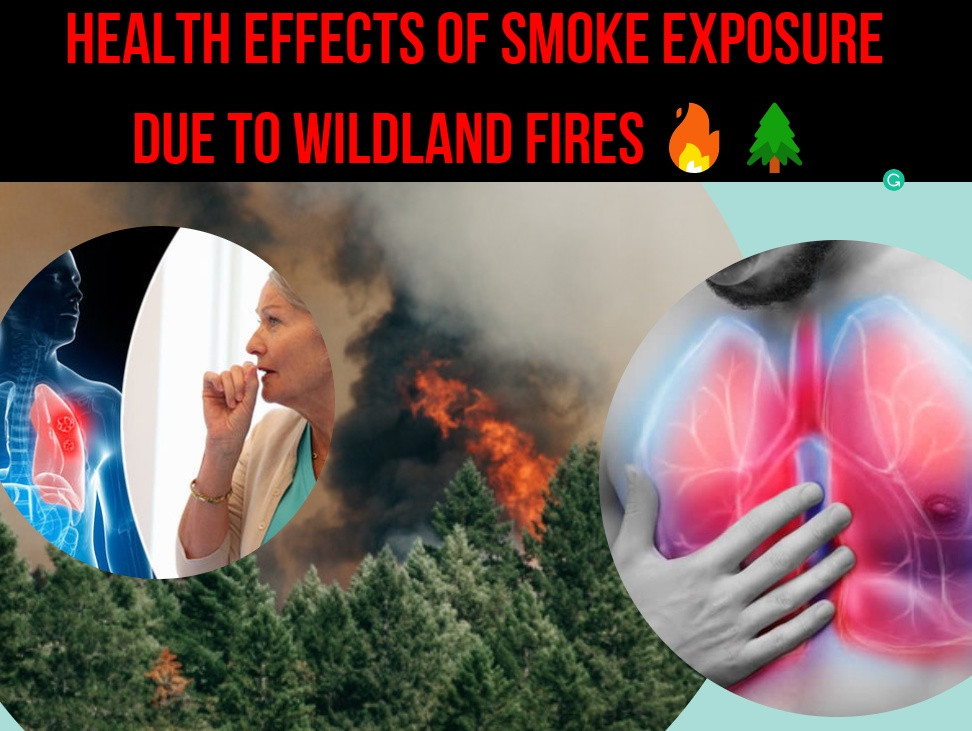

Wildfire smoke exposure has become an alarming public health concern, with recent studies revealing that just a few days of breathing polluted air can have health effects comparable to smoking seven cigarettes a day. As wildfires become more frequent due to rising temperatures and climate change, understanding the impact on air quality and health is crucial. Toxic pollutants, particularly PM2.5 particles, not only compromise lung function but can lead to strokes and other serious conditions, disproportionately impacting vulnerable populations like children and the elderly. It is essential to develop wildfire safety tips that can help families protect themselves from wildfire smoke, especially during peak seasons. Taking proactive measures to curb exposure is vital to maintaining health and well-being in an era of increasing wildfire activity.

The dangers associated with inhaling air contaminated by wildfires, often referred to as smoke inhalation, are more severe than many realize. The correlation between air pollution from wildfires and significant health risks highlights the urgency for individuals to understand how such environmental factors can compromise their health. Known for releasing harmful substances, wildfire emissions contain small particulate matter that can penetrate deep into the respiratory system, leading to adverse health outcomes. Tools and strategies aimed at mitigating these hazards are essential, as they offer guidance to enhance personal safety during wildfire events. By raising awareness around these topics, we can better equip ourselves and our communities to navigate the challenges posed by increasing wildfire occurrences and their associated health impacts.
| Key Point | Details |
|---|---|
| Exposure Effects | Breathing in outdoor air, especially during wildfire season, can be as harmful as smoking seven cigarettes daily. |
| Health Risks | Wildfire smoke exposure for over five days can lead to serious health issues including strokes and lung damage, particularly for vulnerable groups. |
| Pollution Sources | The pollutants from wildfires can be more harmful than those from cigarettes. Increased PM2.5 levels threaten health even indoors. |
| Protection Measures | Stay indoors and use HEPA filters, wear masks outdoors, and limit activities. |
| Mitigation Strategies | Combating global warming by reducing single-use plastics, adopting clean energy solutions, and using electric vehicles can lessen wildfire frequency. |
Summary
Wildfire smoke exposure poses serious health risks, comparable to smoking cigarettes. The research reveals that the harmful effects of wildfire smoke can be just as detrimental as traditional smoking, with implications for lung health, cardiovascular conditions, and other serious health issues. To mitigate these risks, it’s essential for individuals to stay informed and take protective measures, especially during wildfire periods.
Understanding the Health Effects of Wildfire Smoke Exposure
Wildfire smoke exposure can lead to severe health complications, drawing a parallel to the harmful effects of smoking. As soot and particulates infiltrate the air, they contribute significantly to air quality degradation. This is particularly worrying with respect to PM2.5 levels, which are tiny particulate matter that can penetrate deep into the lungs and cardiovascular system. Studies have shown that these fine particles can exacerbate chronic health conditions, resulting in increased hospital admissions and respiratory issues such as asthma. Moreover, the health impacts can linger long after the wildfires have extinguished, as the smoke continues to circulate and affect air quality.
The vulnerable populations, including children, the elderly, and individuals with preexisting health conditions, are especially susceptible to the adverse effects of wildfire smoke exposure. Research indicates that breathing in polluted air during fire season can result in serious diseases such as strokes and lung damage. The combination of high PM2.5 levels and toxins from burning materials creates a health crisis that may be more damaging than that of traditional smoking. Therefore, awareness of these health effects is crucial in promoting public health and safety during wildfire events.
Air Quality and Health: Why We Should Care
As air quality declines due to wildfires, it becomes imperative for us to grasp the direct correlation between air pollution and overall health. Poor air quality does not just affect those who live near wildfires; it can have far-reaching impacts that extend to urban areas hundreds of miles away. Epidemiological studies consistently reveal a strong link between deteriorating air quality and an increased incidence of health issues including cardiovascular disease, respiratory disorders, and even mental health challenges. Consequently, the community must prioritize air quality initiatives to safeguard public health.
Efforts to improve air quality demand collaborative action among governments, communities, and individuals. Implementing stricter regulations on emissions and enhancing urban planning strategies can mitigate air pollution levels. Furthermore, raising public awareness regarding air quality monitoring and providing educational resources on the health impacts associated with wildfire smoke exposure can empower individuals to take proactive measures in protecting their health. Together, we can work towards healthier living environments and mitigate the risks associated with poor air quality.
Protecting Against Wildfire Smoke: Essential Safety Tips
Protection from wildfire smoke is crucial for maintaining good health, especially during the peak fire season. One effective way to safeguard yourself is to remain indoors when air quality advisory alerts are issued. Utilizing HEPA filters can significantly improve your home environment by trapping harmful particulate matter and ensuring cleaner air to breathe. Additionally, it is advisable to limit physical activities outside to minimize inhalation of smoke particles when unavoidable outdoor exposure occurs.
Another important precaution is the use of masks that filter out particulate matter when venturing outside. Masks such as N95 or KN95 can provide a protective barrier, significantly reducing the inhalation of harmful PM2.5 particles. Moreover, preparing a personal emergency plan that includes essential supplies and access to real-time air quality updates can ensure you and your family are well-protected against the adverse effects of wildfire smoke exposure.
The Impact of PM2.5 on Our Health and Environment
PM2.5, or particulate matter with a diameter of less than 2.5 micrometers, poses a substantial threat to human health and the environment. Its minuscule size allows these particles to penetrate deep into lung tissue and enter the bloodstream, leading to serious health implications such as heart attacks, lung cancer, and premature death. The interaction between wildfire emissions and urban air pollution exacerbates the concentration of PM2.5, which can result in even more severe health challenges during wildfire season.
Addressing the impact of PM2.5 requires a multi-faceted approach, including public policies focused on reducing emissions from vehicles, industrial sources, and wildfires alike. Enhancing air quality monitoring systems to detect and predict PM2.5 levels can empower communities to take preventive action and minimize exposure. Public education campaigns that inform citizens about the dangers of PM2.5 and how to protect themselves are also critical in this battle against air pollution.
Combating Global Warming to Reduce Wildfire Frequency
Global warming significantly contributes to the increasing frequency and intensity of wildfires, as rising temperatures create ideal conditions for wildfires to thrive. Combating climate change can play a crucial role in mitigating wildfires and their associated health risks. Transitioning towards clean energy sources, such as solar and wind, and promoting energy efficiency in homes can help decrease greenhouse gas emissions and ultimately lower the risk of wildfires occurring.
Individuals can also contribute to this effort by making sustainable choices, such as using public transport, biking instead of driving, and reducing reliance on single-use plastics. Organic gardening, alongside community clean-up efforts to reduce combustible materials, can help decrease wildfire risks in local areas. Each small action can add up to substantial change, fostering a healthier environment that enhances air quality and public health.
Emergency Preparedness: Responding to Wildfire Alerts
Being prepared for wildfires is essential, particularly in regions prone to these disasters. Developing an emergency plan that includes evacuation routes, designated meeting points, and communication strategies is vital to ensure everyone’s safety. Additionally, it is crucial to gather emergency supplies, such as masks, bottled water, non-perishable food, and necessary medications, in advance, enabling a quick response if wildfires threaten your area.
Staying informed about local fire alerts and air quality reports can aid in timely decision-making during wildfire emergencies. Utilize technology to receive notifications on air quality and wildfire conditions to stay proactive. Engaging in community preparedness drills can promote awareness among neighbors, enhancing collective safety during fire crises. Preparedness is the first step in protecting citizens from the dangers of wildfire smoke exposure and associated health risks.
Long-Term Health Effects of Wildfire Smoke
The long-term health effects of wildfire smoke exposure are increasingly becoming a public concern, as the recent surge in wildfires raises alarms about chronic illnesses linked to air pollution. Studies have indicated that individuals frequently exposed to wildfire smoke may experience lingering respiratory issues and heightened risk of cardiovascular diseases, mirroring the health consequences faced by long-term smokers. Continuous inhalation of polluted air can result in inflammation of the lungs and increased vulnerability to infections, particularly among individuals with compromised immune systems.
Furthermore, the mental health implications of prolonged exposure to wildfire smoke are gaining recognition, particularly in areas affected by repeated wildfire seasons. Anxiety, depression, and other stress-related disorders may arise as individuals cope with the aftermath of fires and the fear of future outbreaks. The psychological impact of living in a wildfire-prone area, combined with aggravating air quality concerns, underscores the need for integrated health strategies that address both physical and mental health outcomes.
Policy Recommendations for Wildfire Management
Developing and implementing effective policies for wildfire management is crucial in reducing exposure to wildfire smoke and enhancing public health. These policies should focus on improving forest management through controlled burns and thinning of overgrown areas, which can help to prevent massive wildfires from occurring. Moreover, investment in firefighting resources and technology can facilitate rapid response to wildfires, ultimately limiting their spread and the associated health risks.
In addition to on-the-ground fire management strategies, it is vital for policymakers to prioritize air quality regulations that tackle emissions from industrial sources and transportation. Strengthening air quality standards will not only address emissions but also protect vulnerable communities that suffer the most from poor air quality during wildfire events. Collaborative approaches between local, state, and federal agencies are fundamental to implement comprehensive wildfire management plans that consider climate impact, public health, and environmental sustainability.
Community Involvement in Wildfire Prevention
Community involvement plays a pivotal role in wildfire prevention and mitigation efforts. Local groups can initiate programs that educate residents about the risks associated with wildfires and promote practices that help minimize fire hazards in their neighborhoods. Actions such as creating defensible spaces around homes, reducing flammable vegetation, and conducting wildfire preparedness workshops contribute to creating a well-informed and fire-resilient community.
Furthermore, community members should collaborate with local fire departments and environmental organizations to participate in tree-planting initiatives and other conservation activities. Not only do these efforts promote biodiversity, but they also contribute to improved air quality by absorbing CO2 and releasing oxygen. Engaging the community in these initiatives fosters a sense of responsibility and encourages collective action, ultimately leading to healthier environments and enhanced safety from wildfire hazards.
Frequently Asked Questions
What are the health effects of wildfire smoke exposure?
Wildfire smoke exposure can cause significant health effects, similar to smoking cigarettes. It can lead to respiratory issues, cardiovascular problems, and increased risk of strokes, especially for vulnerable populations such as children and the elderly. Continued exposure to high levels of PM2.5 from wildfire smoke can damage the lungs, heart, and blood vessels.
How does wildfire smoke affect air quality and health?
Wildfire smoke severely impacts air quality by increasing levels of PM2.5, which are tiny particles that can penetrate deep into the lungs and bloodstream. Poor air quality from wildfire smoke exposure is linked to a range of health issues including asthma, bronchitis, and other respiratory diseases, as well as long-term cardiovascular damage.
What are some effective ways to protect from wildfire smoke exposure?
To protect from wildfire smoke exposure, it is essential to stay indoors as much as possible, especially during high smoke events. Using HEPA air filters can help reduce indoor pollution. Wearing masks when outside and limiting strenuous activities are also effective measures to mitigate health risks associated with wildfire smoke.
What wildfire safety tips should I follow during smoke events?
During smoke events, follow these wildfire safety tips: keep windows and doors closed to prevent smoke from entering your home, use air conditioning with a clean filter to improve indoor air quality, and monitor local air quality reports. It’s also advisable to have supplies ready in case you need to evacuate or stay indoors for extended periods.
What is the impact of PM2.5 from wildfire smoke on health?
The impact of PM2.5 from wildfire smoke on health is significant. These fine particulate matters can cause respiratory inflammation, reduced lung function, and exacerbate existing health conditions. Long-term exposure to PM2.5 is also associated with cardiovascular diseases and increased mortality rates, underscoring the dangers of wildfire smoke exposure.