
We’ve Had 2 Months Without a Single New Company Buying Bitcoin: Examining the Lull
In an unexpected shift from the fervor that dominated financial headlines over the previous years, the past two months have seen a noticeable quiet in the corporate acquisition of Bitcoin. No new major companies have purchased the cryptocurrency, sparking a wave of speculation and concern among investors and analysts alike. Why has there been such a sudden silence, and what could this mean for the future of Bitcoin and the broader crypto market?

The Economic Climate
One key factor contributing to this pause could be the current economic climate. The past year has been marked by rising interest rates and increased regulatory scrutiny across several markets. Central banks, particularly the U.S. Federal Reserve, have initiated rate hikes to combat rising inflation, which has, in turn, increased the cost of borrowing. This shift tends to discourage the sort of speculative investment seen with assets like Bitcoin, which are considered risky.
Furthermore, the possibility of a looming recession has led many companies to conserve cash. Instead of investing in volatile assets, companies might be more focused on shoring up their balance sheets and investing in more stable, less risky assets.
Regulatory Uncertainty
Regulation plays a significant role in corporate decision-making, especially when it comes to a relatively new asset class like cryptocurrencies. In recent months, there has been an uptick in governmental scrutiny and unclear regulatory directions in key markets, including the United States and the European Union.
For instance, debates around how cryptocurrencies should be classified (as commodities, securities, or something else) influence corporate confidence in investing in them. Companies are likely waiting for clearer frameworks and guidelines to avoid future legal and financial repercussions that could arise from unforeseen regulatory actions.
Market Maturation and Sentiment Shift
Another angle to consider is the evolution of market sentiment towards Bitcoin. During the initial surge of corporate interest in cryptocurrencies, many companies may have been motivated by a fear of missing out (FOMO) on what was touted as the currency of the future. However, as the market matures and more data becomes available, companies are perhaps becoming more discerning and cautious in their investment approaches.
Moreover, the high volatility of Bitcoin—which was seen as a benefit during times of rapid growth—may now be viewed as a liability in a destabilized economic environment. The risk-reward ratio of investing corporate cash reserves into Bitcoin might no longer make sense for companies looking to avoid potential short-term financial distress.
The Bitcoin Network’s Energy Consumption Debate
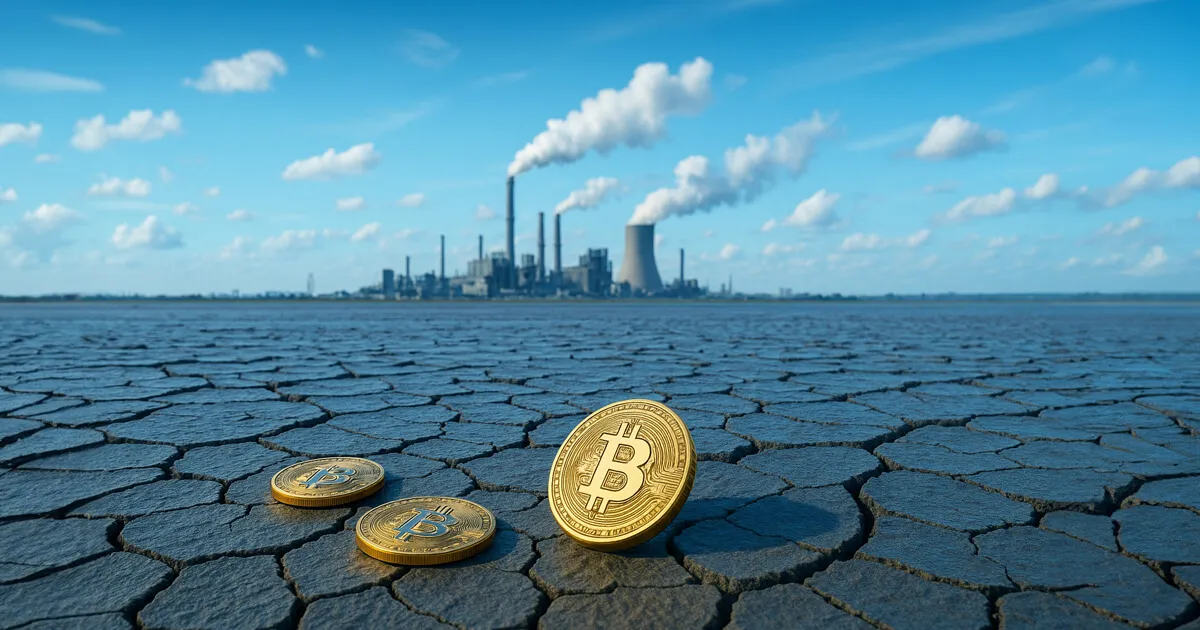
Environmental, Social, and Governance (ESG) criteria are becoming increasingly important to companies across all sectors. Bitcoin’s significant energy consumption and the associated carbon footprint have been widely criticized. Despite the growing interest in more sustainable blockchain technologies, the primary Bitcoin network still relies heavily on energy consumption models that are not aligned with most corporate sustainability goals.
Conclusion
The absence of new corporate players entering the Bitcoin space could be a moment of pause, a reflection of broader economic pressures, regulatory uncertainties, and a shift in market sentiment. While this doesn’t necessarily spell doom for Bitcoin, it implies that the cryptocurrency needs to navigate through several complex challenges to regain its appeal to corporate investors.
Understanding this lull is crucial for both investors and companies alike as it highlights the need for a cautious approach in a rapidly changing investment landscape. As the market conditions evolve, it will be interesting to see how and when new or existing corporations decide to engage with Bitcoin again. Will this quiet period lead to a stronger foundation for Bitcoin, or will it dampen corporate enthusiasm for cryptocurrencies permanently? These are the questions stakeholders are pondering as they watch this space closely.