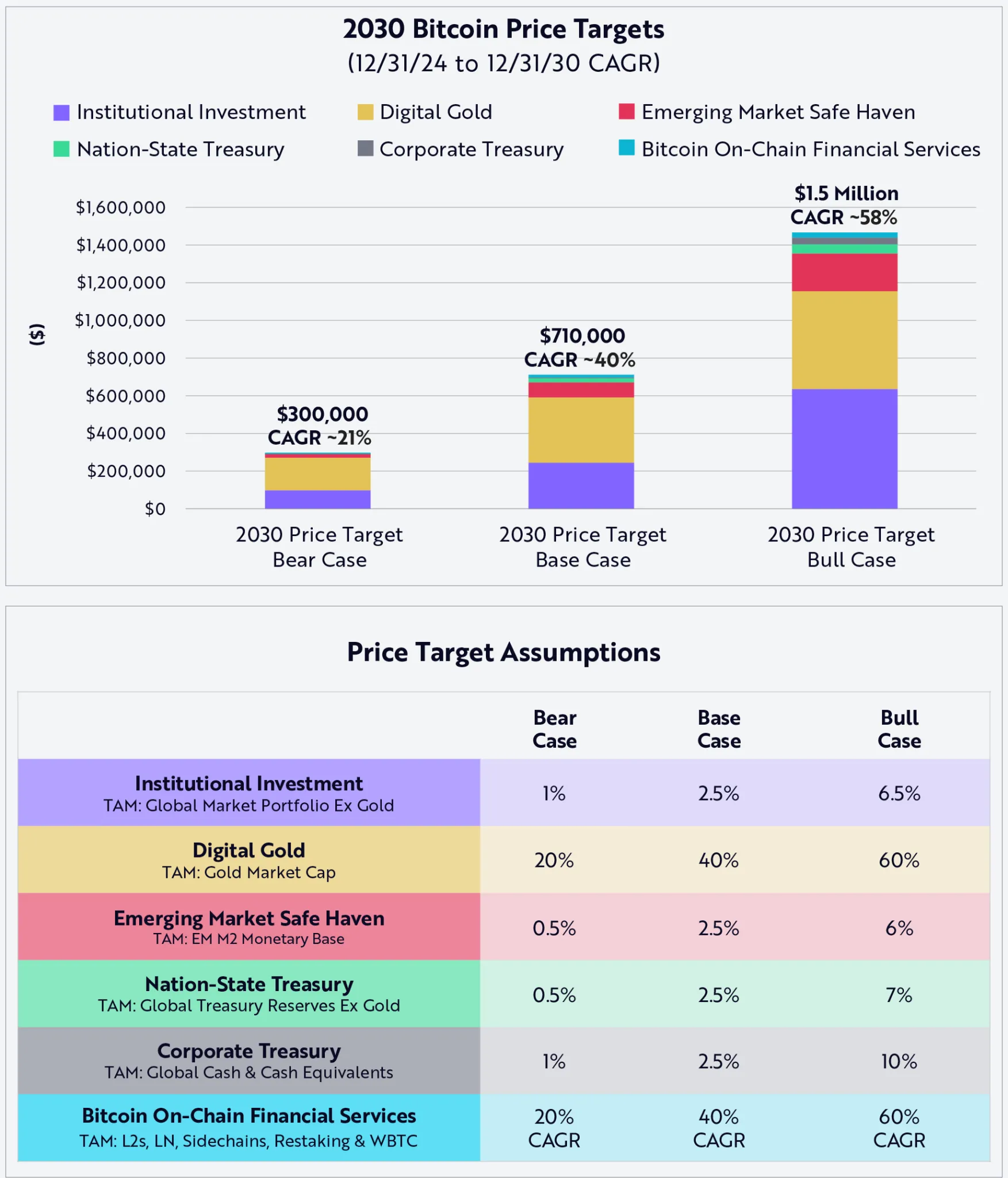

Why Are Market Experts Lowering Their Bullish Bitcoin Forecasts?
Over recent years, Bitcoin has proven to be volatile yet resilient, captivating the attention of investors worldwide. Market specialists, who once adopted a highly optimistic view of Bitcoin’s potential, projected exorbitant price targets. However, a shift has occurred recently, with many of these experts now revising their forecasts downward. Several compounding factors contribute to this recalibration, ranging from regulatory pressures and macroeconomic conditions to technological challenges and shifts in investor sentiment.
1. Regulatory Pressures
One of the most significant factors contributing to the tempered expectations around Bitcoin is the increase in regulatory scrutiny globally. Governments and financial authorities are becoming more cautious about the potential implications of cryptocurrencies, including risks related to money laundering, tax evasion, and financial stability. Major economies like the United States, China, and countries within the European Union have begun to establish frameworks or reinforce regulations that govern cryptocurrency transactions and holdings. This enhanced regulatory environment has created uncertainty, deterring institutional investors and shaking the confidence of retail traders alike, leading to more conservative price forecasts.
2. Macro Economic Conditions
The global economic landscape plays a crucial role in shaping the dynamics of investment in assets like Bitcoin. The tumult sparked by events such as the Covid-19 pandemic, geopolitical tensions, and shifts in monetary policies by key central banks impact cryptocurrencies directly and indirectly. For instance, the aggressive rate hikes by the Federal Reserve in an attempt to curb inflation have strengthened the U.S. dollar, making riskier assets like Bitcoin less attractive. Furthermore, during times of economic downturn or instability, investors tend to flock to safer assets, sidelining volatile investments like Bitcoin.
3. Technological Challenges and Scalability Issues
Bitcoin’s underlying technology, while innovative, faces significant challenges related to scalability and sustainability. The blockchain network suffers from limited transaction processing capacity and relatively high fees during peak usage. These technical bottlenecks not only hinder its adoption as a daily transactional currency but also raise concerns about its long-term viability as compared to newer, more efficient technologies. Efforts to upgrade the system, like the Taproot update, aim to address these issues, but the pace and adoption of such upgrades remain uncertain.
4. Shifts in Investor Sentiment
The sentiment in the cryptocurrency market is notoriously fickle. Investor enthusiasm can skyrocket, driving prices up, only to collapse due to panic selling in reaction to bad news or market jitters. As market participants become more sophisticated and cautious, the wild speculative swings that characterized much of Bitcoin’s early trading days are being replaced by more measured approaches. This normalization contributes to experts tempering their bullish forecasts as they factor in more realistic growth scenarios, which consider both potential gains and risks.
5. Competition from Other Cryptocurrencies
Bitcoin may be the original cryptocurrency, but it is no longer the only one. The emergence of numerous other cryptocurrencies, each with unique features and potential applications, has diluted Bitcoin’s dominance in the market. Innovations in areas like decentralized finance (DeFi) and non-fungible tokens (NFTs) are primarily taking place on alternative platforms such as Ethereum, drawing interest and capital away from Bitcoin. This shift has compelled experts to recalibrate their expectations for Bitcoin’s market share and price growth.
Conclusion
The recalibration of bullish forecasts for Bitcoin by market experts reflects a more nuanced understanding of the myriad factors that influence its value. It signals a maturation of the market with a clearer recognition of both the possibilities and limits of what Bitcoin can realistically achieve in the evolving landscape of global finance. Investors watching these trends will do well to stay informed and agile, ready to adjust their strategies in response to both risks and opportunities that emerge in the highly dynamic cryptocurrency market.
Related: More from Bitcoin News | Trump Family backs ABTC: Expands Mining Fleet 12% in Bitcoin | BTC Surges to $68K Amidst Market Downturn in Bitcoin