

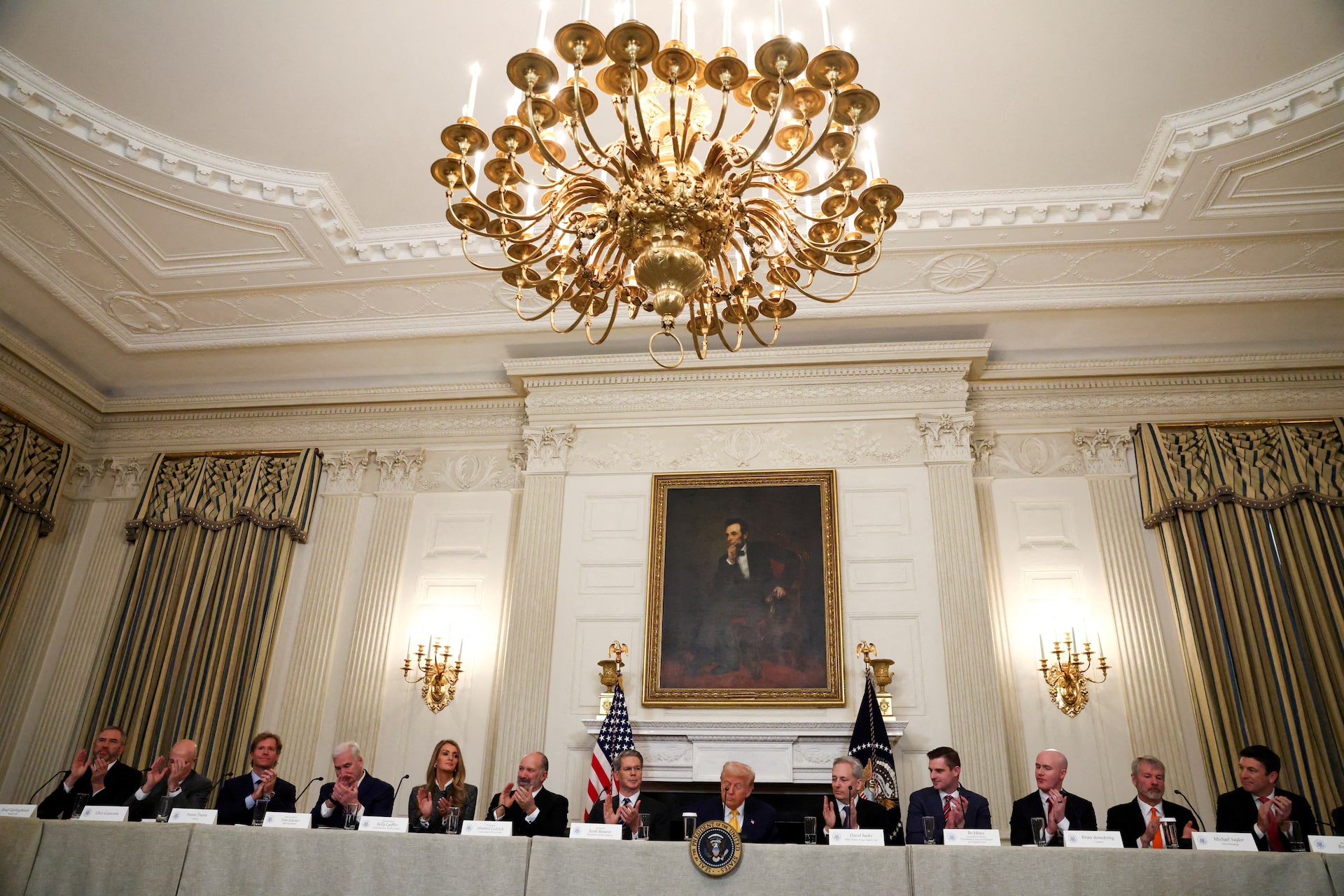

Next week’s White House crypto meeting is set to tackle the crucial topic of stablecoin yield, marking a pivotal moment for the cryptocurrency landscape in the United States. For the first time, senior representatives from major banks such as Bank of America and JPMorgan Chase will be present, paving the way for important discussions on cryptocurrency regulations and their implications. As the banking industry and crypto continue to intersect, these talks are essential for understanding the evolving crypto market structure. Many in the banking sector are wary of stablecoin yield, fearing that if crypto companies offer competitive interest rates, they might siphon off deposits, thereby influencing the broader financial ecosystem. This landmark meeting could set the stage for new policies that balance innovation in crypto with the stability desired by traditional finance.

The upcoming discussions at the White House concerning digital currency policies are anticipated to reshape the future of the financial sector. With a focus on issues related to digital currencies and interest payments associated with them, this gathering marks a crucial juncture as representatives from prominent banking institutions prepare to engage with policymakers. The increasing convergence of traditional banking and cryptocurrency businesses raises key questions about regulatory frameworks and potential market impacts. As stakeholders emphasize the importance of addressing the influences of yield offerings on deposit stability, a consensus on these matters could significantly alter the landscape for both banking entities and digital assets. This critical convergence, defined by discussions on cryptocurrency frameworks, is needed to foster a competitive yet stable environment.
| Key Points | Details |
|---|---|
| Meeting Date | Next Tuesday, February 13, 2026 |
| Focus Topic | Stablecoin yield discussions |
| Participants | Senior officials from several banks, including Bank of America, JPMorgan Chase, and Wells Fargo |
| Objective | Address concerns over stablecoin yields and their impact on traditional banking deposits |
| Bank Concerns | Banks fear high-yield stablecoin interest could divert deposits from traditional banking |
| Crypto Company Position | Worry that restrictions on stablecoin yields may limit competition and innovation |
| Legislative Context | Related to the advancement of the Cryptocurrency Market Structure Bill (CLARITY Act) |
Summary
The upcoming White House crypto meeting is set to address critical issues surrounding stablecoin yield, marking a significant moment as bank representatives are participating for the first time. This meeting underscores the delicate balance between fostering innovation in the cryptocurrency sector and safeguarding traditional banking interests. As major financial institutions express concerns about the implications of high-yield stablecoin offerings, the discussion will likely focus on regulatory frameworks that could influence both the banking landscape and the future of cryptocurrency. The outcome of this meeting could be pivotal in shaping the relationship between financial services and digital currencies.
Overview of the White House Crypto Meeting
Next week’s highly anticipated White House crypto meeting is set to bring together key stakeholders in the cryptocurrency space, primarily focusing on the implications of stablecoin yields. This gathering represents a significant shift as it marks the first attendance of bank representatives from major financial institutions. With rising interest in cryptocurrency regulations and how they affect the market, this meeting aims to facilitate dialogue between regulators and the banking industry on how to approach the evolving crypto landscape effectively.
The relevance of stablecoin yields cannot be understated, especially as these yield options are attracting attention from both consumers and financial institutions. As the crypto market continues to structure itself within traditional banking contexts, the discussions at the White House are pivotal in addressing the concerns of banks regarding deposit volatility linked to high-yield stablecoin accounts. This interaction could lead to changes in how cryptocurrency regulations are enforced, particularly regarding the relationship between banks and crypto companies.
The Role of Banking Industry Representatives
The participation of representatives from major banks like Bank of America, JPMorgan Chase, and Wells Fargo highlights a critical engagement between the traditional banking system and the rapidly evolving world of cryptocurrencies. These bank officials are expected to articulate concerns about stablecoin yield practices that could siphon deposits away from traditional savings and investment avenues. Given their influence, these discussions might shape future policies and lead to a clearer understanding of the banking industry’s stance on Bitcoin and other cryptocurrencies.
In addition to addressing concerns about yield competition, the bank representatives at the White House meeting will likely bring forward viewpoints on how stablecoin regulations could shape the market structure of cryptocurrencies. By seeking to clarify their roles within this new landscape, banks aim to protect their interests while fostering a stable environment for regulated crypto growth. The outcome of these discussions could inform future legislative efforts, especially those linked to the CLARITY Act and its implications for the intersection of banking and cryptocurrency.
Concerns About Stablecoin Yields
The ongoing discourse surrounding stablecoin yields reveals a divide between crypto companies that advocate for yield payment options and traditional banks that fear potential destabilization in the deposit market. Banks want to prevent a scenario where competitive yields attract deposits away from their financial products. This fear could stifle innovation within the crypto sector, limiting opportunities for growth and the exploration of new financial mechanisms. Industry experts believe that a refusal to allow stablecoin yield could lead to a more rigid and less competitive ecosystem.
Scott Beardsley’s recent comments emphasize the banking industry’s apprehensions about deposit volatility and its broader implications. By prioritizing stability, banks might inadvertently create barriers to competition, which has historically driven innovation in finance. Striking a balance between ensuring financial stability and fostering innovation will be crucial as discussions continue at the White House meeting, and may give rise to new regulatory frameworks that accommodate both banks’ concerns and the growth of the cryptocurrency sector.
Navigating Cryptocurrency Regulations
The discussions at the White House crypto meeting play a significant role in advancing cryptocurrency regulations, particularly as they relate to stablecoins. The balance of regulatory oversight and the need for innovation will be at the forefront of the agenda. The push for the Cryptocurrency Market Structure Bill, also known as the CLARITY Act, aims to provide a comprehensive framework that addresses both investor protection and the operational needs of crypto companies.
As regulatory clarity becomes a pressing issue, stakeholders from the banking sector and cryptocurrency businesses will need to engage in constructive dialogue. The potential for legislation to shape the market structure of cryptocurrencies is vast, but it hinges on the ability of these diverse groups to find common ground. The outcomes of next week’s meeting may set crucial precedents for how crypto regulations unfold in the United States, impacting how stablecoins and traditional banking interact.
Impact of the Cryptocurrency Market Structure Bill
The Cryptocurrency Market Structure Bill, more colloquially known as the CLARITY Act, seeks to establish a regulatory environment that accommodates the unique characteristics of cryptocurrencies while ensuring consumer protection. As the White House meeting advances discussions surrounding these topics, participants will be tasked with determining how best to manage stablecoin operations within this framework. The stakeholders’ input, particularly from banking representatives, will be instrumental in fine-tuning the bill’s provisions.
This upcoming meeting is not just a gathering of industry officials, but a pivotal moment for the future of cryptocurrency regulations in the U.S. By incorporating insights from various sectors, the potential for a well-rounded and adaptive market structure increases significantly. The priorities established at this meeting could affect everything from investor trust in cryptocurrencies to how readily financial institutions embrace crypto products, thereby impacting the broader landscape of digital finance.
Balancing Innovation and Stability in Crypto
The crux of the ongoing debates surrounding stablecoin yields lies in the tension between innovation and financial stability. As banks express concerns regarding potential deposit volatility, discussions at the White House meeting will address how to innovate within the cryptocurrency market while simultaneously fostering a sound financial system. Striking a balance that allows for the growth of the crypto sector without jeopardizing established financial protocols is a challenge that regulators must tackle.
The implications of this balance are far-reaching. Allowing stablecoin yields might empower consumers by providing them with better interest options, which could lead to further investment in digital assets. Conversely, too much disruption could lead to instability in traditional banking systems. The insights gathered from bank representatives during the White House crypto meeting could shape policies that promote a harmonious coexistence of banking and cryptocurrency, ensuring that both innovation and stability are prioritized.
The Future of Stablecoins and Banking Relations
The future of stablecoins is inextricably linked to the evolving relationship between the banking sector and cryptocurrency markets. As banks begin to participate more actively in discussions around stablecoin yields, the potential for collaborative solutions emerges. The insights shared during next week’s White House meeting could pave the way for more integrated approaches where banks recognize the benefits of stablecoins alongside consumer protections.
This engagement may lead to new financial products built on stablecoins or allow for a more flexible framework that encompasses both traditional and digital currencies. The overarching goal will be to ensure that all stakeholders can benefit from the growth of the crypto landscape while safeguarding the integrity of the banking system. How effectively both sectors can work together and compromise will shape the future dynamics of stablecoins and their role in finance.
Potential Outcomes from the White House Crypto Meeting
Anticipation is building regarding the potential outcomes of the White House crypto meeting, particularly as various stakeholders come together to express their concerns and aspirations for the future of stablecoins. Given the participation of significant banking representatives alongside seasoned policymakers, this meeting could foster an atmosphere ripe for meaningful discussions. The outcomes may influence the trajectory of cryptocurrency regulations and stablecoin yield practices at a national level.
Participants are expected to leave the meeting with a clearer understanding of each side’s perspectives, which may lead to preliminary agreements or frameworks for future regulation. As regulators consider how to oversee the rapidly growing crypto market and its associated products, the dialogue initiated at this meeting will be paramount for crafting laws that meet the needs of both the banking industry and crypto innovators.
Enhancing Consumer Protection and Financial Integrity
Consumer protection remains at the forefront of discussions surrounding stablecoin yields, as the White House meeting seeks to ensure that any emerging regulations will safeguard users against potential risks associated with these digital assets. The involvement of traditional banks in these discussions is a crucial factor in enhancing protections for consumers, particularly in relation to the payment of high yields that could impact financial stability.
With insights from different stakeholders, including bank representatives, this meeting is poised to address the essential balance between offering attractive yields for stablecoins and maintaining the overall integrity of the financial system. Advancing appropriate regulations will ensure that consumer interests are met without sacrificing stability, marking a significant step toward a more robust and secure financial environment.
Frequently Asked Questions
What will be discussed at the White House crypto meeting regarding stablecoin yield?
The upcoming White House crypto meeting will primarily focus on stablecoin yield. This discussion aims to address concerns raised by bank representatives about the effects of high-yield stablecoin accounts on deposits and the banking industry.
Who will attend the White House crypto meeting on stablecoin yield?
The White House crypto meeting will feature senior policy officials from several major banks for the first time. Notable attendees include representatives from Bank of America, JPMorgan Chase, and Wells Fargo, along with organizations like the Bank Policy Institute and the American Bankers Association.
How might the outcomes of the White House crypto meeting influence cryptocurrency regulations?
The discussions at the White House crypto meeting could significantly shape cryptocurrency regulations, particularly concerning stablecoin yield. The meeting aims to balance the interests of the banking industry and crypto market structure, potentially impacting the future of regulatory approaches to stablecoin interest payments.
What are the concerns of bank representatives attending the White House crypto meeting?
Bank representatives attending the White House crypto meeting are concerned that allowing crypto companies to pay high yields on stablecoins could lead to deposit volatility. They fear this could attract deposits away from traditional banks and negatively impact the availability of loan funds.
How does the White House crypto meeting relate to the Cryptocurrency Market Structure Bill?
The White House crypto meeting is connected to the efforts to advance the Cryptocurrency Market Structure Bill, also known as the CLARITY Act. The aim is to create a consensus among financial stakeholders by the end of the month, addressing the regulatory framework for cryptocurrencies and stablecoins.
What stance do crypto companies take on stablecoin yield at the White House meeting?
Crypto companies contend that restrictions on stablecoin yield payments could hinder competition and stifle innovation in the industry. They argue that offering high yields is essential for attracting users and fostering a vibrant crypto market.
What implications could the White House crypto meeting have for the banking industry and crypto relationship?
The White House crypto meeting may redefine the relationship between the banking industry and cryptocurrency. By discussing stablecoin yield and potential regulations, it could lead to a more cooperative approach, balancing innovation in fintech with traditional banking stability.