
Headline: China Pauses Export Curbs on Critical Chip Metals Through 2026

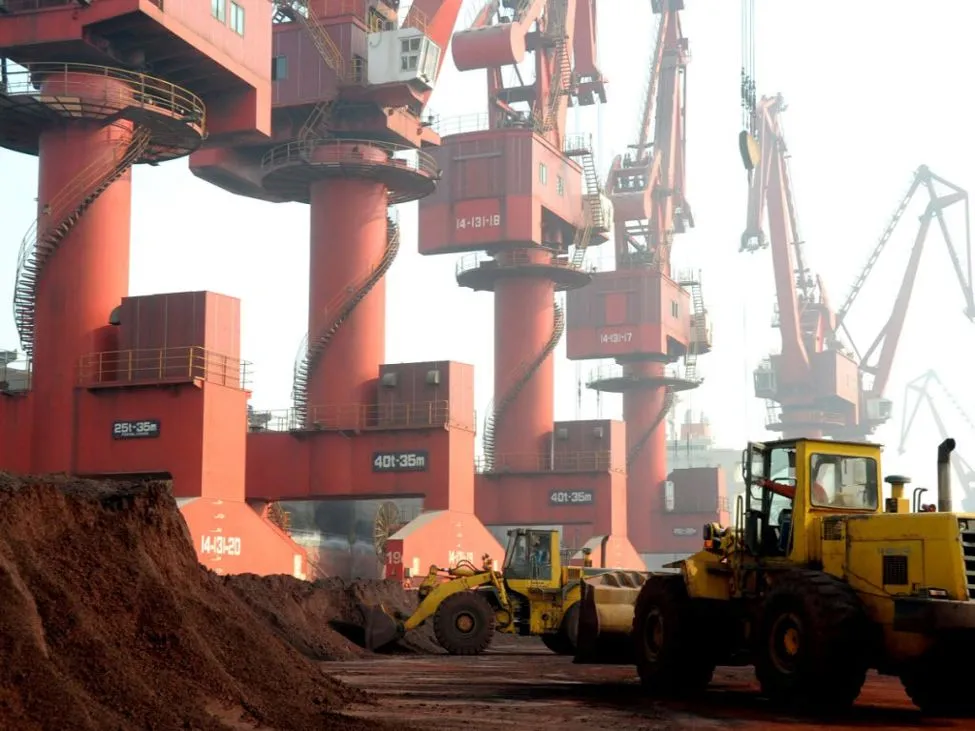
China has temporarily lifted key export restrictions on strategic minerals essential to the semiconductor supply chain and defense technology, easing a year-long clampdown that primarily affected shipments to the United States. The move offers near-term relief to global manufacturers reliant on these inputs and may signal a modest thaw in U.S.-China trade tensions.
Beijing’s Ministry of Commerce said it will temporarily suspend its ban on approving exports of certain dual-use items tied to gallium, germanium, antimony, and super-hard materials, effective immediately and running through November 27, 2026. The government also paused stricter end-user and end-use checks on dual-use graphite exports to the U.S., measures originally introduced with China’s December 2024 national security-driven controls.
The announcement follows a similar step late last week, when China suspended additional export restrictions introduced in October on select rare earth elements and lithium battery materials. These critical minerals underpin semiconductor manufacturing, military electronics, renewable energy systems, and electric vehicles. The policy shift could ease supply pressures for chipmakers and defense contractors, and early market reaction was constructive as futures edged higher on expectations of improved material flows. For electronics and payments hardware providers, more predictable access to gallium, germanium, and graphite may help stabilize component costs and lead times.
Key Points: – China suspended approval restrictions on dual-use items related to gallium, germanium, antimony, and super-hard materials. – The suspension takes effect immediately and runs until November 27, 2026. – Stricter end-user and end-use checks on dual-use graphite exports to the U.S. are also paused. – The original export controls were imposed in December 2024 citing national security. – A related suspension last week covered certain rare earths and lithium battery materials. – Easing controls may relieve supply risks for semiconductors, defense tech, and renewable energy industries while tempering U.S.-China trade friction.