


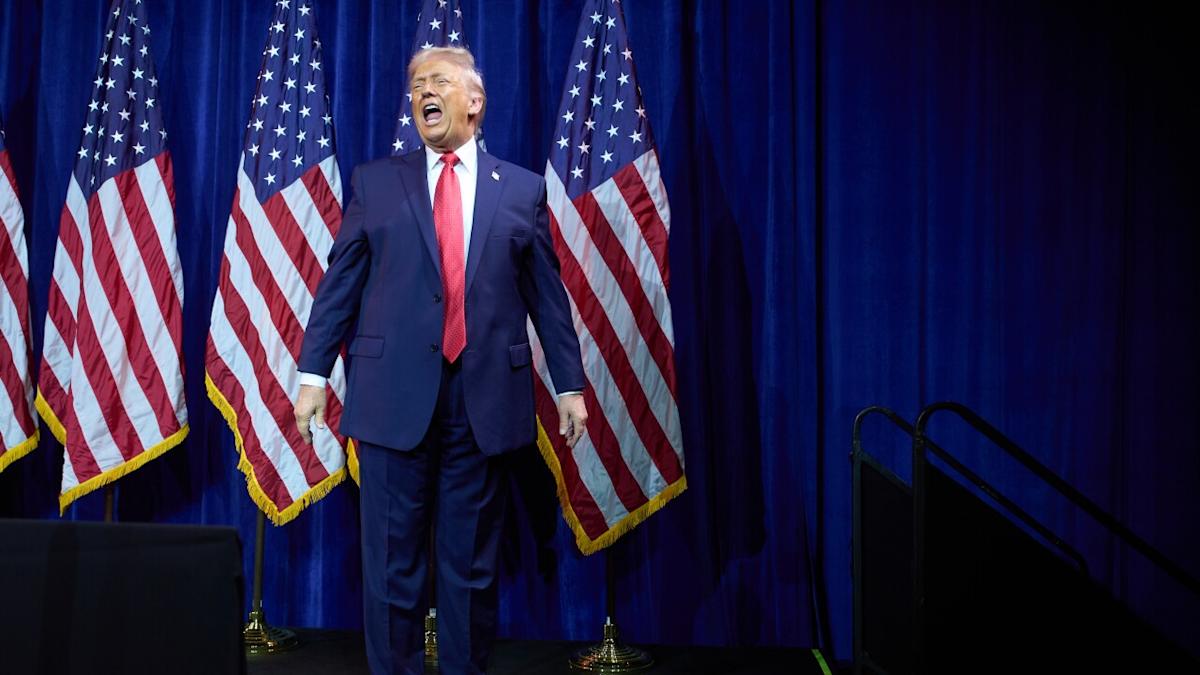

The War Powers Resolution has become a pivotal discussion point in American politics, particularly following the recent U.S. Senate vote on military action concerning Venezuela. On January 8, 2026, the Senate voted 52 to 47 in favor of a resolution that restricts President Trump’s authority to engage in military interventions. This legislative move highlights growing concerns about U.S. foreign policy and its implications for conflicts abroad. With tensions escalating, especially in Venezuela, lawmakers are increasingly asserting their role in decisions traditionally reserved for the executive branch. As military action remains a contentious issue, the War Powers Resolution serves as a critical framework guiding the balance of power between Congress and the presidency.

The recent Senate-approved legislative measure limiting military engagement in Venezuela reflects a broader trend in congressional oversight of military actions. This development underscores the intricate dynamics of U.S. foreign affairs, where legislative bodies like the Senate increasingly engage in decisions regarding military interventions. The ongoing Venezuela military conflict has prompted lawmakers to scrutinize the implications of such involvement, particularly in light of President Trump’s previous military strategies. As debates on military authority intensify, this resolution marks a significant shift in the dialogue surrounding the governance of American military power abroad. The interplay between the Senate and the presidency will undoubtedly shape the future of U.S. military operations and international relations.
The War Powers Resolution: A Check on Presidential Authority
The War Powers Resolution is a vital legislative framework that restricts the ability of the President to unilaterally engage in military conflict without congressional approval. This resolution was invoked by the U.S. Senate on January 8, 2026, in a decisive vote aimed at curbing President Trump’s capacity to initiate military action in Venezuela. The significance of this resolution is underscored by the ongoing debates surrounding U.S. foreign policy and military strategy, especially regarding regions marked by instability like South America.
By passing the War Powers Resolution, the Senate not only showcased its role in the checks and balances system but also responded to concerns about escalation in Venezuela. The conflict in Venezuela, marked by political turmoil and humanitarian crises, has led to fears of a broader involvement of U.S. military forces in the region. Limiting presidential military powers through this resolution reflects an important legislative effort to prioritize diplomatic solutions and prevent unnecessary military escalations.
Frequently Asked Questions
What is the War Powers Resolution and how does it relate to U.S. foreign policy?
The War Powers Resolution is a federal law that aims to limit the President’s ability to engage U.S. armed forces in hostilities without congressional approval. It requires the President to consult with Congress before military actions are taken, thereby ensuring checks and balances in U.S. foreign policy.
How did the War Powers Resolution affect Trump’s military action in Venezuela?
The recent passage of the War Powers Resolution by the U.S. Senate explicitly restricts Trump’s ability to initiate or escalate military action against Venezuela, reflecting a significant step in congressional oversight over military decisions.
What voting outcome did the Senate achieve for the War Powers Resolution concerning military actions in Venezuela?
The U.S. Senate passed the War Powers Resolution by a narrow vote of 52 to 47, indicating a divided opinion on how to approach military engagements in Venezuela.
Why is the Senate vote on military action significant in the context of U.S. foreign policy?
The Senate vote on the War Powers Resolution highlights a critical debate on U.S. foreign policy, emphasizing the role of Congress in approving military action and ensuring that decisions are made with broader consensus.
What implications does the War Powers Resolution have on future military conflicts involving the U.S.?
The War Powers Resolution sets a precedent for future military conflicts by reinforcing the necessity for presidential accountability to Congress, influencing how U.S. military involvement may be approached in situations such as the Venezuela military conflict.
| Key Point | Details |
|---|---|
| Date of Passage | January 8, 2026 |
| Vote Outcome | 52 to 47 |
| Legislation Title | War Powers Resolution |
| Purpose | To limit President Trump’s ability to take military action against Venezuela |
Summary
The War Powers Resolution is a significant legislative measure aimed at restricting the President’s ability to engage in military action without congressional approval. On January 8, 2026, the U.S. Senate passed this resolution with a narrow vote of 52 to 47, specifically targeting President Trump’s capabilities regarding military interventions in Venezuela. This development underscores the ongoing debate about the balance of power between Congress and the Executive branch in matters of war.
Related: More from Regulation & Policy | EU Crypto Taxes: Practical Implications Explained | UK FCA to Consider Cryptos for Gambling Payments